Our Services > Package Tours > North, Central and West India
Mumbai · Ahmedabad · Little Rann of Kutch · Bhuj · Gondal · Sasan Gir · Diu · Mumbai
14 Nights/ 15 DaysPrivate tour with car & driverAsiatic lions & wild assCrafts of Kutch
A journey through the colours, crafts and wildlife of Gujarat. Begin in Mumbai with the Elephanta Caves and a city tour, then fly to Ahmedabad to walk the lanes of India’s first World Heritage City and visit the Gandhi Ashram, then see the great stepwell of Rani ki Vav in Patan and the Sun Temple of Modhera. Look for the wild ass and flocks of flamingos in the Little Rann of Kutch, and meet the embroiderers, printers and painters of the craft villages of Kutch, with a sunset over the White Rann.
Stay in a royal guest house in Gondal, visit the monuments of Junagadh, and track the last Asiatic lions in Gir National Park, before relaxing on the Portuguese island of Diu and flying back to Mumbai. Every tour is private and can be tailored to your dates, hotels and interests.
Tour highlights
The Elephanta Caves and a city tour of Mumbai
The heritage walk, Gandhi Ashram and Adalaj stepwell, Ahmedabad
Rani ki Vav stepwell in Patan and the Sun Temple of Modhera
Jeep safaris among the wild ass of the Little Rann of Kutch
The craft villages of Kutch and sunset over the White Rann
A royal stay and vintage cars in Gondal
Lion safaris in Gir National Park
The Portuguese churches, fort and beaches of Diu
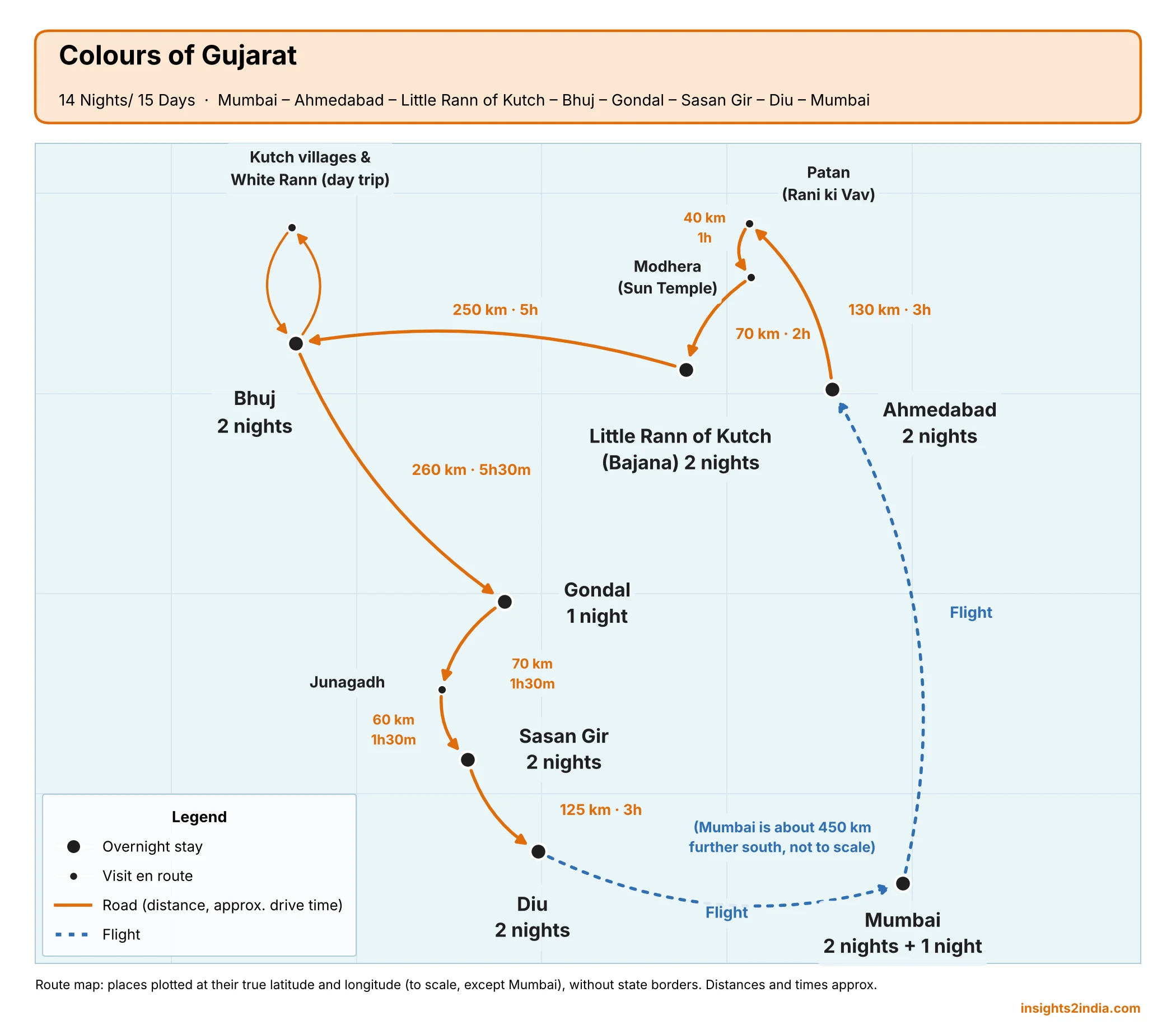
Route Map (click to enlarge)
Day-by-day itinerary
Day 1
Arrive Mumbai
Welcome to India! On arrival at Mumbai airport, our representative meets you and escorts you to your hotel. The rest of the day is free to relax after your journey.
Mumbai is the commercial capital of India, a fast-paced, cosmopolitan city on the shores of the Arabian Sea.
Overnight: MumbaiIncludes: airport transferPlease note: this tour runs from mid-October to mid-June, when Gir National Park and the Little Rann of Kutch Sanctuary are open, and works best arriving on any day except a Saturday or Sunday, so that the Elephanta Caves and Akshardham in Gandhinagar (both closed on Mondays) are open on the days we visit
Day 2
Mumbai – Elephanta Caves and city tour
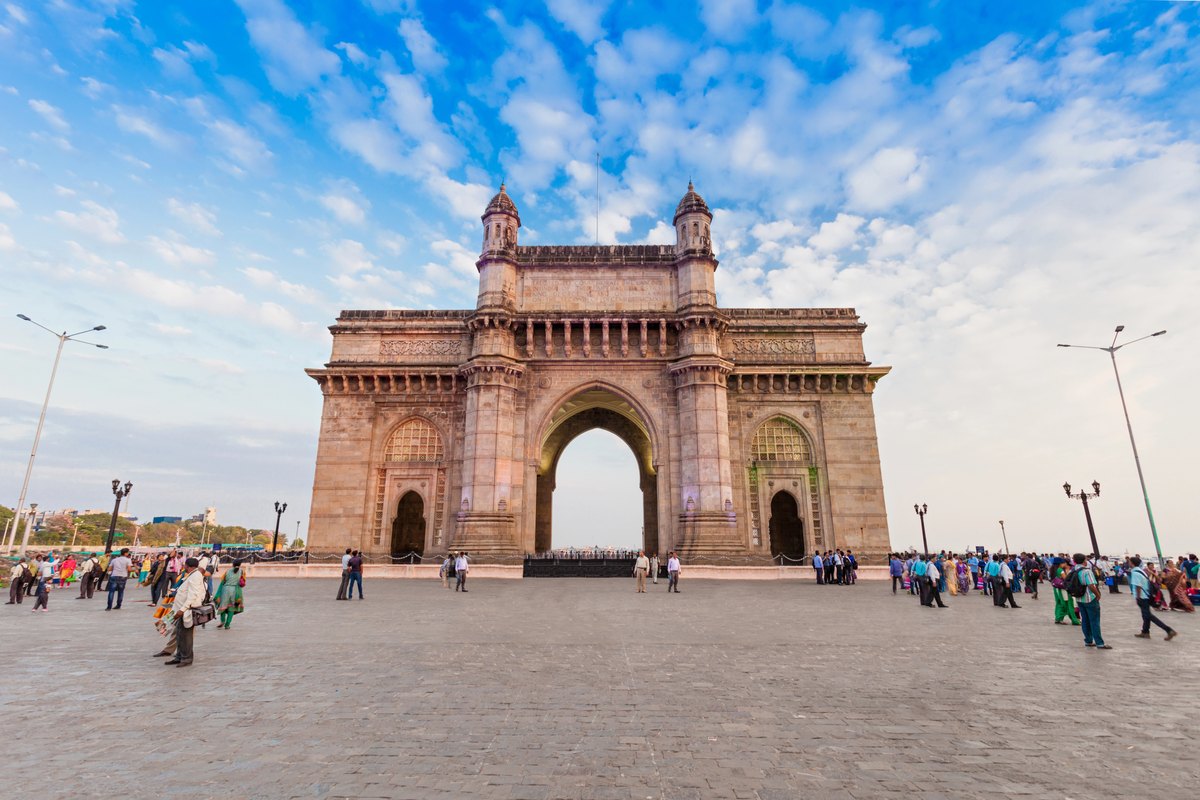
Photo: gateway-of-india-mumbai.jpg
Gateway of India, Mumbai
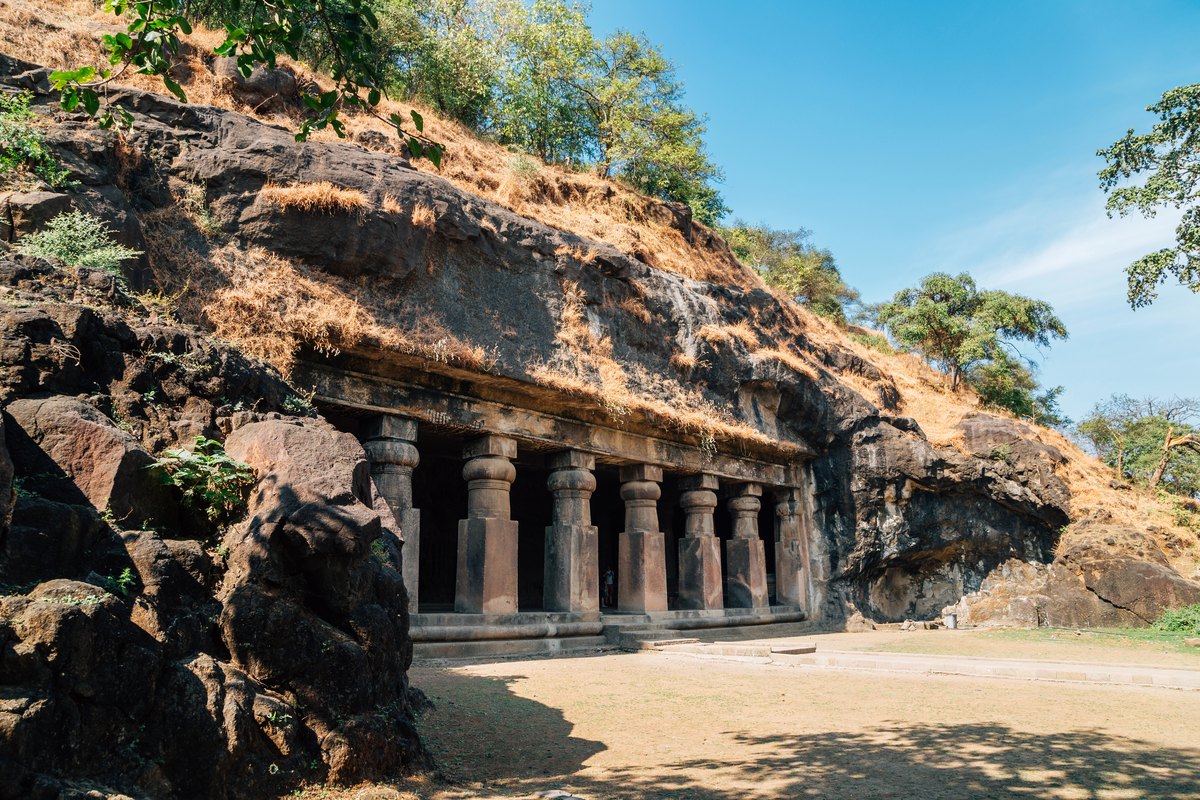
Photo: elephanta-caves-mumbai.jpg
Elephanta Caves, Mumbai
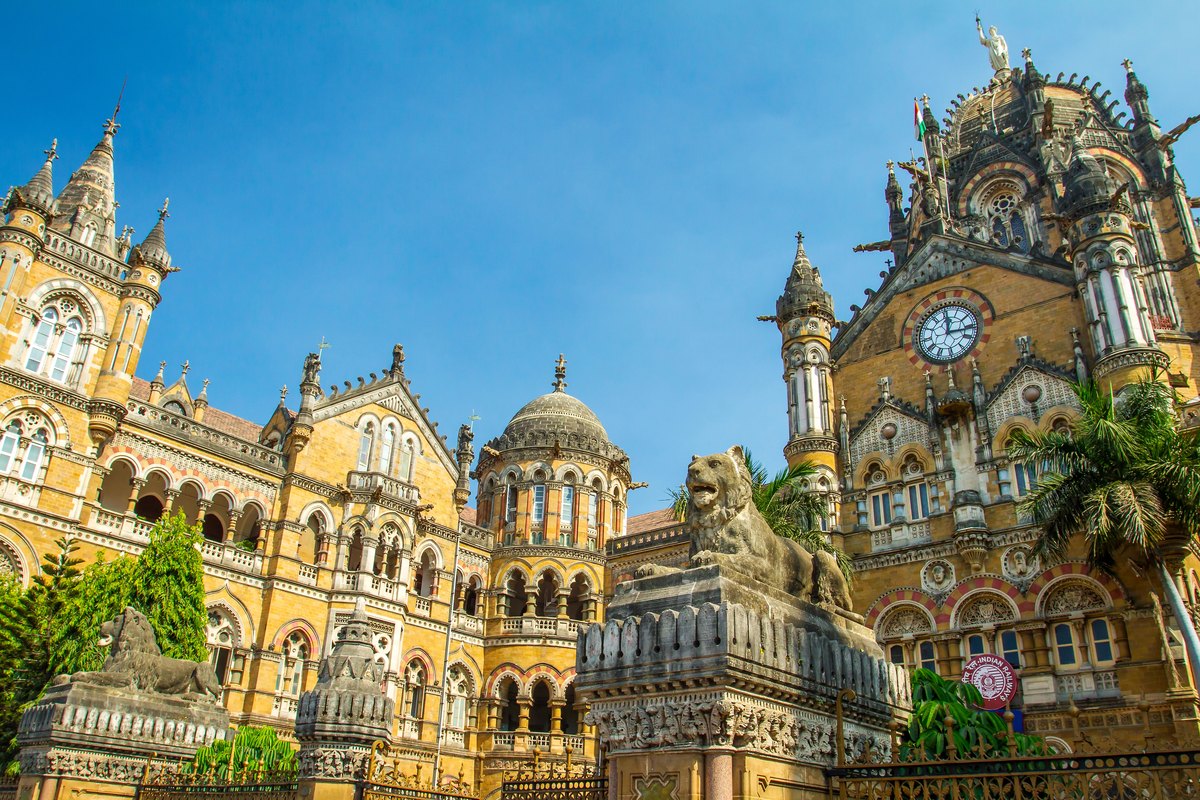
Photo: chhatrapati-shivaji-terminus-mumbai.jpg
Chhatrapati Shivaji Terminus, Mumbai
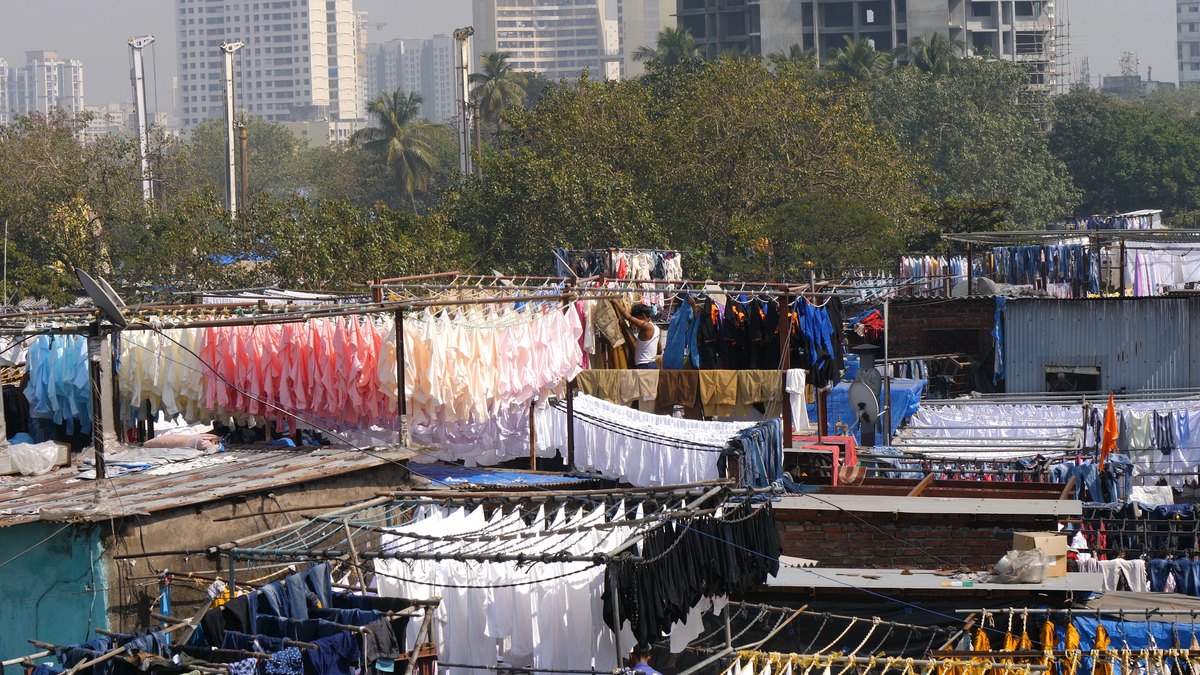
Photo: dhobi-ghat-mumbai.jpg
Dhobi Ghat, Mumbai
Visit the Gateway of India, built to commemorate the visit of King George V and Queen Mary to India in 1911.
Later, visit the Elephanta Caves (about 4 hours), on an island about an hour by boat from the Gateway of India. The temple cave on Elephanta Island, dedicated to Lord Shiva, was probably excavated during the 8th century. A climb of about 125 sloping steps leads to the main entrance. The main hall has pillars in a cruciform pattern, and its wall panels depict Shiva in many forms – as Bhairava, Nataraja, Yogi and Ardhanarisvara, the magnificent triple-headed Shiva, and the marriage of Shiva and Parvati.
In the afternoon, set out on a city tour (3–4 hours). Drive past the High Court, Mumbai University and the Rajabai Clock Tower. Visit the Prince of Wales Museum (Chhatrapati Shivaji Maharaj Vastu Sangrahalaya), which houses a priceless collection of art, sculpture, china and other antiques. Make a photo stop at Victoria Terminus (Chhatrapati Shivaji Terminus), and if traffic permits, a short visit to Crawford Market, designed by British architect William Emerson as an early blend of Victorian Gothic architecture with Indian elements. Drive along Marine Drive, past Chowpatty Beach and Malabar Hill, and visit Mani Bhavan, the old Mumbai home of Mahatma Gandhi, which showcases well-preserved memorabilia, including the charkha (spinning wheel) he used. End with a photo stop at Dhobi Ghat, the city’s vast open-air laundry.
Overnight: MumbaiIncludes: guide, ferry to Elephanta, entrance fees
Day 3
Mumbai to Ahmedabad by flight
Morning at leisure. Later, transfer to the airport for your flight to Ahmedabad. On arrival, you are met and transferred to your hotel. The rest of the day is at leisure.
Founded on the banks of the Sabarmati river by Sultan Ahmed Shah in 1411, Ahmedabad is a treasure house of tradition, history and culture. It thrived as a great textile centre and was nicknamed the “Manchester of the East”. Its walled city, India’s first UNESCO World Heritage City, is a maze of lanes called pols, lined with carved wooden havelis, while its mosques and Jain temples blend Hindu and Islamic styles of architecture. The city is also home to modern buildings by the architects Le Corbusier and Louis Kahn.
Overnight: AhmedabadIncludes: airport transfers
Day 4
Ahmedabad – heritage walk, Gandhi Ashram and Adalaj stepwell
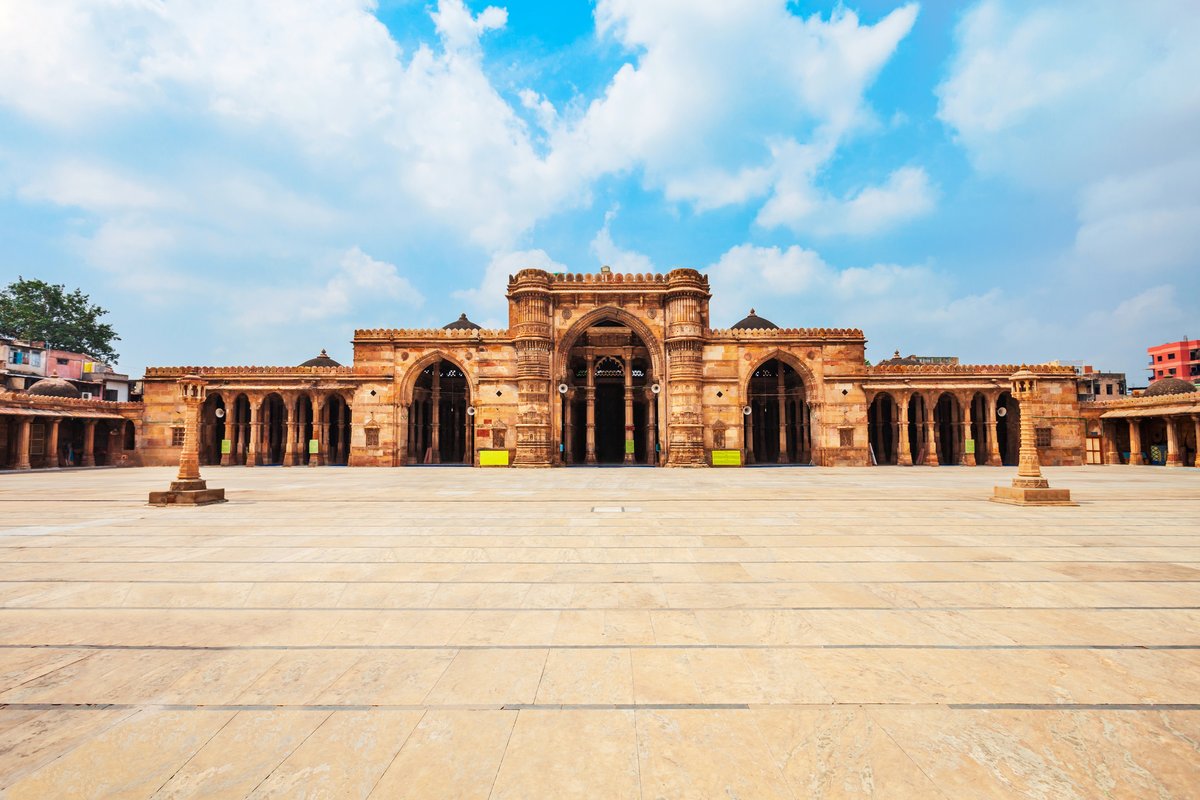
Photo: jama-masjid-ahmedabad.jpg
Jama Masjid, Ahmedabad
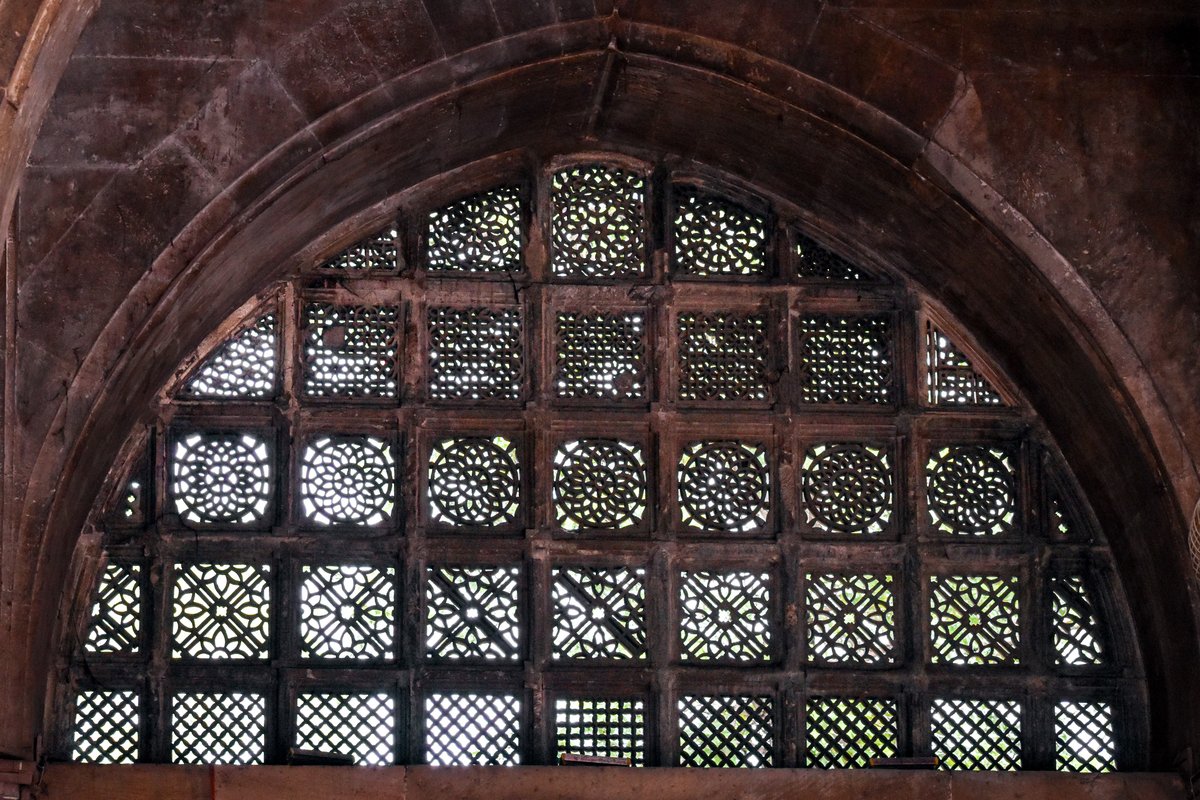
Photo: sidi-saiyyed-mosque-jali-ahmedabad.jpg
Sidi Saiyyed Mosque, Ahmedabad
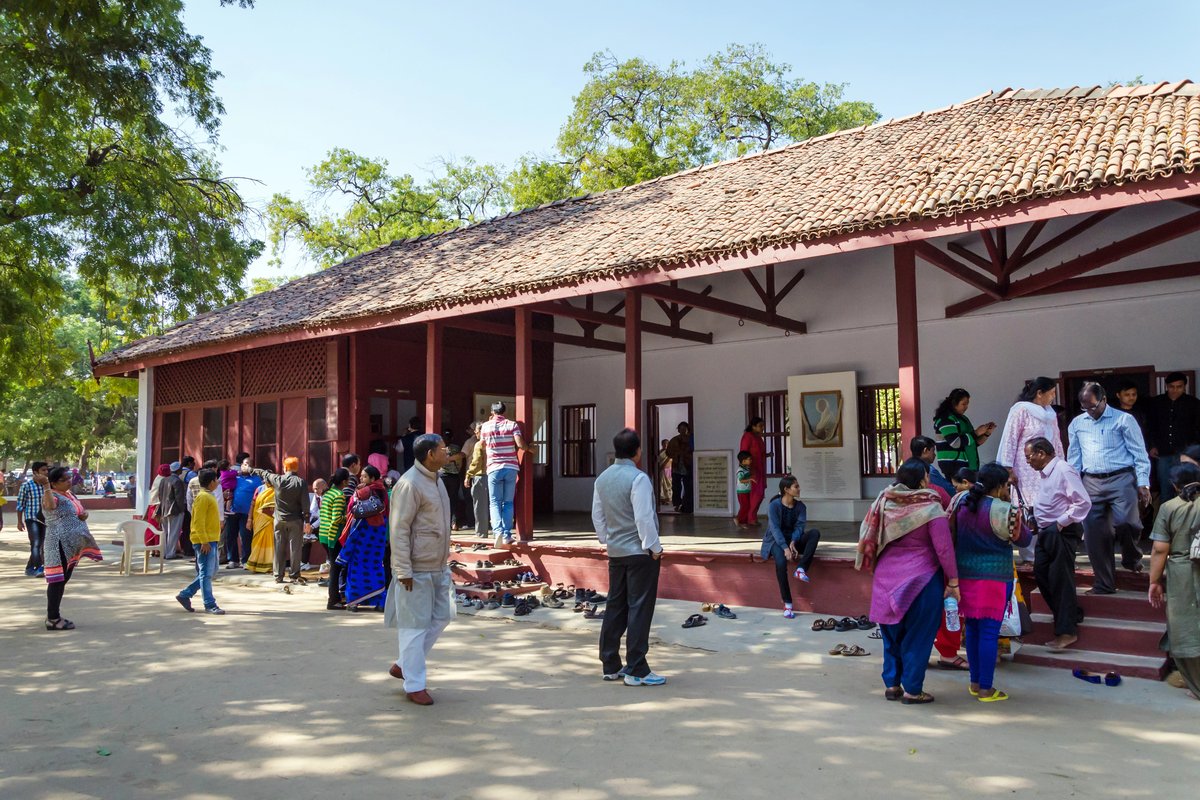
Photo: sabarmati-ashram-ahmedabad.jpg
Gandhi Ashram, Ahmedabad
Photo: adalaj-stepwell-ahmedabad.jpg
Adalaj Stepwell, Ahmedabad
Begin the day with the Heritage Walk of the old city, a guided walk of about two and a half hours. It starts at the Swaminarayan Temple in Kalupur and winds through the pols, past havelis with ornamental facades, artisans’ workshops and Hindu and Jain temples, to end at the Jama Masjid.
Built by Sultan Ahmed Shah in 1423, the Jama Masjid (Friday Mosque) is made of yellow sandstone in a style that combines the best of Muslim and Hindu traditions, with 260 pillars supporting 15 domes. Nearby stands Teen Darwaza, the triple-arched royal gateway to the old Maidan Shahi, and the Sidi Saiyyed Mosque, celebrated the world over for its stone window tracery, so delicately carved that the stone looks like lace.
Visit the Hutheesing Jain Temple, built in 1850 by a wealthy merchant and the best known of the city’s many ornate Jain temples. Then drive to the Gandhi Ashram on a peaceful stretch of the Sabarmati river. Mahatma Gandhi founded it in 1915, and for many years it was the nerve centre of India’s freedom movement; it was from here that he set out on the famous Dandi March in 1930. Hriday Kunj, the simple cottage where he lived, is preserved as it was in his lifetime.
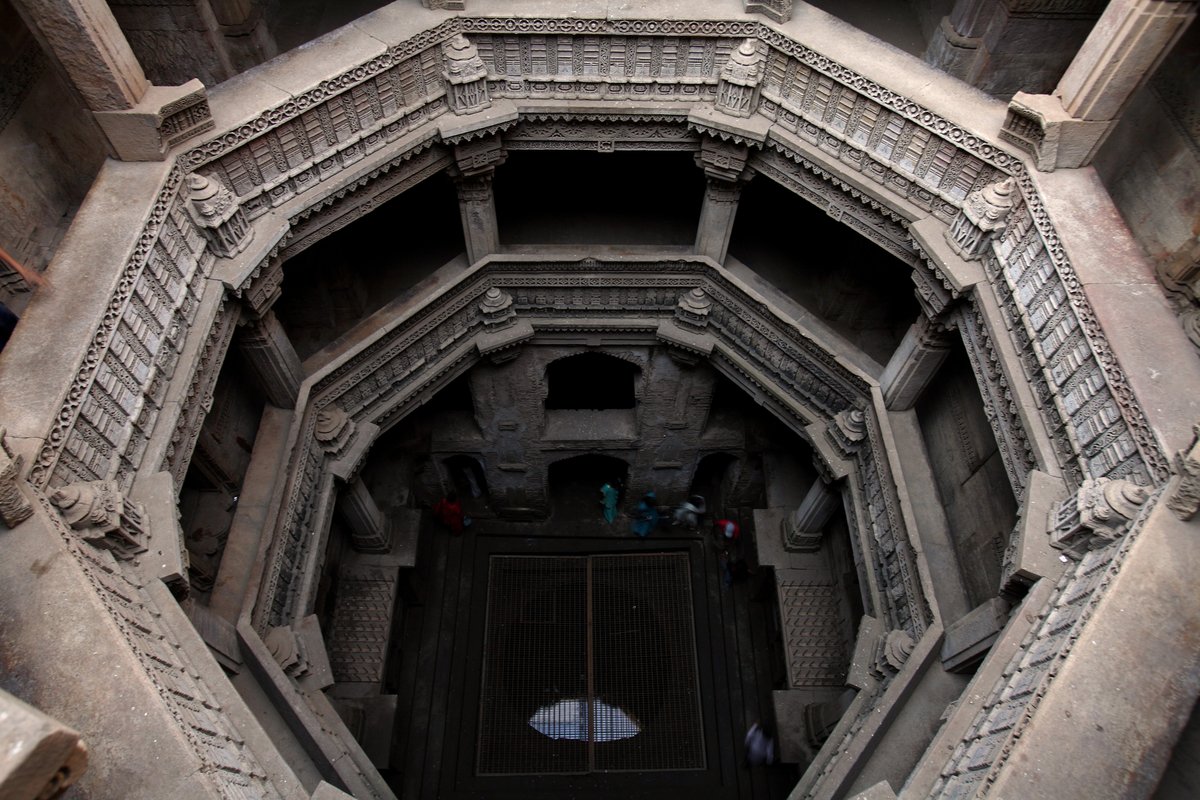
In the afternoon, visit the Adalaj stepwell, about 17 km north of the city. Built by Queen Rudabai in 1499 as a cool refuge from the summer heat, it descends five storeys to an octagonal well, with ornately carved pillars and beams. Continue to Akshardham in Gandhinagar, a modern Swaminarayan temple built in traditional style from 6,000 tonnes of pink sandstone and set in a large garden. In the evening, browse the textiles and handicrafts of Gujarat at the market in Law Garden.
Ahmedabad to the Little Rann of Kutch – Patan and Modhera
Photo: rani-ki-vav-patan.jpg
Rani ki Vav, Patan
Photo: sun-temple-modhera.jpg
Sun Temple, Modhera
After breakfast, drive to Patan (about 130 km, 3 hours), famous for its Patola weaving. Patola is a double ikat silk of glowing colours and designs, woven so that both sides are equally bright and it has no reverse side. Legend says that King Kumarpal of the Solanki dynasty invited 700 families of weavers to settle in Patan in the 12th century, and the Salvi family still keeps the craft alive.
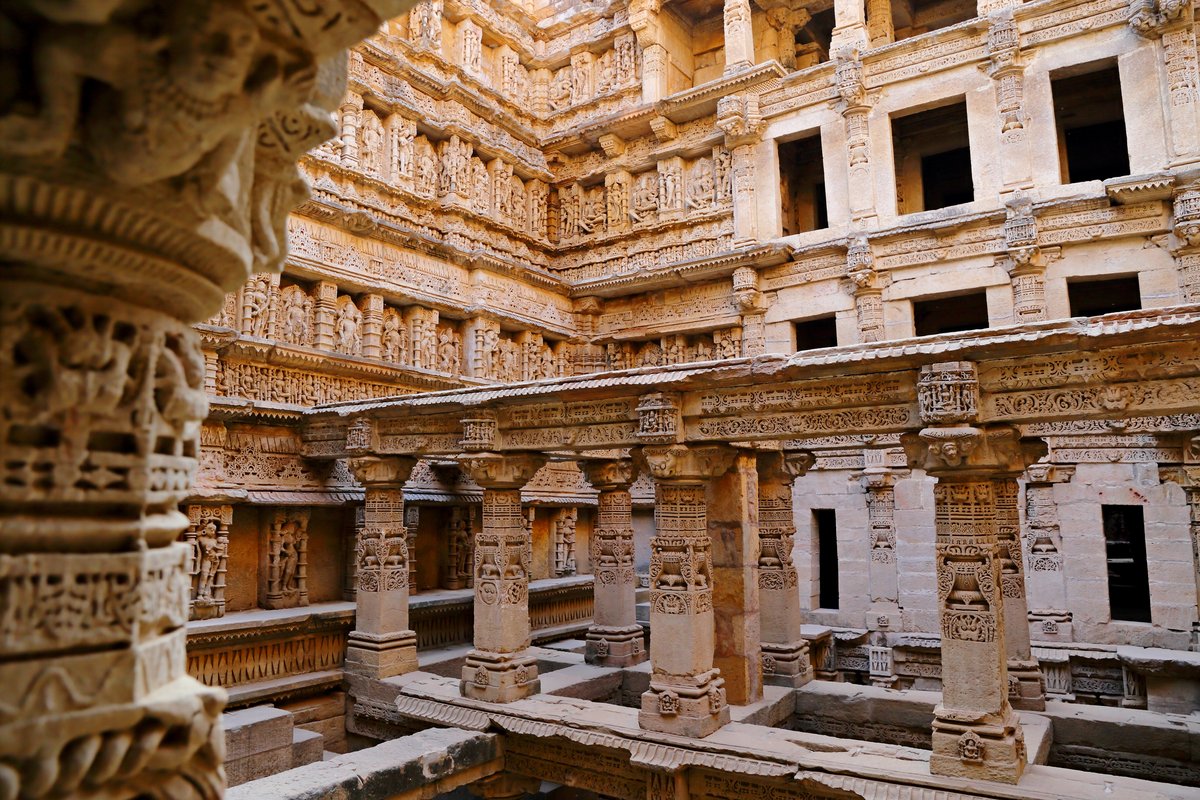
Visit Rani ki Vav, the magnificent stepwell built by Queen Udayamati of the Solanki dynasty and a UNESCO World Heritage Site. Its broad, stepped corridors lead down past hundreds of finely carved sculptures, and it is one of the finest examples of Indian stepwell architecture.
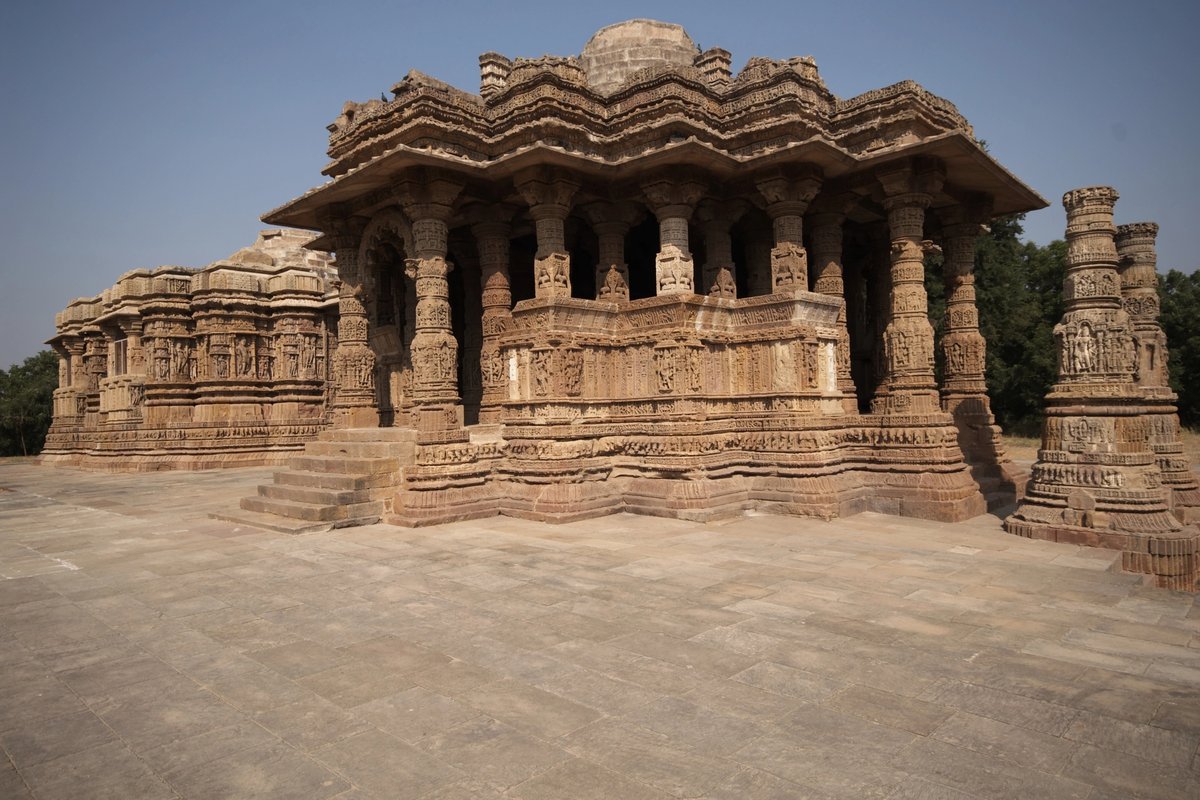
Continue to Modhera (about 40 km, 1 hour) to see the Sun Temple, built in 1026 by King Bhimdev I and dedicated to Surya, the Sun God. It stands on a high plinth overlooking a deep stepped tank, and every inch of it, inside and out, is carved with gods and goddesses, birds, beasts and flowers. Like the later Sun Temple at Konark, it was designed so that the rising sun lit the image of Surya at the equinoxes.
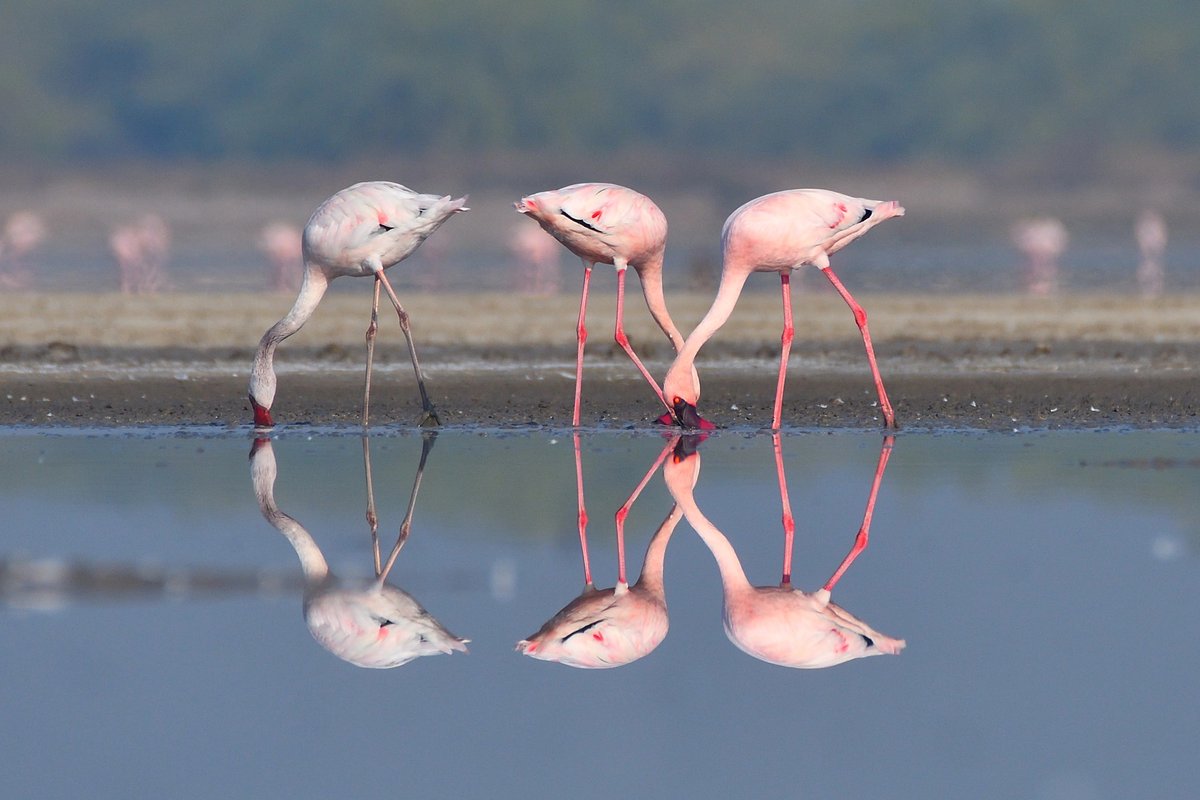
Later, drive on to Bajana (about 70 km, 2 hours) on the edge of the Little Rann of Kutch and check in to your camp. Bajana is a wonderful place for birdwatching, with large flocks of flamingos in winter, and the only place in India where the wild ass is found. Its tribal heritage, craft villages and rural charm offer an authentic experience of rural India.
Overnight: Little Rann of Kutch (Bajana)Drive: about 240 kmIncludes: guide, entrance fees, dinner
Day 6
Little Rann of Kutch – jeep safaris and craft villages
Photo: wild-ass-little-rann-of-kutch.jpg
Wild Ass, Little Rann of Kutch
Photo: flamingos-little-rann-of-kutch.jpg
Flamingos, Little Rann of Kutch
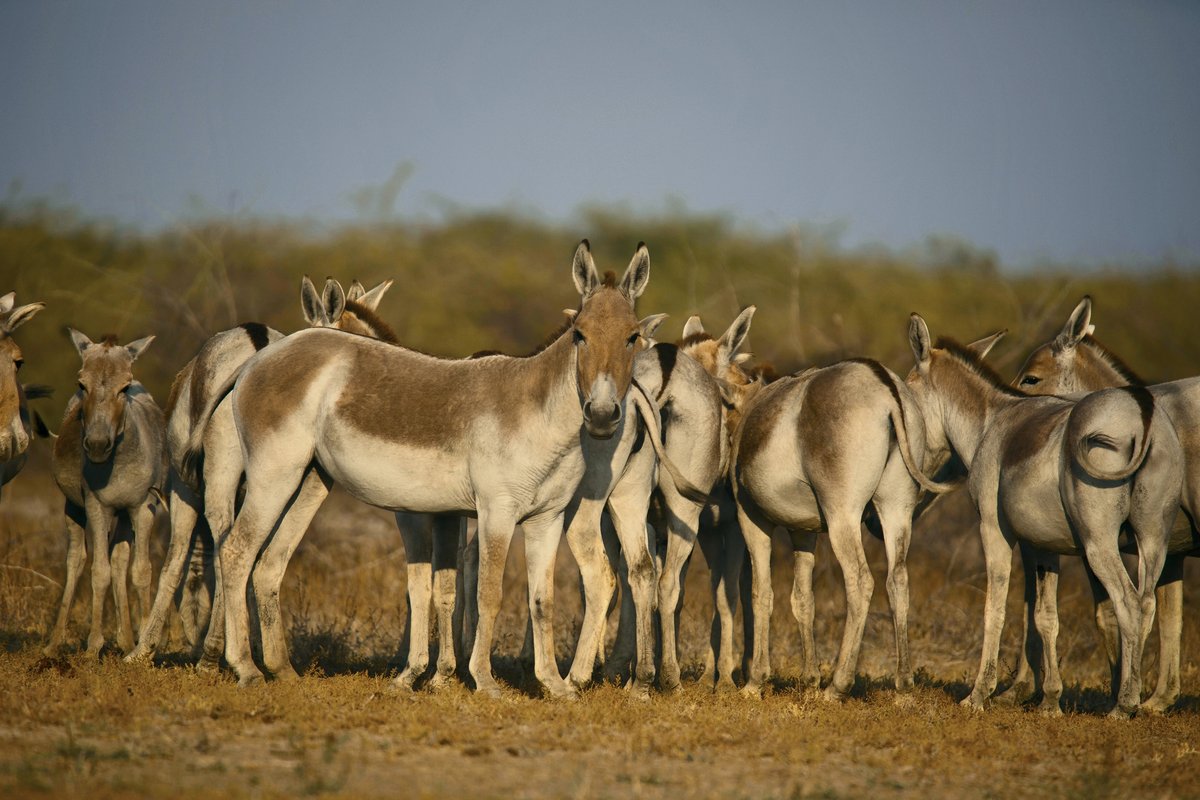
Early in the morning, set out on a jeep safari in the Little Rann of Kutch Sanctuary. Its highlight is the Asiatic wild ass (Ghudkhur), found only in this region. You may also see nilgai, blackbuck, chinkara, the Indian wolf, desert foxes and jackals. The Rann is a paradise for birdwatchers too, with larks, sandgrouse, coursers, eagles, falcons and harriers, and in winter greater and lesser flamingos, pelicans, cranes and great flocks of ducks.
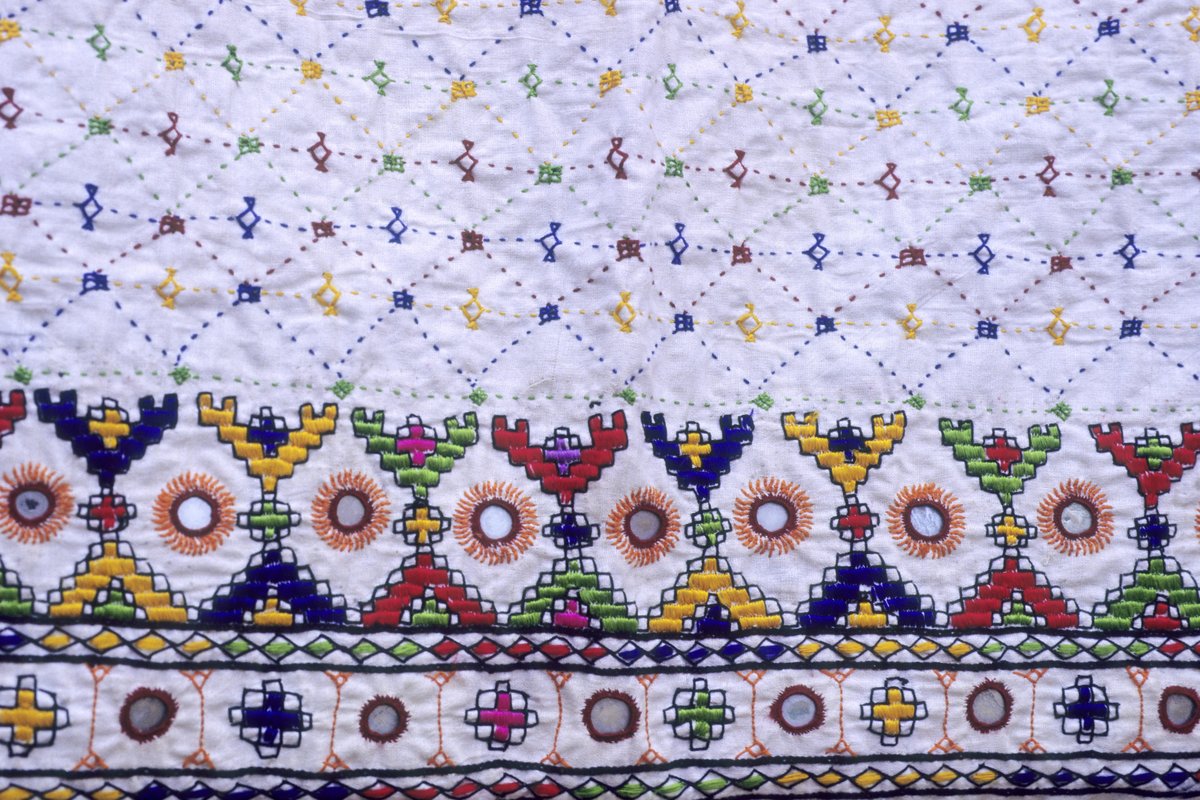
Return to camp for breakfast, then take a jeep to the villages of the Little Rann. In the village of Dasada, the women of the Rabari community, a pastoral people, do exquisite embroidery with mirrors in herringbone and chain stitches, and you can see their work at home, from wall hangings and dowry pieces to decorations for their cattle.
In the late afternoon, enjoy another jeep safari in the sanctuary as the light softens over the salt flats.
Overnight: Little Rann of Kutch (Bajana)Includes: two jeep safaris, village jeep tour, all meals
Day 7
Little Rann of Kutch to Bhuj
Early in the morning, enjoy a third jeep safari in the Little Rann of Kutch Sanctuary, then return for breakfast and drive to Bhuj (about 250 km, 5 hours). The rest of the day is at leisure.
Bhuj, the main town of Kutch, was founded in 1510 and takes its name from Bhujiyo Dungar, the hill that overlooks it, with Hamirsar Lake on its western side. With its old walls, busy bazaars, gateways, palaces and temples, the town keeps much of its old-world character.
Overnight: BhujDrive: about 250 kmIncludes: jeep safari, guide
Day 8
Bhuj – craft villages of Kutch and the White Rann
Photo: kutch-embroidery-bhuj.jpg
Kutch Embroidery, Bhuj
Photo: white-rann-of-kutch-dhordo.jpg
Great Rann of Kutch, Dhordo
Spend the day among the craft villages of Kutch, the last villages before the India-Pakistan border, where master craftspeople still create remarkable work every day.
Stop at Bhirandiyara, famous for its fresh mawa, a milk sweet best eaten warm, and for the colourful mud houses called bhungas of the Meghwal community, decorated with lippan kaam, mud and mirror relief work. In Nirona, see Rogan art, painting on cloth with a paste made from castor oil and natural colours, practised by just one family in India, as well as the making of copper bells and lacquered woodwork. At Khavda, see artisans printing Ajrakh textiles and fine leather craft, and the embroidery of the women’s collective Qasab. In Sumrasar, see the striking embroidery of the Sodha, Rabari and Garasia Jat communities.
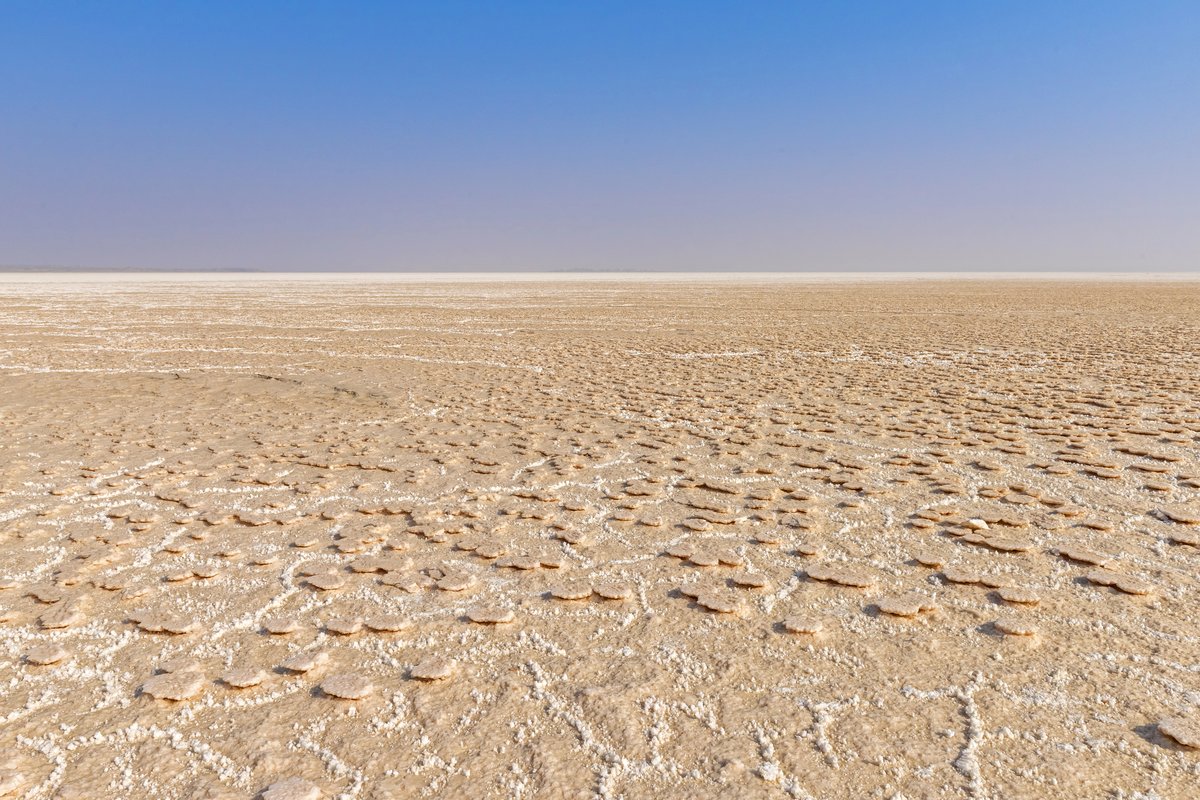
In the late afternoon, drive to Dhordo to see the sunset over the Great Rann of Kutch, the vast White Rann, a dazzling sea of salt stretching to the horizon.
Overnight: BhujIncludes: guide, car
Day 9
Bhuj to Gondal – the Naulakha Palace
Photo: naulakha-palace-gondal.jpg
Naulakha Palace, Gondal
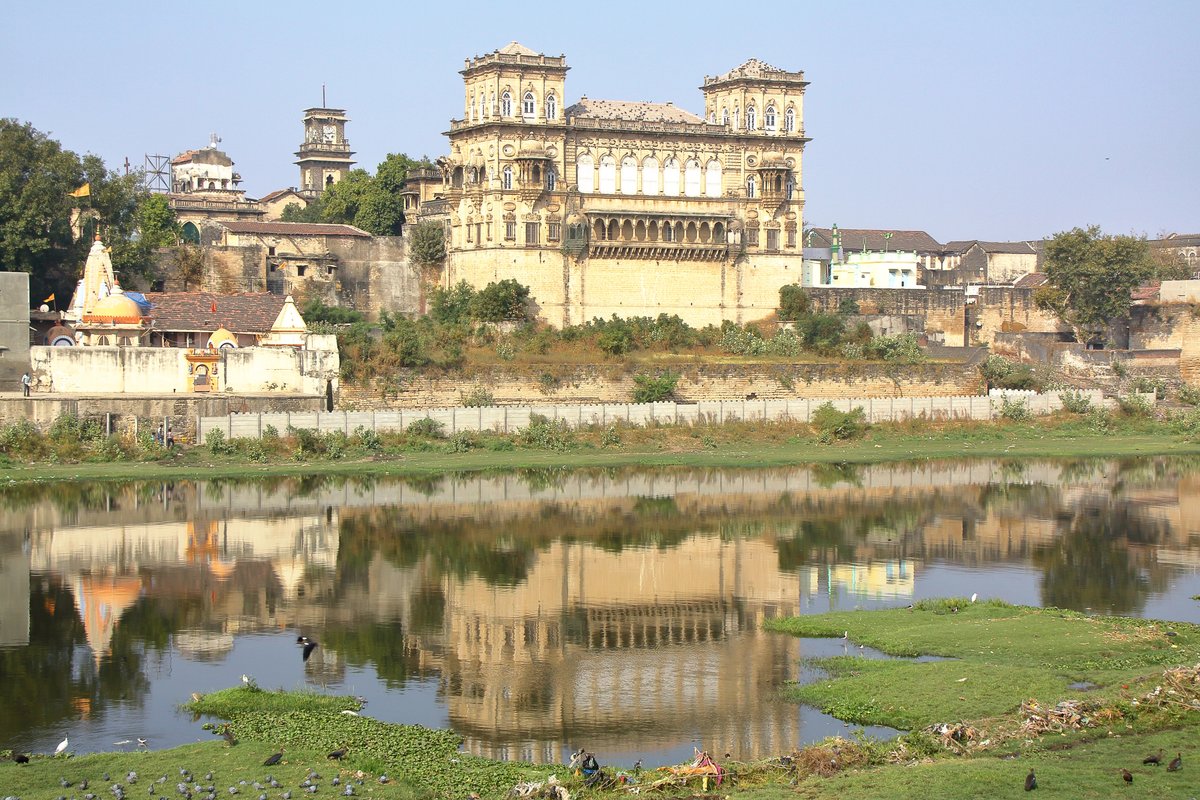
After breakfast, drive to Gondal (about 260 km, 5 hours 30 minutes) and check in to the Orchard Palace, a royal guest house of the former rulers of Gondal, furnished with period furniture, antiques and artefacts from the days of the Raj.
In the afternoon, see the royal garages with their collection of vintage and classic cars, and visit the Naulakha Palace, a riverside palace famous for its stone carvings, which houses royal memorabilia including toys from the late 19th and early 20th centuries, silver caskets that once carried messages and gifts to the Maharaja, elephant howdahs and royal portraits.
Overnight: GondalDrive: about 260 kmIncludes: guide, entrance fees
Day 10
Gondal to Sasan Gir – Junagadh and a lion safari
Photo: mahabat-maqbara-junagadh.jpg
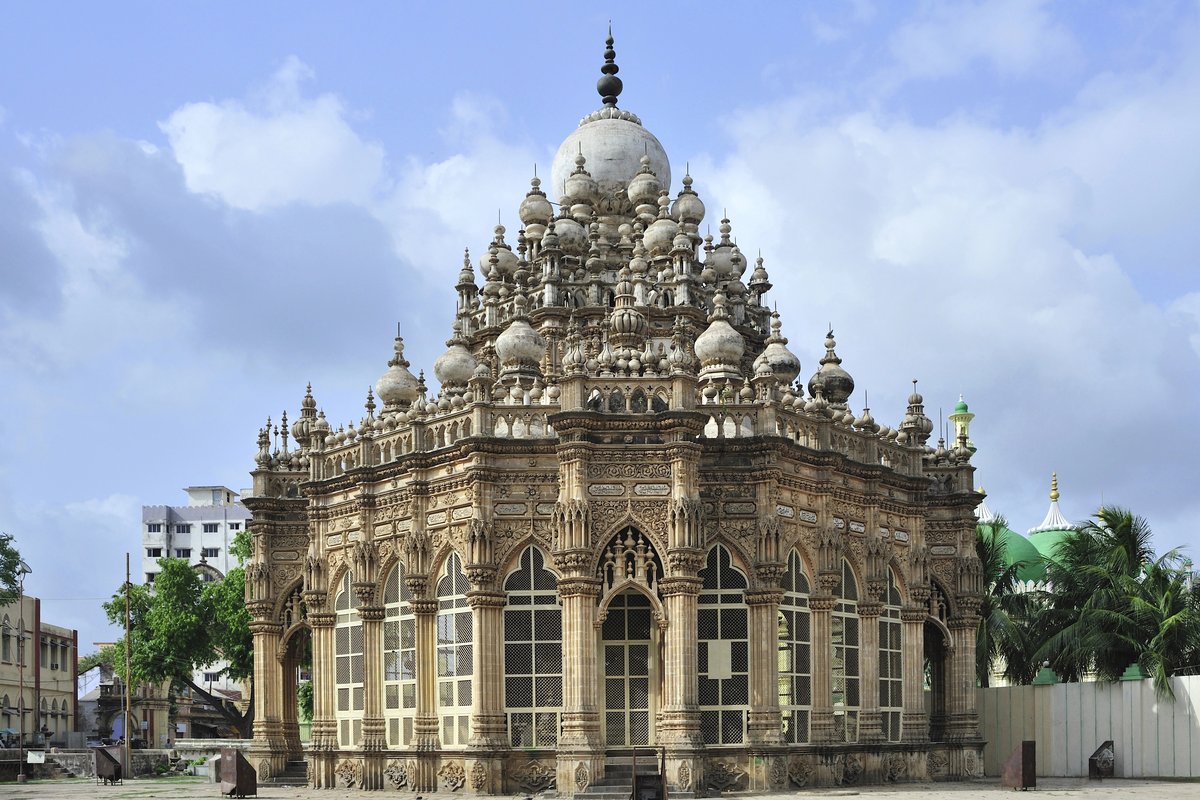
Mahabat Maqbara, Junagadh
After breakfast, drive to Junagadh (about 70 km, 1 hour 30 minutes), the former capital of the Nawabs of Junagadh, at the foot of the sacred Girnar hill.
Visit the Uparkot Fort, said to date back to the time of Chandragupta Maurya and rebuilt and extended many times over the centuries, and the Ashoka Rock Edicts, fourteen edicts of Emperor Ashoka from around 250 BC inscribed in Brahmi on a large granite rock, with their message of tolerance, kindness and respect for all religions. See also the Mahabat Maqbara, the landmark of Junagadh, a 19th-century mausoleum that blends Hindu, Islamic and Gothic styles, with spiral staircases winding around its minarets.
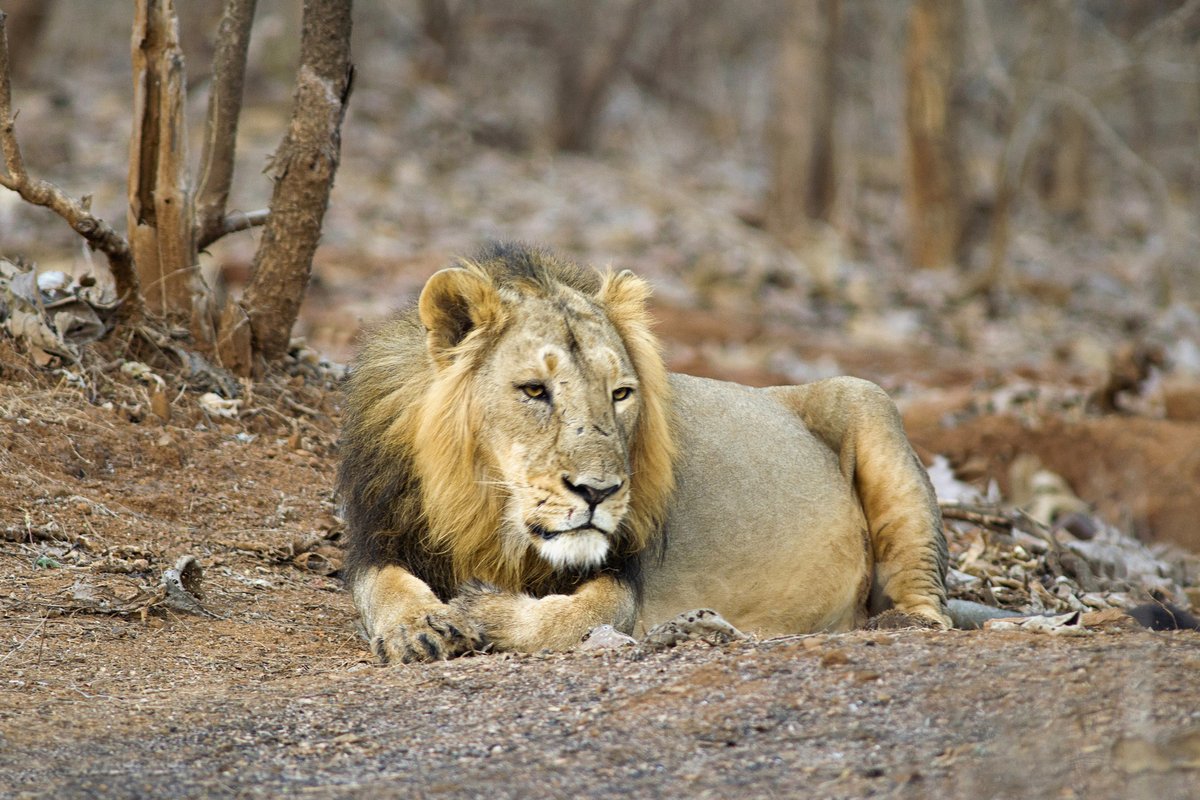
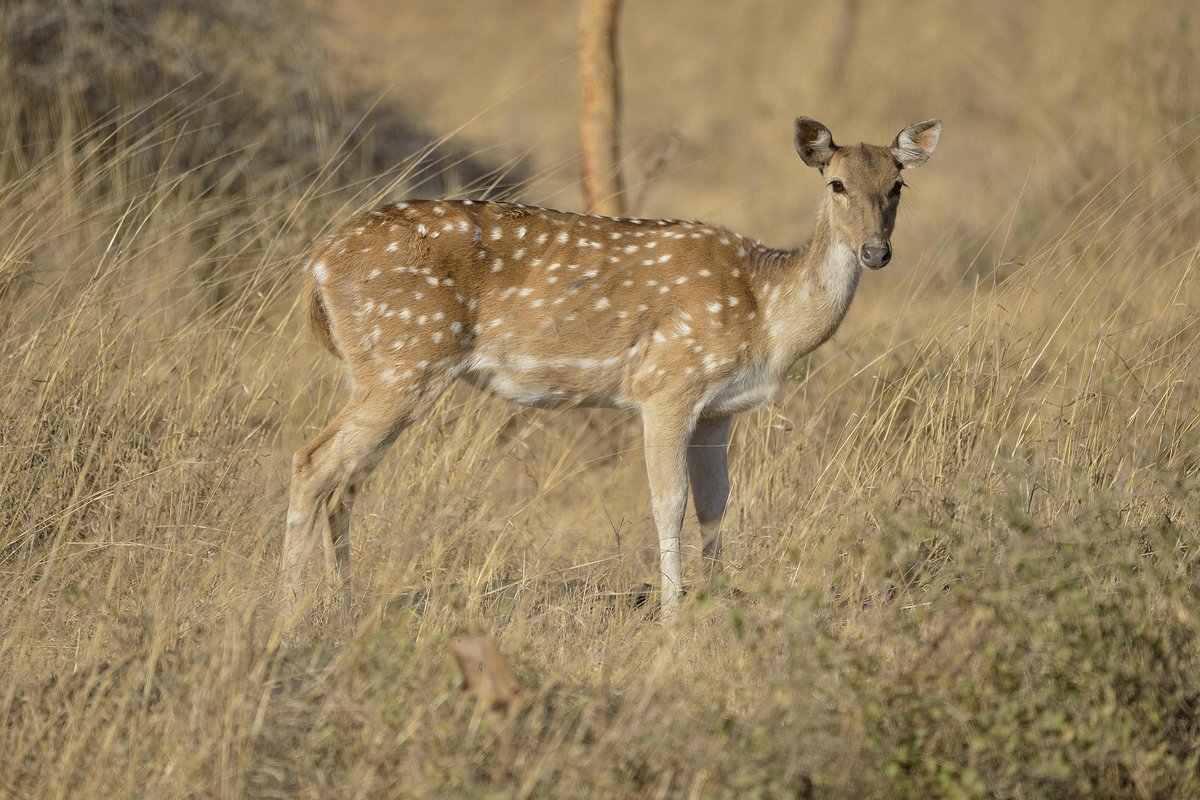
Continue to Sasan Gir (about 60 km, 1 hour 30 minutes) and check in to your resort. In the afternoon, enjoy a jeep safari in Gir National Park, the only place in the world outside Africa where lions live in the wild. Protected since 1913, Gir is home to most of the worldGir is home to over 600 Asiatic lions, as well asrsquo;s Asiatic lions, as well as leopards, chital, sambar, nilgai, four-horned antelope, chinkara, wild boar and a wealth of birds.
Overnight: Sasan GirDrive: about 130 kmIncludes: guide, entrance fees, jeep safari, all meals
Day 11
Sasan Gir – lion safaris
Photo: asiatic-lion-gir.jpg
Asiatic Lion, Gir
Photo: chital-gir.jpg
Chital, Gir
Set out early in the morning on a jeep safari in Gir National Park, when the forest comes alive and the lions are most active. Return to the resort for breakfast and a relaxing day.
In the late afternoon, enjoy another jeep safari, with a forest guard to help you look for lions, leopards and the many other animals and birds of Gir.
Overnight: Sasan GirIncludes: two jeep safaris, all meals
Day 12
Sasan Gir to Diu
Photo: st-pauls-church-diu.jpg
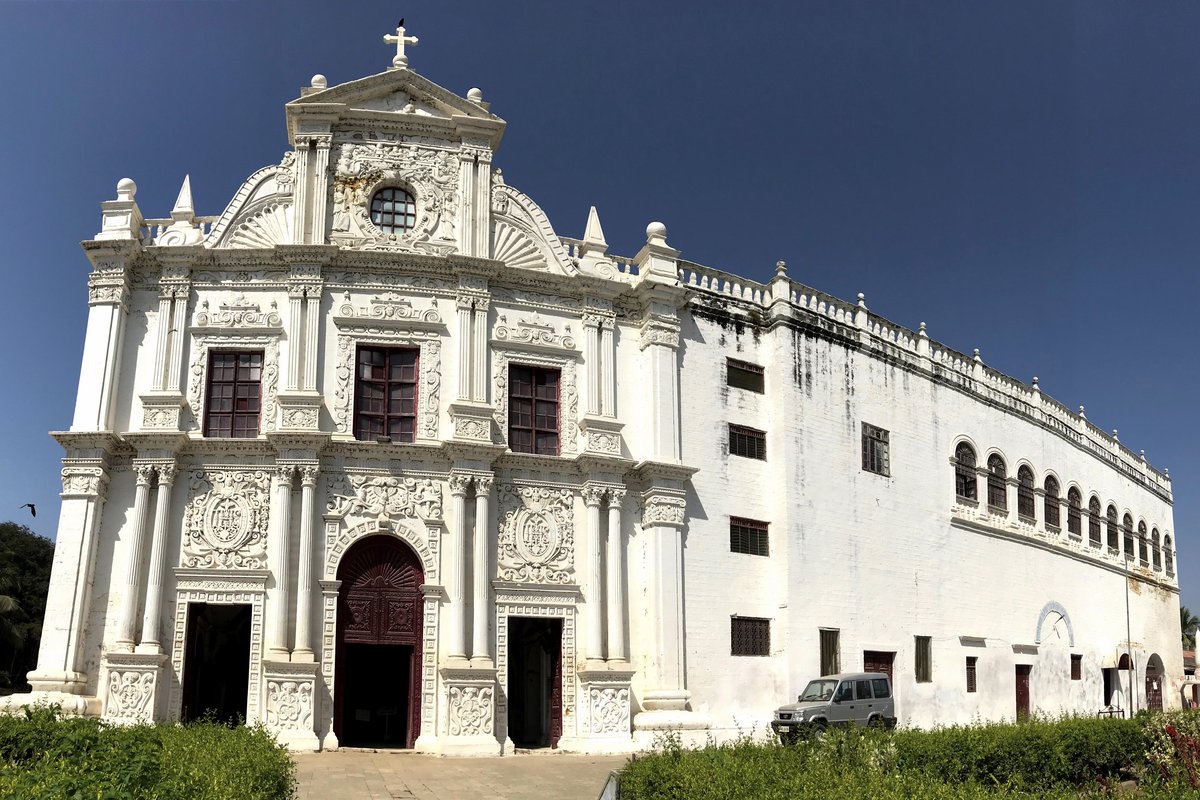
St Paul's Church, Diu
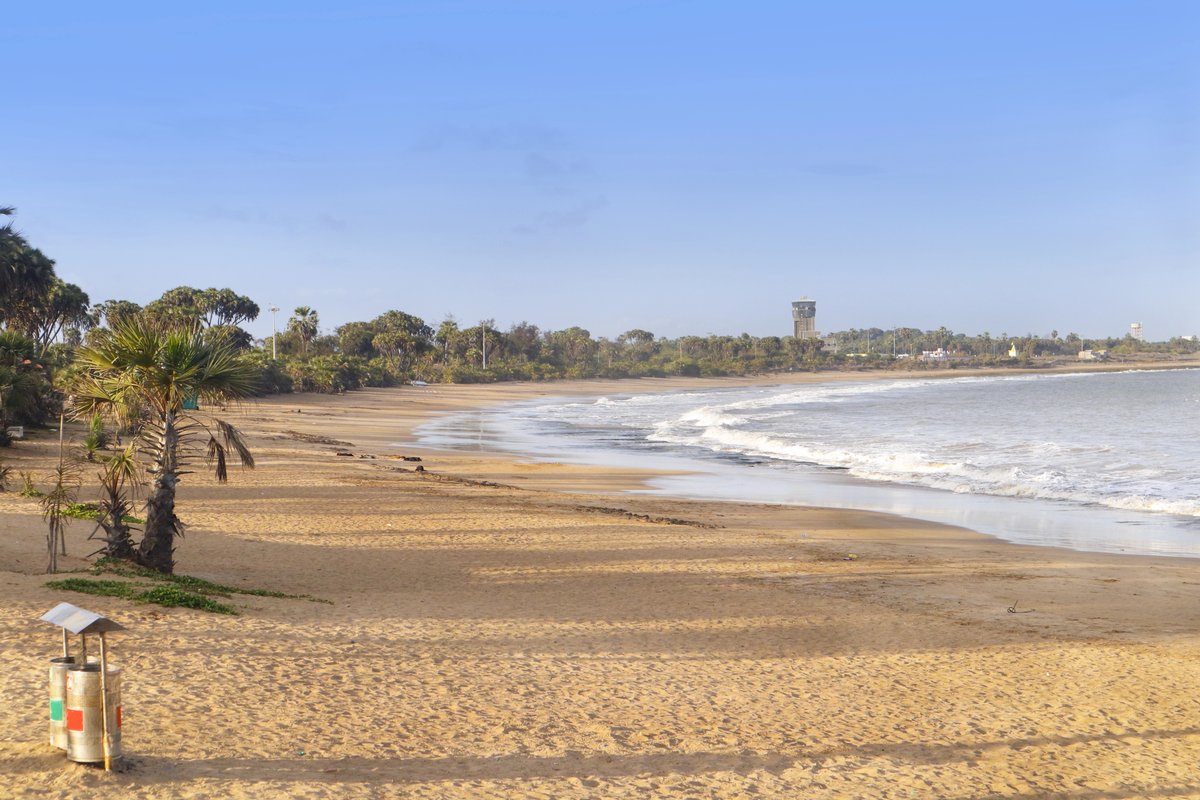
After breakfast, drive to Diu (about 125 km, 3 hours), a small island in the Arabian Sea off the southern tip of the Saurashtra peninsula, and a Portuguese territory until 1961, with a lovely blend of sun, sand and blue sea.
Later, visit St Paul’s Church, adorned with graceful volutes, shell-like motifs and magnificent wood carving, the most elaborate of the Portuguese churches in India, and St Thomas’ Church, a grand Gothic building of 1598, now a museum. See the mighty Diu Fort, standing guard over the coast, then spend the evening at Nagoa Beach, a horseshoe-shaped, palm-fringed beach just outside town.
Overnight: DiuDrive: about 125 kmIncludes: guide, entrance fees
Day 13
Diu – a day at leisure
Photo: nagoa-beach-diu.jpg
Nagoa Beach, Diu
A free day to relax by the sea, stroll through the quiet lanes and Portuguese houses of the old town, or simply enjoy the beach.
Overnight: Diu
Day 14
Diu to Mumbai by flight
Morning at leisure. Later, transfer to Diu airport for your flight to Mumbai. On arrival, you are met and transferred to your hotel.
Overnight: MumbaiIncludes: airport transfers
Day 15
Depart Mumbai
Transfer to Mumbai airport in time for your flight home, or onward to your next destination in India. Tour ends with happy memories!
Vehicle: airport transfer
What's included
Package includes
Meet and assist on arrival and departure transfers at all airports
14 nights in hotels, heritage hotels, camps and resorts of your chosen category, with daily breakfast
All meals in the Little Rann of Kutch and Sasan Gir
Private air-conditioned car with driver for all transfers and sightseeing as per itinerary
An English-speaking guide accompanying you from Ahmedabad to Diu, and local guides in Mumbai
Heritage walk of the old city, Ahmedabad
Three jeep safaris in the Little Rann of Kutch Sanctuary and a jeep tour of the craft villages
Three jeep safaris in Gir National Park
Ferry to Elephanta Island
Entrance fees to monuments and national parks as per itinerary
All applicable taxes
Package excludes
International airfares and airport taxes
Domestic airfares (Mumbai to Ahmedabad and Diu to Mumbai), quoted separately as fares can change at the time of booking
India visa fees and travel insurance
Lunches, dinners and drinks, except where mentioned
Camera and video fees at monuments and national parks
Tips to guides and drivers
Personal expenses such as laundry, telephone and shopping
Anything not mentioned under “Package includes”
Akshardham in Gandhinagar and the Elephanta Caves are closed on Mondays. Gir National Park and the Little Rann of Kutch Sanctuary are closed from mid-June to mid-October. Safaris in Gir are booked well in advance and permits are limited; wildlife sightings cannot be guaranteed. Driving times are approximate and depend on road and traffic conditions. Itineraries can be adjusted for closing days, your travel dates and special interests.
A private tour, quoted individually for 1 traveller or more. Tell us your dates and preferred hotels, and we will send a detailed quote, usually within 24 hours.