Go to content

Taste of East - Insights 2 India

"Eye to Eye" with India
Skip menu
Skip menu

Taste of East

Our Services > Package Tours > East India
Kolkata · Darjeeling · Pelling · Ravangla · Gangtok · Tsomgo Lake · Rumtek · Kalimpong · Kolkata
11 Nights / 12 Days Private tour with car & driver Himalayan views & monasteries Toy train & tea gardens

A journey from the heritage of Kolkata to the Eastern Himalayas. Explore the colonial heart of the city, its flower market, temples and the river, then fly north to Darjeeling for sunrise over Kanchenjunga from Tiger Hill, a ride on the famous toy train and a visit to a tea estate.

Cross into Sikkim to stay at Pelling, with its ancient monasteries and the ruins of Rabdentse, visit the sacred Khecheopalri Lake and the great Buddha of Ravangla, and discover Gangtok, the high-altitude Tsomgo Lake and Rumtek Monastery. End in the hill town of Kalimpong before flying back to Kolkata. Every tour is private and can be tailored to your dates, hotels and interests.

Tour highlights

  • A heritage walk around Dalhousie Square and a full day in Kolkata
  • The Dakshineswar Kali Temple and a river cruise to Belur Math
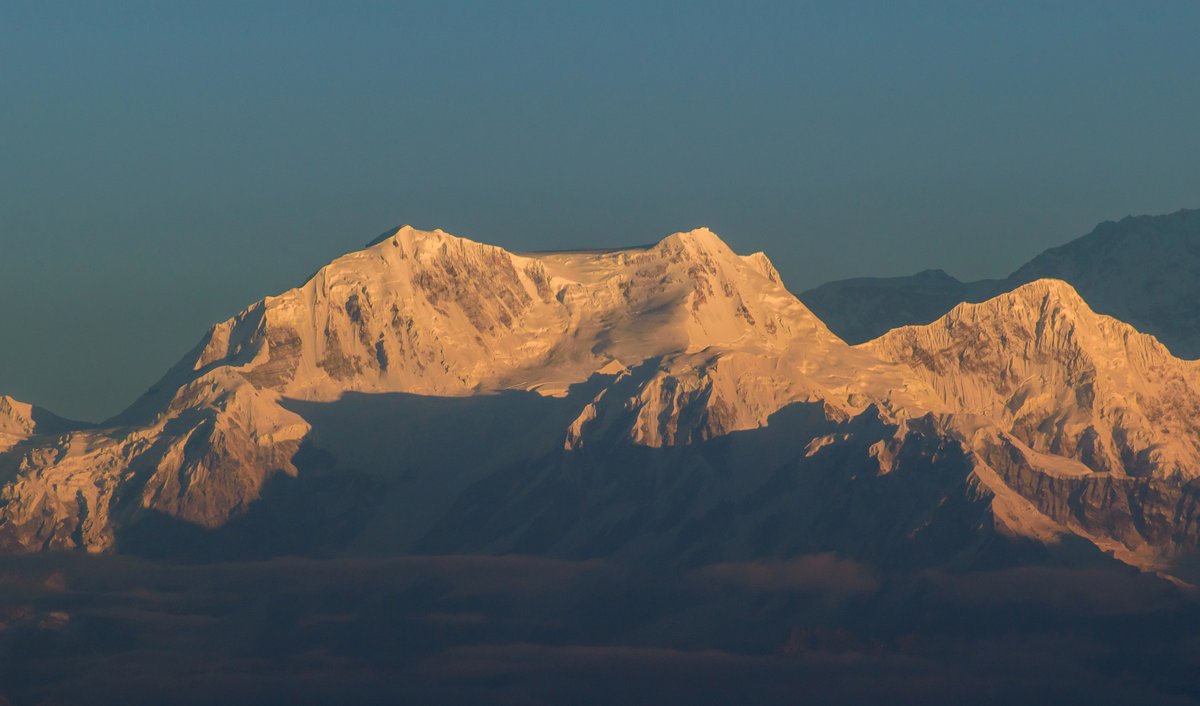
  • Sunrise over Kanchenjunga from Tiger Hill, Darjeeling
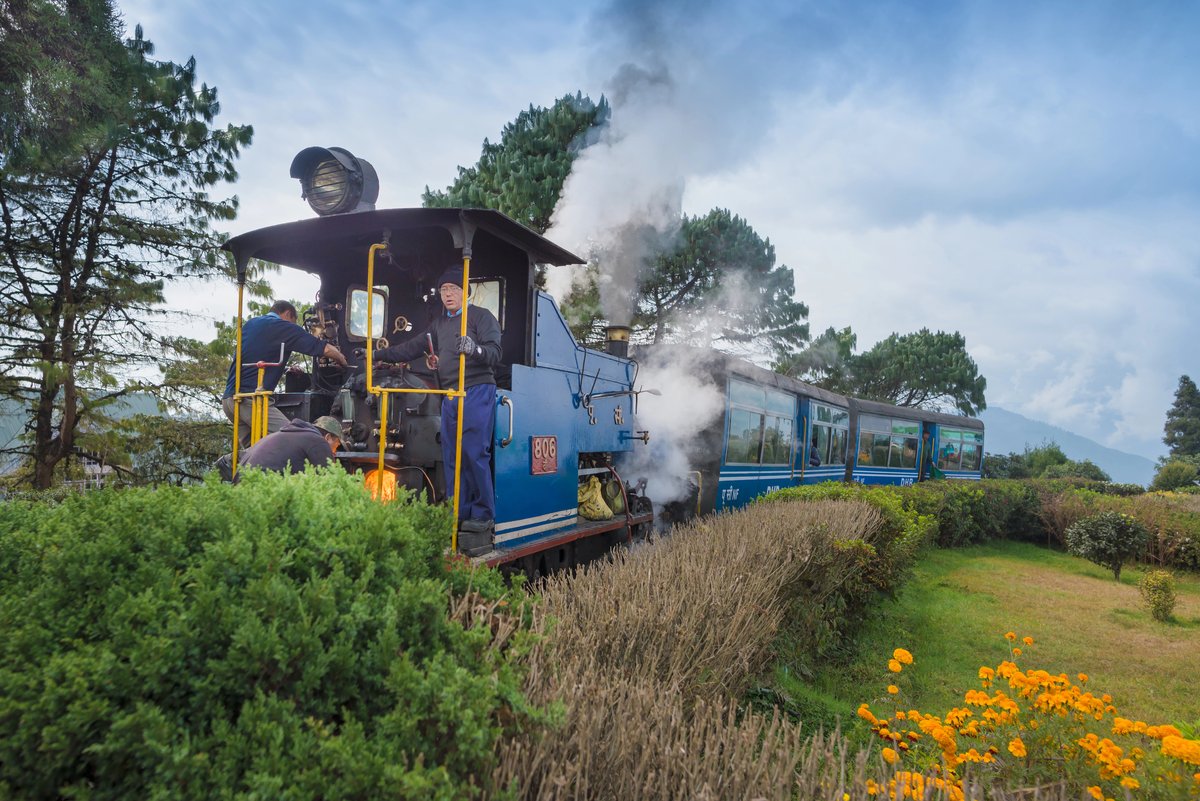
  • A steam toy train joy ride and a tea estate visit
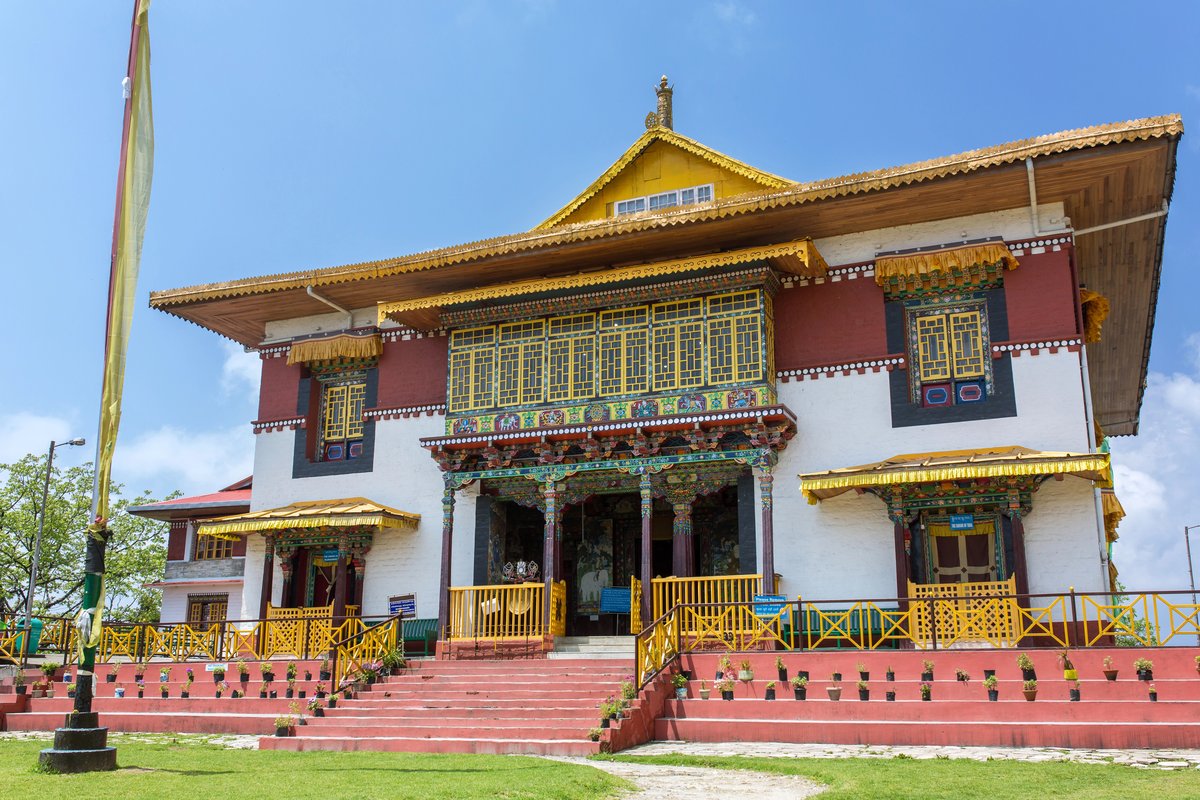
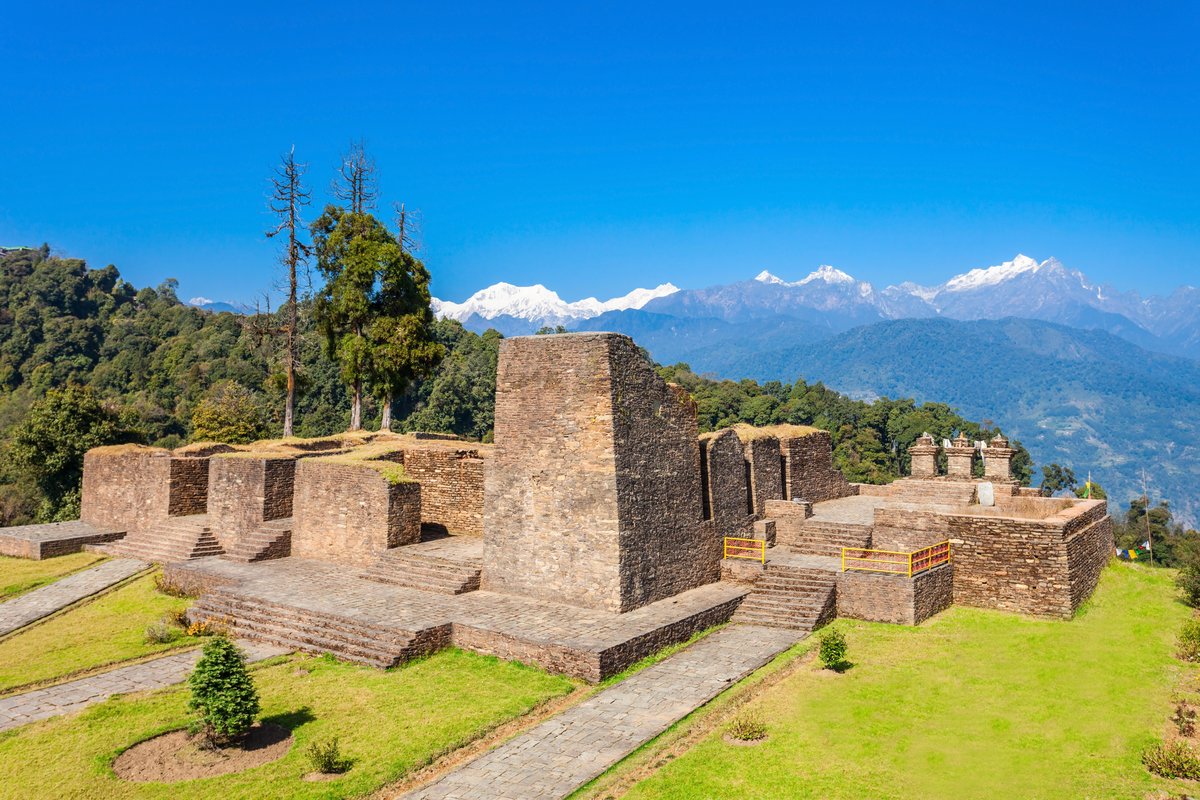
  • Pemayangtse Monastery, Rabdentse and the Glass Skywalk, Pelling
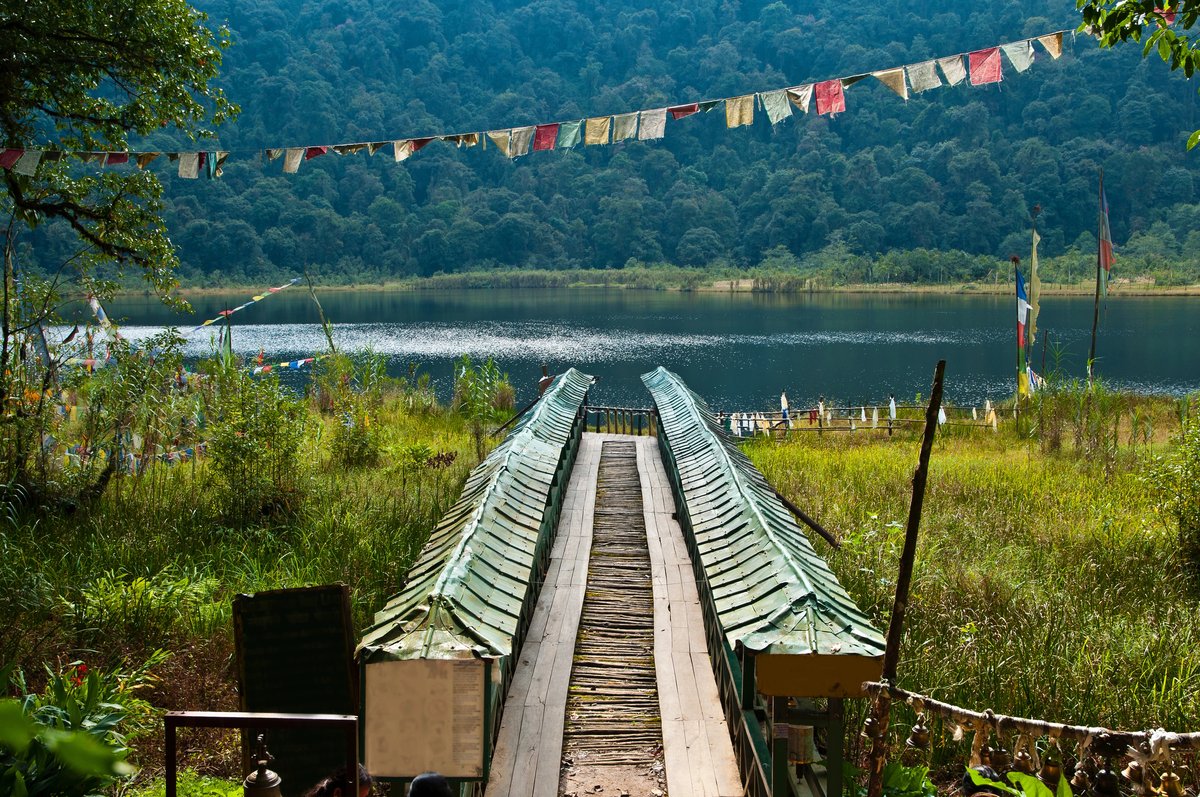
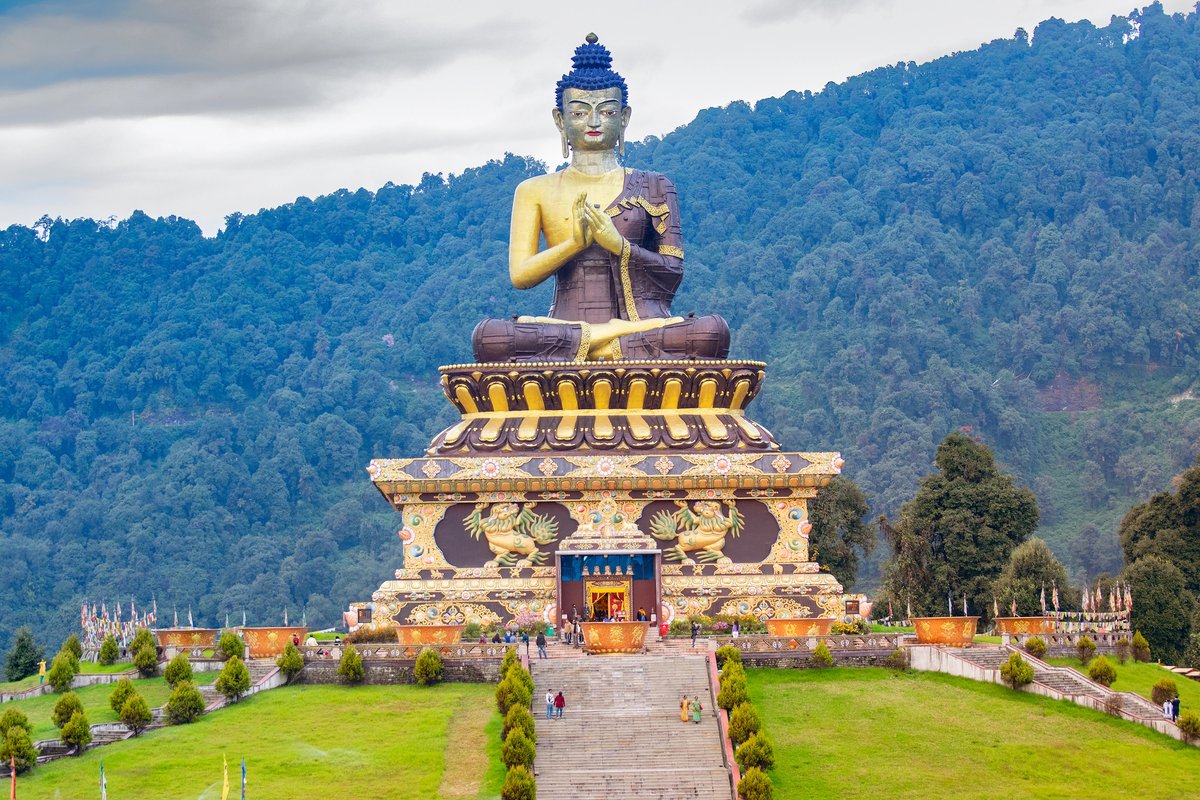
  • Sacred Khecheopalri Lake and the Buddha Park of Ravangla
  • Tsomgo Lake, high in the mountains above Gangtok, and Rumtek Monastery
  • The monastery and viewpoints of Kalimpong
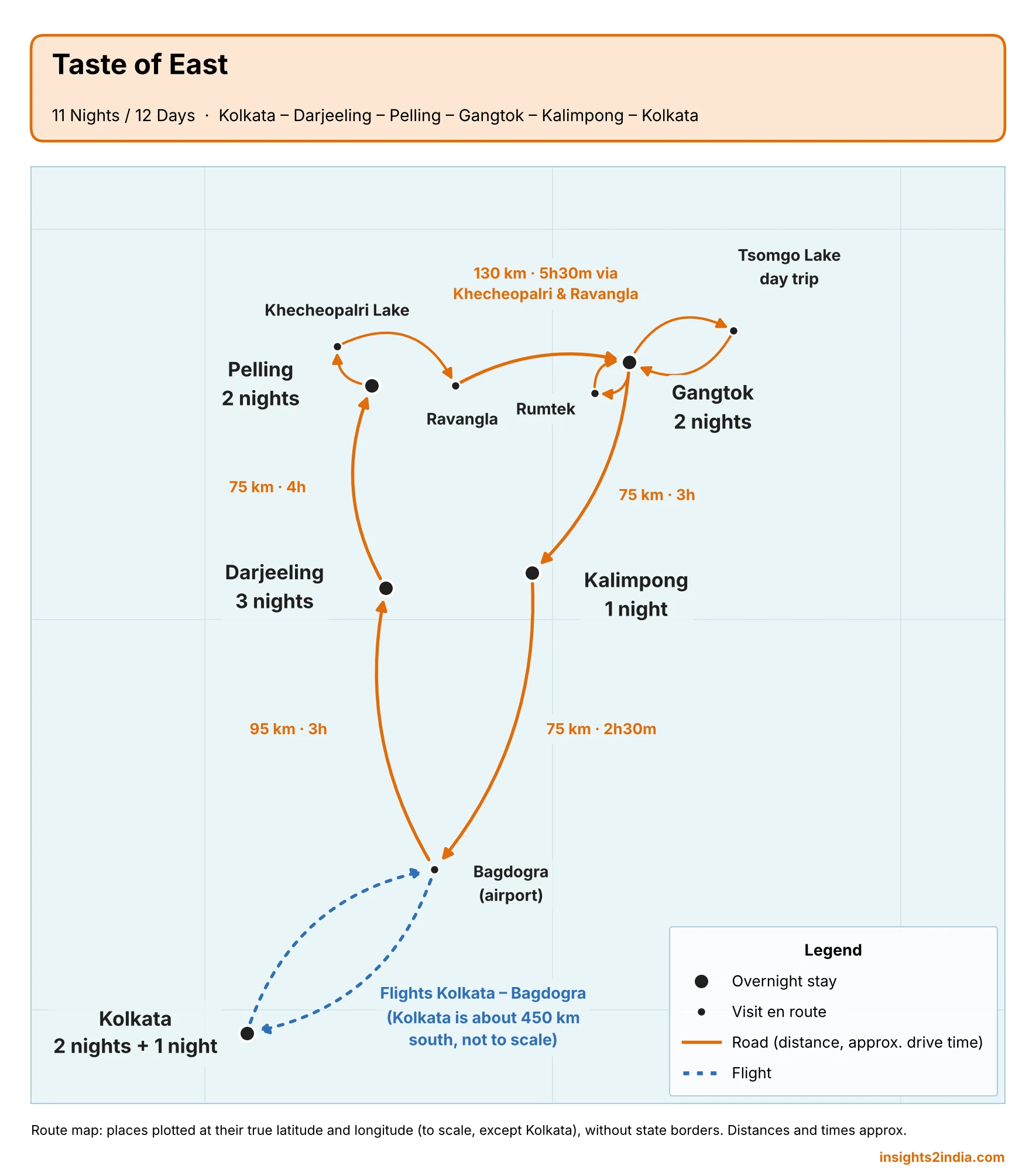
Taste of East tour route map: Kolkata, Bagdogra, Darjeeling, Pelling, Ravangla, Gangtok, Kalimpong
Route Map (click to enlarge)

Day-by-day itinerary

Day 1

Arrive Kolkata

Travel by flight

Welcome to India! On arrival at Kolkata airport, you are welcomed and transferred to your hotel. The rest of the day is at leisure.

Kolkata is the city of joy, contrast and culture. Once the capital of British India and now the capital of West Bengal, a visit to Kolkata brings visitors in touch with a combination of a rich 400-year-old heritage, vibrant modern life and different cultures.

Overnight: KolkataIncludes: airport transferPlease note: this tour works best arriving on a Monday, Tuesday or Thursday, so that the Victoria Memorial (closed on Mondays), Mother Teresa’s House (closed on Thursdays) and the Namgyal Institute of Tibetology in Gangtok (closed on Saturdays and Sundays) are open on the days we visit; in Darjeeling, Days 4 and 5 can be swapped around the Thursday closing of the zoo and the Himalayan Mountaineering Institute. Other arrival days can be arranged with small changes
Day 2

Kolkata – full-day city tour

Sightseeing by car
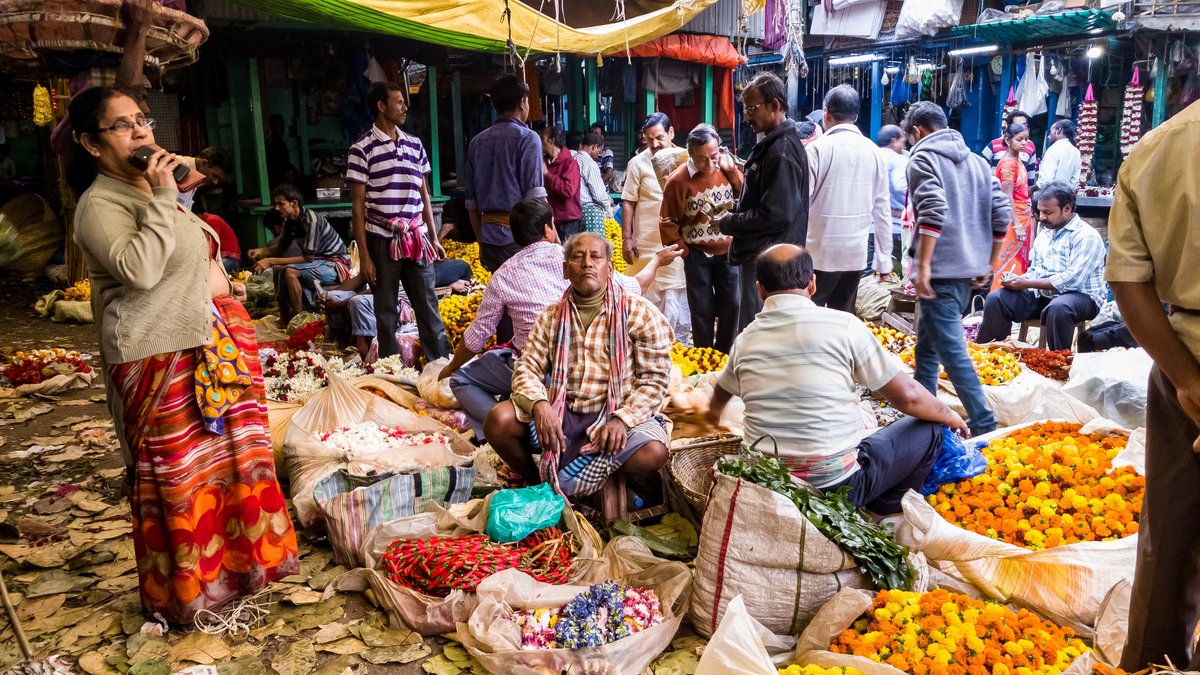
Photo: flower-market-kolkata.jpgFlower Market, Kolkata
Flower Market, Kolkata
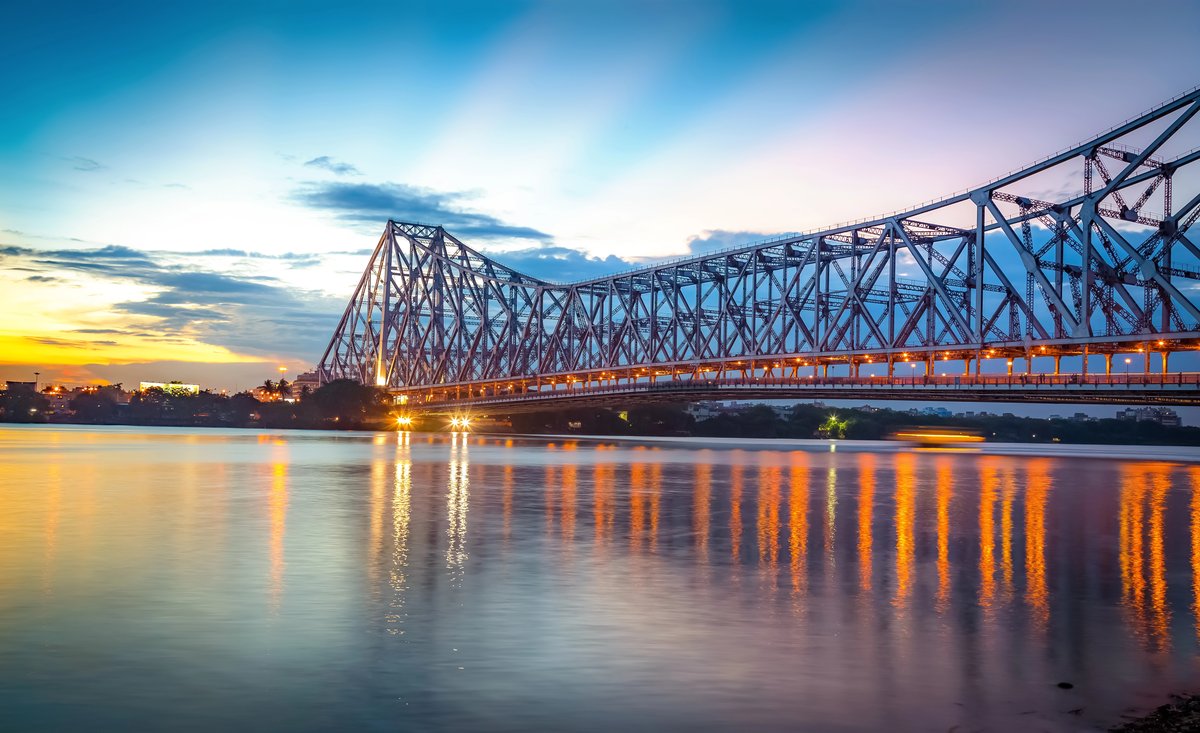
Photo: howrah-bridge-kolkata.jpgHowrah Bridge, Kolkata
Howrah Bridge, Kolkata
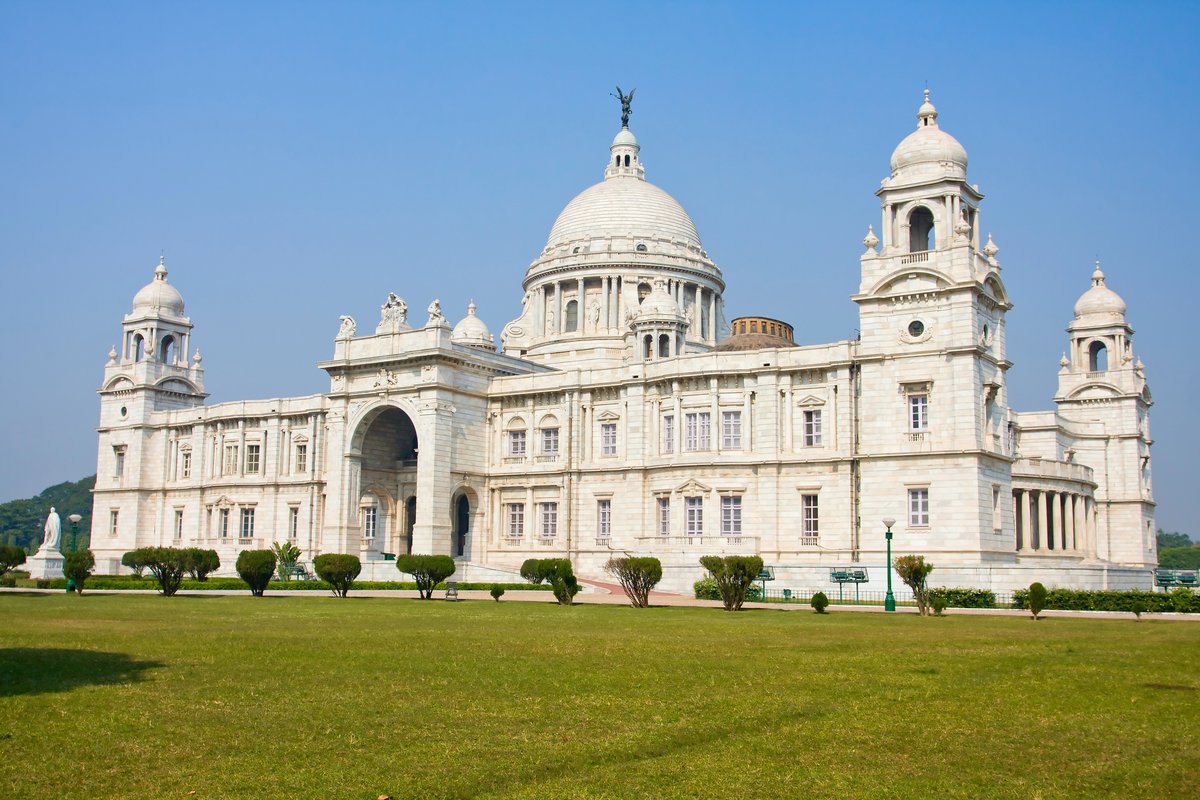
Photo: victoria-memorial-kolkata.jpgVictoria Memorial, Kolkata
Victoria Memorial, Kolkata
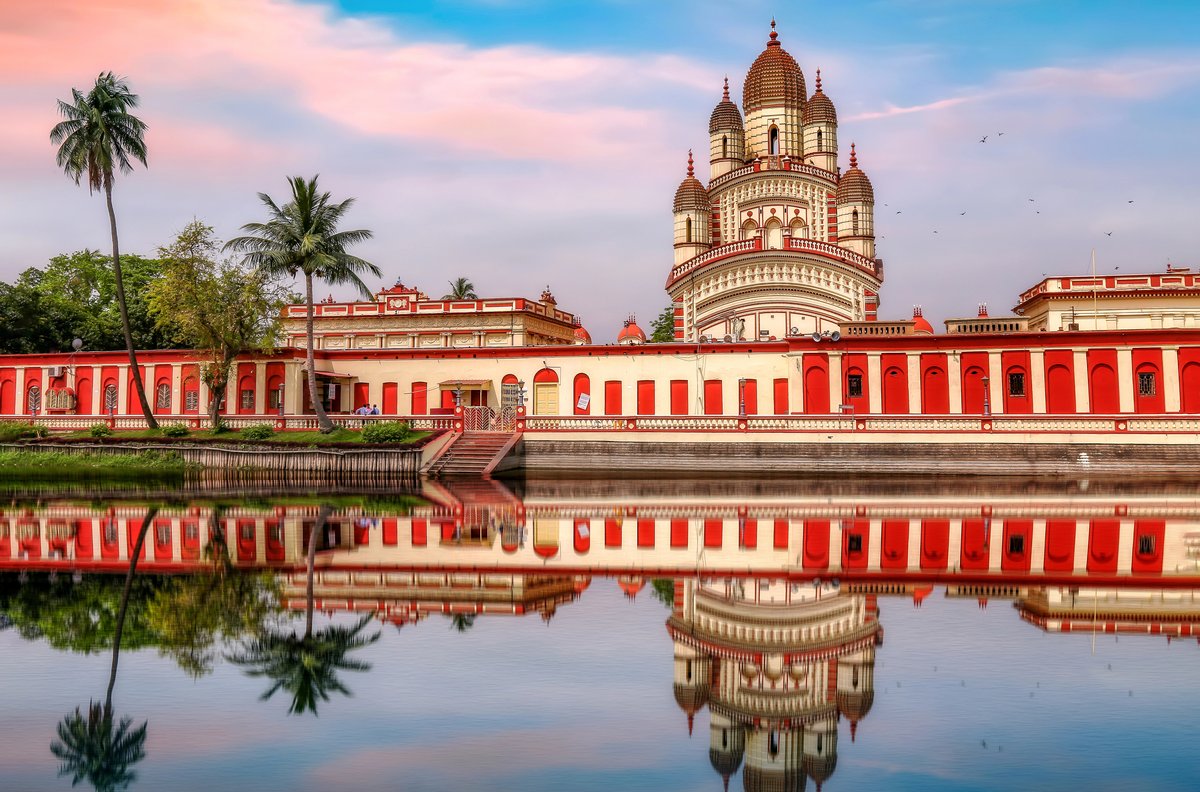
Photo: dakshineswar-kali-temple-kolkata.jpgDakshineswar Kali Temple, Kolkata
Dakshineswar Kali Temple, Kolkata

After breakfast, set out on a full-day tour of Kolkata, starting with a heritage walk around Dalhousie Square. Dalhousie Square, or BBD Bagh (named after three valiant leaders, Benoy, Badal and Dinesh), is the former seat of British administration and commerce, the capital of the largest British Empire in the Indian subcontinent. This is reflected in its grandiose old buildings in Georgian, Victorian and late Gothic styles, and the rich architecture and its evolution still stand today. Discover on foot the historic city centre, a significant heritage zone of the nation, with an expert explaining its impact on the evolution of the city.

Later, drive to the Flower Market, a unique wholesale flower market on the bank of the river Ganges near the famous Howrah Bridge. Visit Mother Teresa’s House, the headquarters of the Missionaries of Charity, followed by the Victoria Memorial and St Paul’s Cathedral. Hop on an old, charming local tram for a short ride, visit the famous Kali Temple at Kalighat, and enjoy a short hand-pulled rickshaw ride.

In the late afternoon, visit the Dakshineswar Kali Temple, famous for its association with Ramakrishna, who achieved spiritual vision here. Rani Rashmoni built this temple in 1847. The 12-spired temple, with its enormous courtyard, is surrounded by 12 other temples dedicated to Lord Shiva. Then enjoy a river cruise by motorboat across the Ganges from Dakshineswar to Belur Math, with glimpses of the river and the vibrant life of Kolkata along its banks.

Overnight: KolkataIncludes: heritage walk, guide, tram and rickshaw rides, river cruise, entrance fees
Day 3

Kolkata to Darjeeling (flight to Bagdogra)

Travel by flight

After breakfast, transfer to Kolkata airport for your flight to Bagdogra. On arrival, you are met and driven to Darjeeling (about 95 km, 3 hours).

Once the summer capital of India, Darjeeling is a land of infinite variety and charm, offering a mix of lively nature and charming Himalayan people. It is the place of Dorje, the mystic thunderbolt of the Lama religion. Surrounded by tea gardens, this little town faces some of the highest peaks of the Himalayas. Check in to your hotel, rest, and then walk around town to take in the new culture you are in.

Overnight: DarjeelingDrive: about 95 kmIncludes: airport transfer
Day 4

Darjeeling – Tiger Hill sunrise and city tour

Sightseeing by car
Photo: kanchenjunga-tiger-hill-darjeeling.jpgKanchenjunga from Tiger Hill, Darjeeling
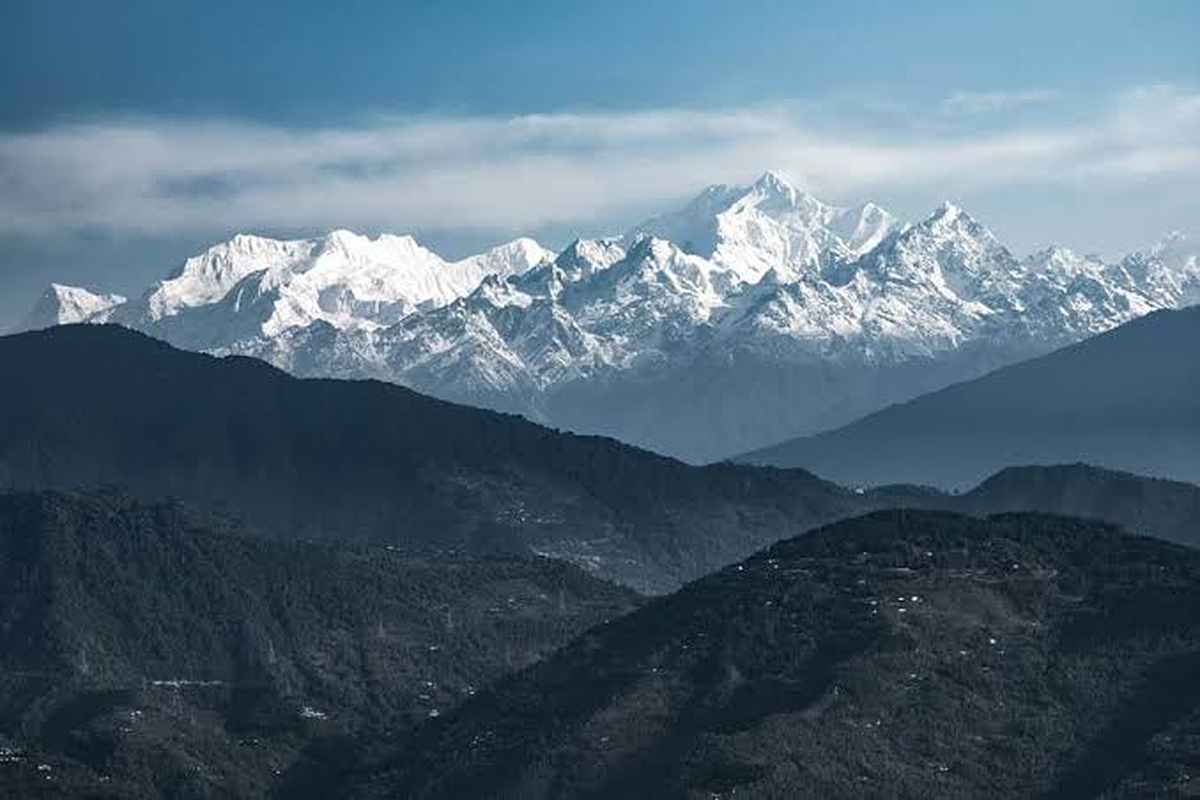
Kanchenjunga from Tiger Hill, Darjeeling
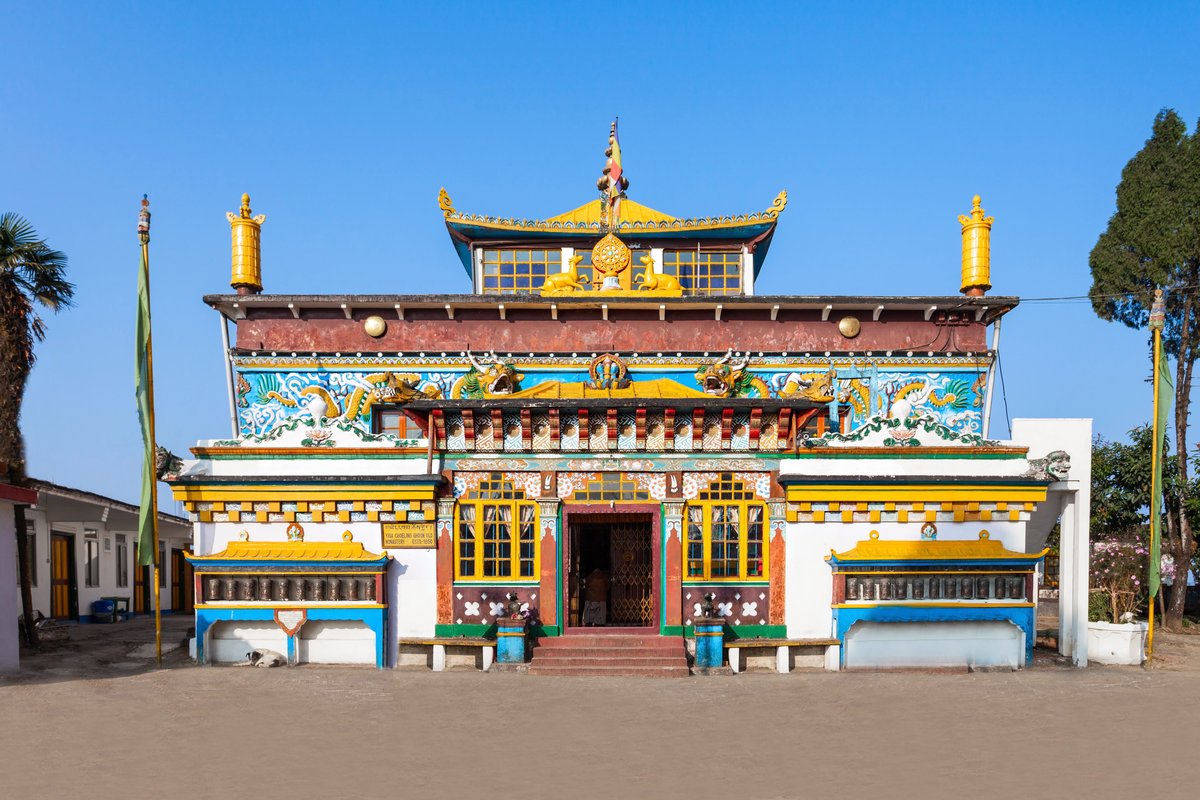
Photo: ghoom-monastery-darjeeling.jpgGhoom Monastery, Darjeeling
Ghoom Monastery, Darjeeling

Start early for Tiger Hill to watch the spectacular sunrise and its amazing effect on Mt Kanchenjunga, the world’s third highest peak. Return to the hotel for breakfast.

Later, enjoy a sightseeing tour of Darjeeling, visiting the Ghoom Monastery, the Batasia Loop and War Memorial, the Padmaja Naidu Himalayan Zoological Park, the Himalayan Mountaineering Institute, the Tibetan Refugee Self-Help Centre, the Japanese Temple and Peace Pagoda, and Tenzing and Gombu Rock, ending with a walk around the Mall and the local market.

Overnight: DarjeelingIncludes: guide, entrance feesPlease note: the zoo and the Himalayan Mountaineering Institute are closed on Thursdays, and the Tibetan Refugee Self-Help Centre on Sundays
Day 5

Darjeeling – toy train joy ride and tea estate

Sightseeing by car
Photo: toy-train-darjeeling.jpgToy Train, Darjeeling
Toy Train, Darjeeling
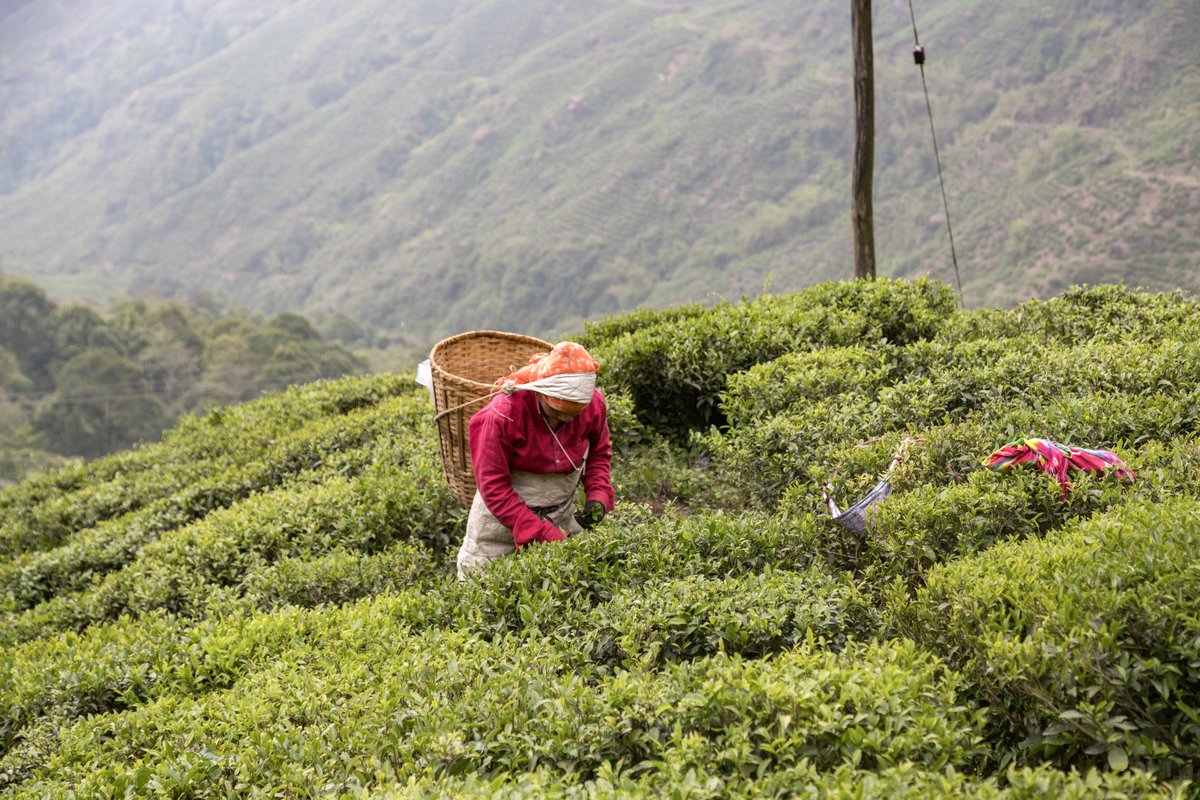
Photo: tea-garden-darjeeling.jpgTea Garden, Darjeeling
Tea Garden, Darjeeling

After breakfast, transfer to the railway station for a steam toy train joy ride, a round trip of about 1 hour 45 minutes from Darjeeling. This unique mountain railway was first started in 1878 on the initiative of Sir Ashley Eden, and is now a UNESCO World Heritage Site.

Later, visit a tea estate to see how the famous Darjeeling tea is grown, plucked and processed. The rest of the day is free to explore the town at your own pace.

Overnight: DarjeelingIncludes: toy train joy ride, tea estate visit
Day 6

Darjeeling to Pelling

Travel by car

After breakfast, drive to Pelling (about 75 km, 4 hours), entering Sikkim at the check post, where your Sikkim permit is issued.

Pelling is a small town in the West Sikkim region. The town is a laid-back place that attracts travellers from different parts of the country. Pelling is located near the foothills of Kanchenjunga, and one can witness an outstanding view of the mountain from here. There are numerous scenic spots in the area, and the main attractions are the monasteries that dot the countryside.

Overnight: PellingDrive: about 75 kmIncludes: Sikkim permit
Day 7

Pelling – Pemayangtse, Rabdentse and the Skywalk

Sightseeing by car
Photo: pemayangtse-monastery-pelling.jpgPemayangtse Monastery, Pelling
Pemayangtse Monastery, Pelling
Photo: rabdentse-ruins-pelling.jpgRabdentse Ruins, Pelling
Rabdentse Ruins, Pelling

After breakfast, visit Kanchenjunga Falls, a perennial waterfall about an hour’s drive from Pelling towards Yuksom; it is believed that the pristine waterfall originates high up in the glaciers of Mount Kanchenjunga. See the Rimbi Waterfalls, about 12 km from Pelling, which lead to the Rimbi River.

Walk on the Glass Skywalk, India’s first, built at a height of 7,200 feet beside the marvellous statue of Chenrezig, a famous Buddhist pilgrimage site. The skywalk overlooks the magnificent Kanchenjunga and the Teesta and Rangit rivers, with views of waterfalls, lush forests and monasteries.

Visit the Pemayangtse Monastery, 2.5 km from Pelling at 2,085 m. The Perfect Sublime Lotus, perched on a wooded hilltop, commands the most sublime view of Kanchenjunga. Built in the late 17th century, it is one of the oldest and most important monasteries of the Nyingmapa order of Buddhism in Sikkim. To the present day, only the monks of this monastery enjoy the title of ‘Tasang’, or pure monks, and at its peak only monks from Pemayangtse could anoint the reigning sovereign of the land with holy water. The main attraction is the wooden replica of Zangdog Palri, the celestial abode of Guru Padmasambhava, built by Serdup Lhundrup Dorje Rinpoche in 1971.

End the day at Rabdentse, Sikkim’s second capital. A winding track through the forest brings you to the ruins of the early town, and finally to the ruins of the palace, with a chorten (stupa) nearby.

Overnight: PellingIncludes: guide, entrance fees
Day 8

Pelling to Gangtok via Khecheopalri Lake and Ravangla

Travel by car
Photo: khecheopalri-lake-pelling.jpgKhecheopalri Lake, Pelling
Khecheopalri Lake, Pelling
Photo: buddha-park-ravangla.jpgBuddha Park, Ravangla
Buddha Park, Ravangla
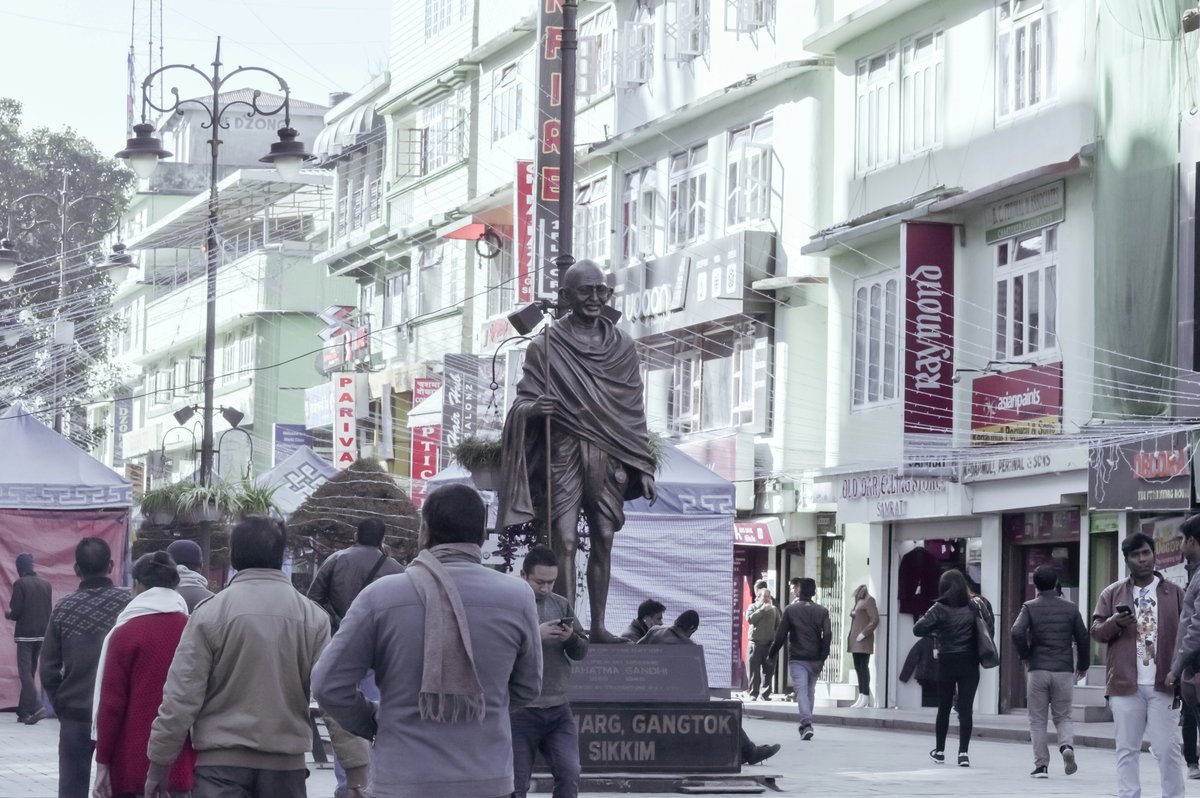
Photo: mg-marg-gangtok.jpgMG Marg, Gangtok
MG Marg, Gangtok

After breakfast, visit Khecheopalri Lake, considered one of the sacred lakes of Sikkim by both Buddhists and Hindus. The lake remains hidden in rich forest, and it is believed that the birds do not permit even a single leaf to float on its surface.

Drive on to Gangtok (about 130 km, 5 hours 30 minutes), visiting the Buddha Park of Ravangla on the way. Also known as Tathagata Tsal, it was built between 2006 and 2013, and features a 130-foot statue of the Buddha as its centrepiece. The statue was consecrated by the Dalai Lama in 2013 to mark the 2,550th birth anniversary of Gautama Buddha.

At an altitude of 1,750 m, Gangtok became the state capital in the mid-19th century. The downtown area is dominated by government buildings decorated with traditional Buddhist symbols. Surrounded by monasteries and orchids, Gangtok is truly a traveller’s delight. In the evening, stroll along MG Marg, the town’s lively pedestrian promenade.

Overnight: GangtokDrive: about 130 km
Day 9

Gangtok – Tsomgo Lake and Rumtek Monastery

Sightseeing by car
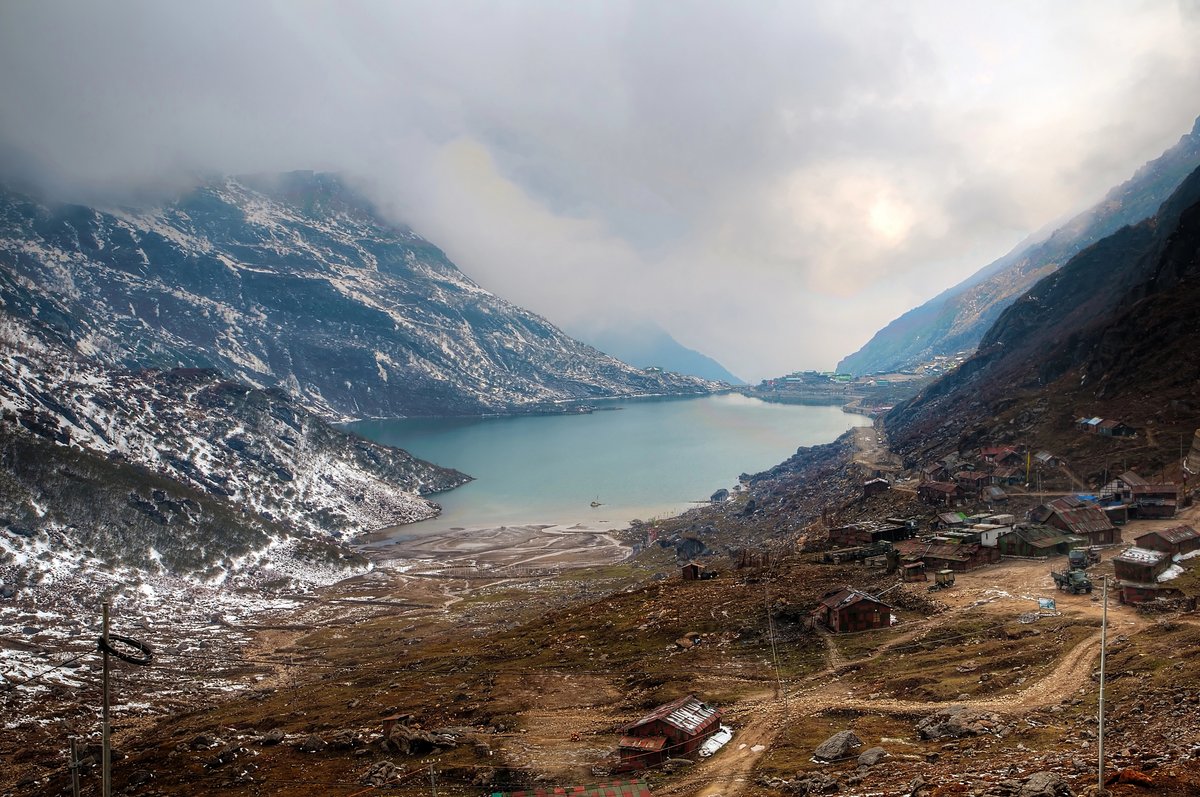
Photo: tsomgo-lake-gangtok.jpgTsomgo Lake, Gangtok
Tsomgo Lake, Gangtok
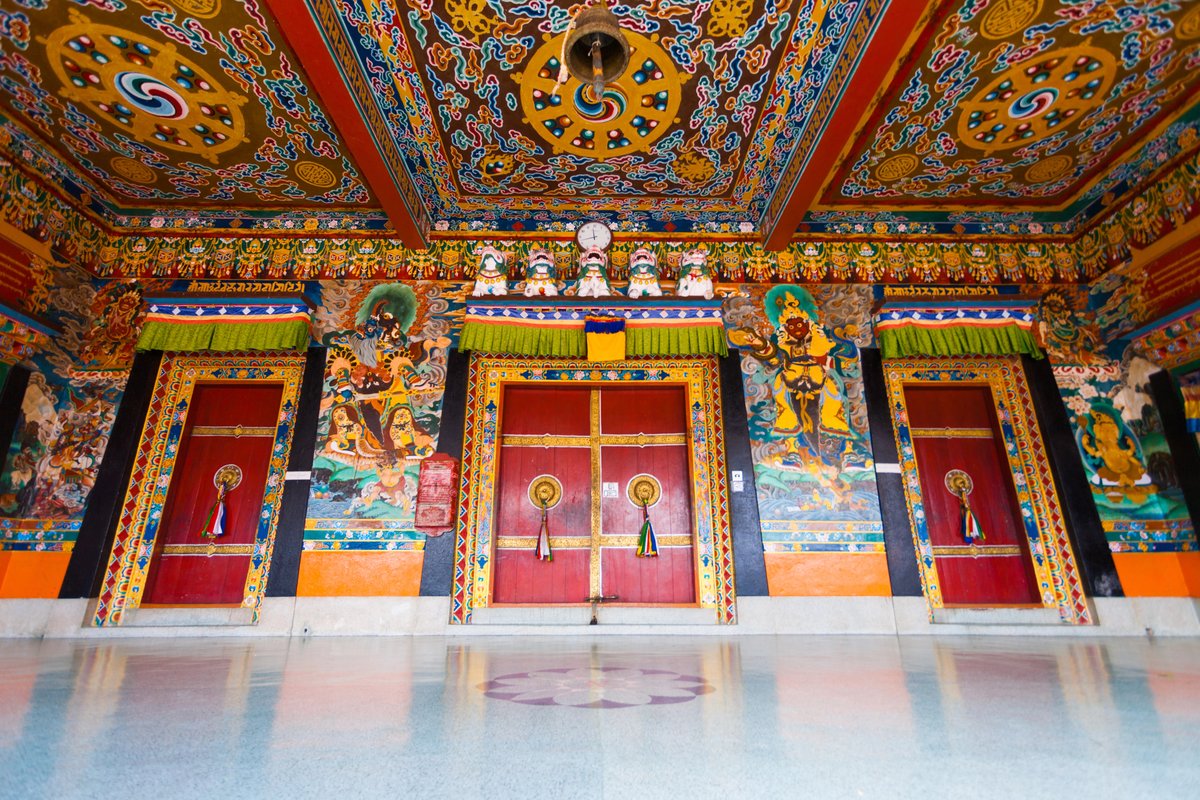
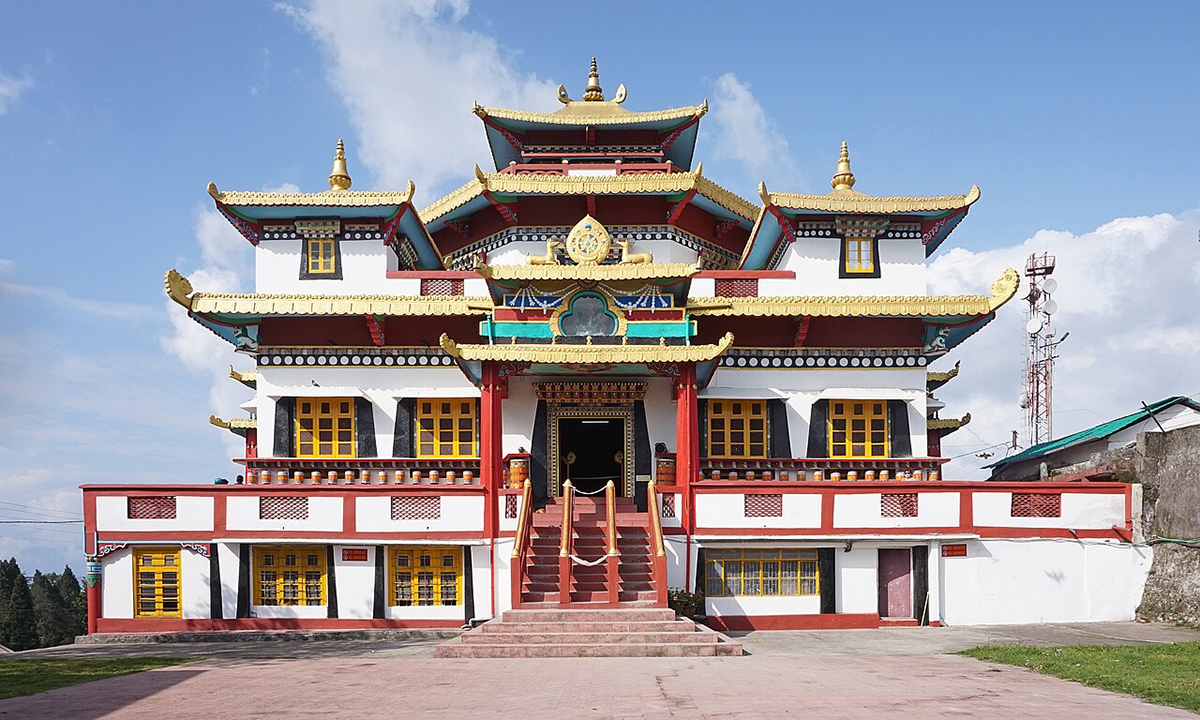
Photo: rumtek-monastery-gangtok.jpgRumtek Monastery, Gangtok
Rumtek Monastery, Gangtok

After breakfast, excursion to Tsomgo Lake (about 35 km, 1 hour 30 minutes each way). At an altitude of 12,400 feet, this beautiful lake freezes over in winter and takes its waters from the melting snows of the surrounding mountains. Legend says that lamas could forecast the future by studying the colour of its waters.

On return, visit the Do Drul Chorten, built to commemorate the victory of good over evil, and the Jhang Chub Chorten, built in memory of Thrukshik Rinpoche. Near the chorten are two giant statues of Lord Buddha and of Guru Padmasambhava, also known as Guru Rimpoche, the patron saint of Sikkim.

Visit the Namgyal Institute of Tibetology. Amid serene surroundings of oak, birch and ash, this unique organisation was established in 1958. Built in traditional style, it promotes research in Mahayana Buddhism and the language and traditions of Tibet, and has one of the world’s largest collections of rare books and manuscripts on Mahayana Buddhism.

Later, drive to Rumtek Monastery (about 24 km, 1 hour), the seat of the Karmapa, head of the Karma Kagyu order of Tibetan Buddhism. After leaving Tibet in 1959, the 16th Karmapa built it as a replica of his monastery at Tsurphu. Its flat-roofed buildings with golden finials hold treasures brought from Tibet, and behind the main prayer hall stands the magnificent golden reliquary stupa of the 16th Karmapa, studded with coral, amber and turquoise. Return to Gangtok in the evening.

Overnight: GangtokIncludes: guide, Tsomgo Lake permit, entrance feesPlease note: the Namgyal Institute of Tibetology is closed on Saturdays, Sundays and government holidays
Day 10

Gangtok to Kalimpong

Travel by car
Photo: durpin-monastery-kalimpong.jpgDurpin Monastery, Kalimpong
Durpin Monastery, Kalimpong
Photo: deolo-hill-kalimpong.jpgKanchenjunga from Deolo Hill, Kalimpong
Kanchenjunga from Deolo Hill, Kalimpong

After breakfast, drive down the Teesta valley to Kalimpong (about 75 km, 3 hours).

Spread along a ridge above the Teesta River, with Kanchenjunga rising beyond, Kalimpong was once part of the Sikkimese and later the Bhutanese kingdoms, before passing to British India in the 1860s. Standing at the head of the old trade route to Tibet, it still keeps the air of a frontier bazaar town, and is quieter and more relaxed than Darjeeling.

In the afternoon, visit Durpin Monastery (Zang Dhok Palri Phodang), on Durpin Hill, consecrated by the Dalai Lama in 1976, with fine murals and mandalas and wide views from its terrace. Drive up to Deolo Hill, the highest point in town, for views of the mountains and the valleys below, passing Dr Graham’s Homes, founded in 1900. Kalimpong is also known for its flower nurseries, and a visit to one of them shows the orchids, cacti and other plants grown here.

Overnight: KalimpongDrive: about 75 km
Day 11

Kalimpong to Kolkata (flight from Bagdogra)

Travel by flight

After breakfast, drive to Bagdogra airport (about 75 km, 2 hours 30 minutes) for your flight to Kolkata. On arrival, you are met and transferred to your hotel. The rest of the day is at leisure.

Overnight: KolkataDrive: about 75 kmIncludes: airport transfers
Day 12

Depart Kolkata

Travel by flight

Transfer to Kolkata airport in time for your flight home, or onward to your next destination in India. Tour ends with happy memories!

Vehicle: airport transfer

What's included

Package includes

  • Meet and assist on arrival and departure transfers at all airports
  • 11 nights in hotels of your chosen category, with daily breakfast
  • Private air-conditioned car with driver for all transfers and sightseeing as per itinerary
  • English-speaking local guides for sightseeing in Kolkata, Darjeeling, Pelling and Gangtok
  • Heritage walk around Dalhousie Square, Kolkata
  • Tram ride, hand-pulled rickshaw ride and river cruise from Dakshineswar to Belur Math, Kolkata
  • Steam toy train joy ride and tea estate visit, Darjeeling
  • Sikkim permit
  • Tsomgo Lake permit
  • Entrance fees to monuments as per itinerary
  • All applicable taxes

Package excludes

  • International airfares and airport taxes
  • Domestic airfares (Kolkata to Bagdogra and back), quoted separately as fares can change at the time of booking
  • India visa fees and travel insurance
  • Lunches, dinners and drinks
  • Camera and video fees at monuments
  • Tips to guides and drivers
  • Personal expenses such as laundry, telephone and shopping
  • Anything not mentioned under “Package includes”

Foreign nationals need a permit to enter Sikkim, which we arrange at the check post on arrival with copies of your passport and visa and two passport photos. Tsomgo Lake is in a restricted area: the permit needs a minimum of 2 foreign travellers and a guide, and we need scanned copies of your documents about 15 working days before travel. The Tsomgo permit cost is non-refundable if the visit cannot go ahead because of weather or road closures. Driving times in the hills are approximate. Itineraries can be adjusted for closing days, your travel dates and special interests.

A private tour, quoted individually for 1 traveller or more.
Tell us your dates and preferred hotels, and we will send a detailed quote, usually within 24 hours.

Get a free quote Tailor this tour

← See all package tours

Visit Us

A-5, Banganga, Deonar,
Mumbai 400 088, India

Follow us on Facebook

“One’s destination is never a place, but a new way of seeing things.” – Henry Miller

© 2002–2026 Insights 2 India® · Privacy Policy · Terms and Conditions
i2i Logo
Back to content