14 Nights / 15 DaysPrivate tour with car & driverUNESCO temples & ruinsCoffee hills & wildlife
A journey through the many faces of Karnataka. Begin in Mumbai with the Gateway of India and the rock-cut caves of Elephanta, then fly to the Deccan to discover the cave temples of Badami, the Chalukya temples of Pattadakal and Aihole, and the extraordinary boulder-strewn ruins of Hampi, the lost capital of Vijayanagara.
Head into the Western Ghats to stay among the coffee estates of Chikmagalur and Coorg, see the Hoysala temples of Belur and Halebid and the golden Buddhas of Namdroling, go on safari at Kabini, and end with the palace of Mysore and the city of Bangalore. Every tour is private and can be tailored to your dates, hotels and interests.
Tour highlights
The Gateway of India, Elephanta Caves and colonial Mumbai
The cave temples of Badami and the temples of Pattadakal and Aihole
A full day among the ruins of Hampi
A coffee plantation tour in Chikmagalur and the temples of Belur and Halebid
Namdroling Monastery and the hills and plantations of Coorg
Jungle and boat safaris at Kabini, in Nagarhole National Park
The Mysore Palace, Srirangapatna and the Hoysala temple of Somnathpur
The gardens, palace and temples of Bangalore
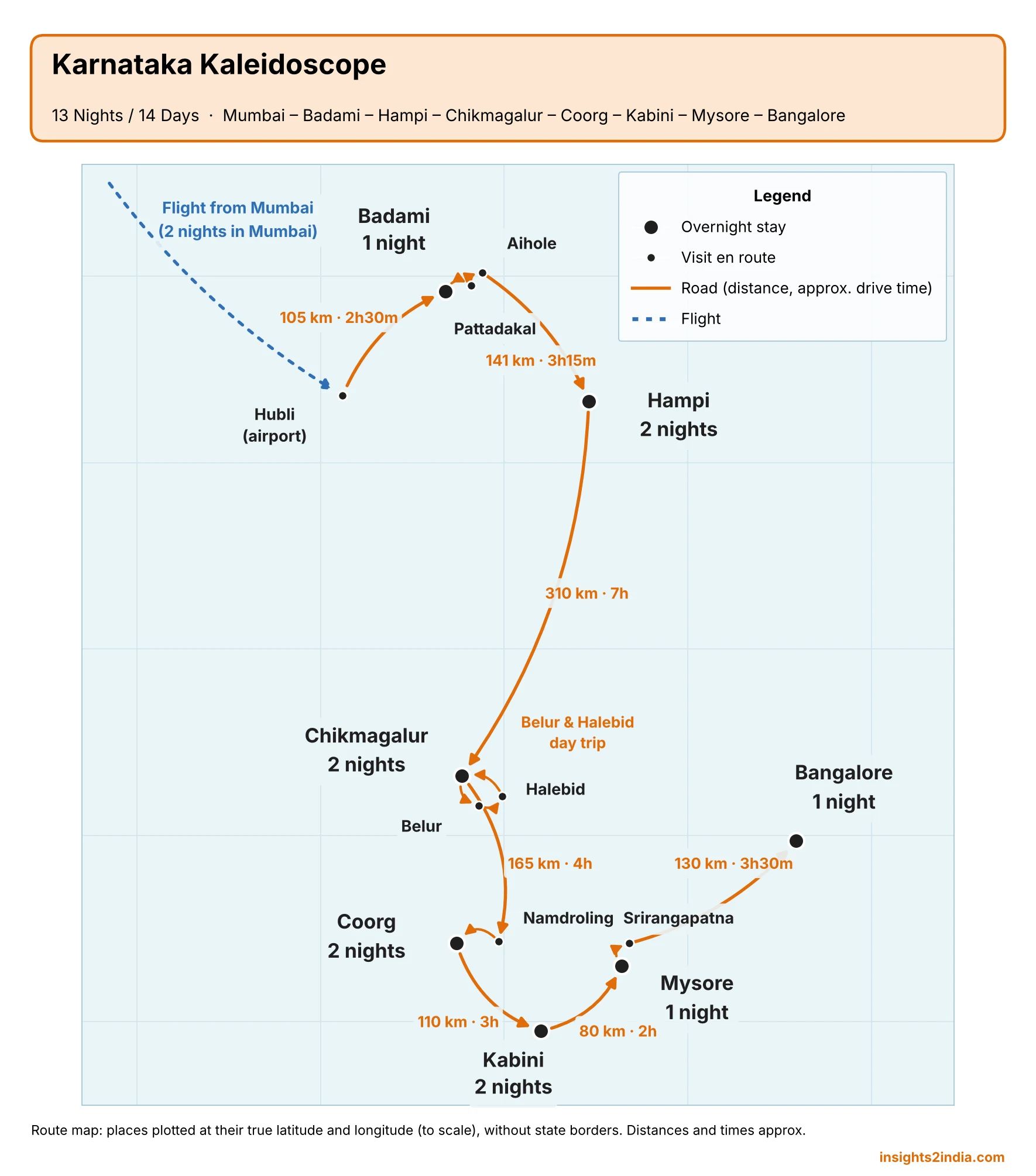
Route Map (click to enlarge)
Day-by-day itinerary
Day 1
Arrive Mumbai
Welcome to India! On arrival at Mumbai airport, our representative meets you and escorts you to your hotel. The rest of the day is free to relax after your journey.
Mumbai is the commercial capital of India, a fast-paced, cosmopolitan city on the shores of the Arabian Sea.
Overnight: MumbaiIncludes: airport transferPlease note: this tour works best arriving on any day except Sunday, so that the Elephanta Caves (closed on Mondays) and Daria Daulat Bagh in Srirangapatna (closed on Fridays) are open on the days we visit; other arrival days can be arranged with small changes
Day 2
Mumbai – Elephanta Caves and city tour
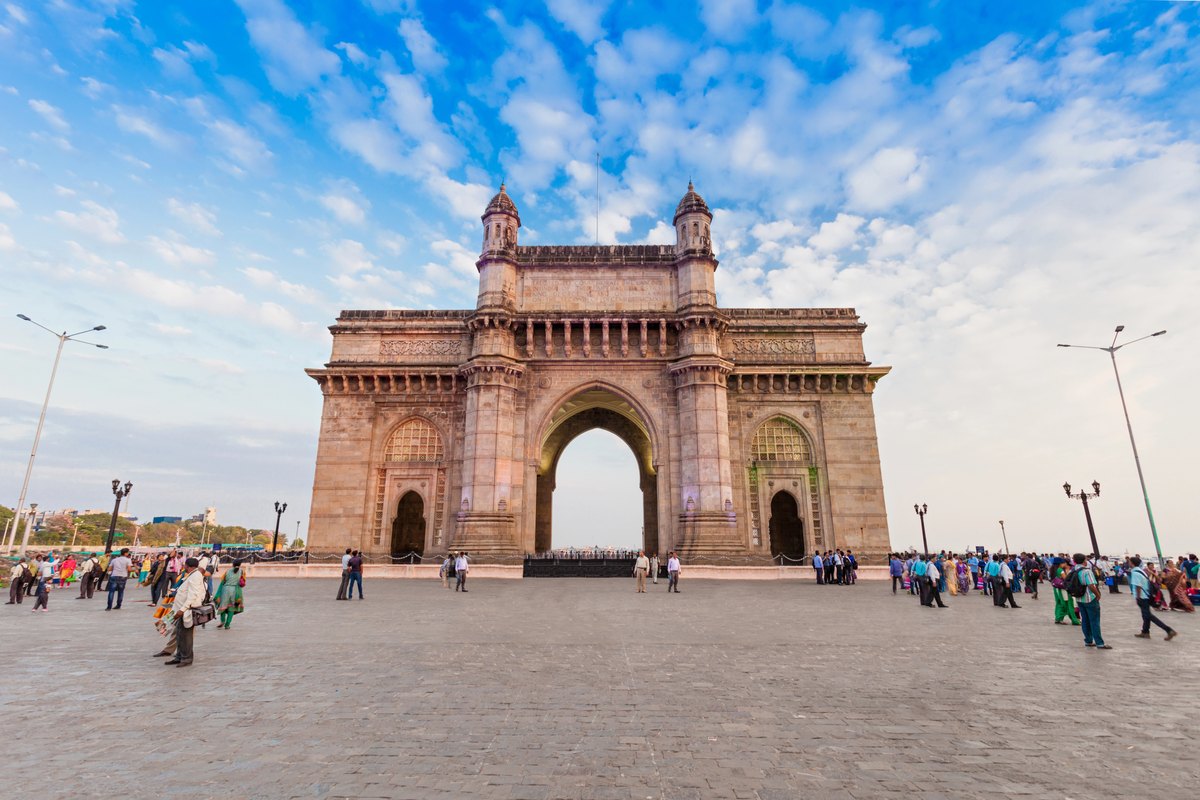
Photo: gateway-of-india-mumbai.jpg
Gateway of India, Mumbai
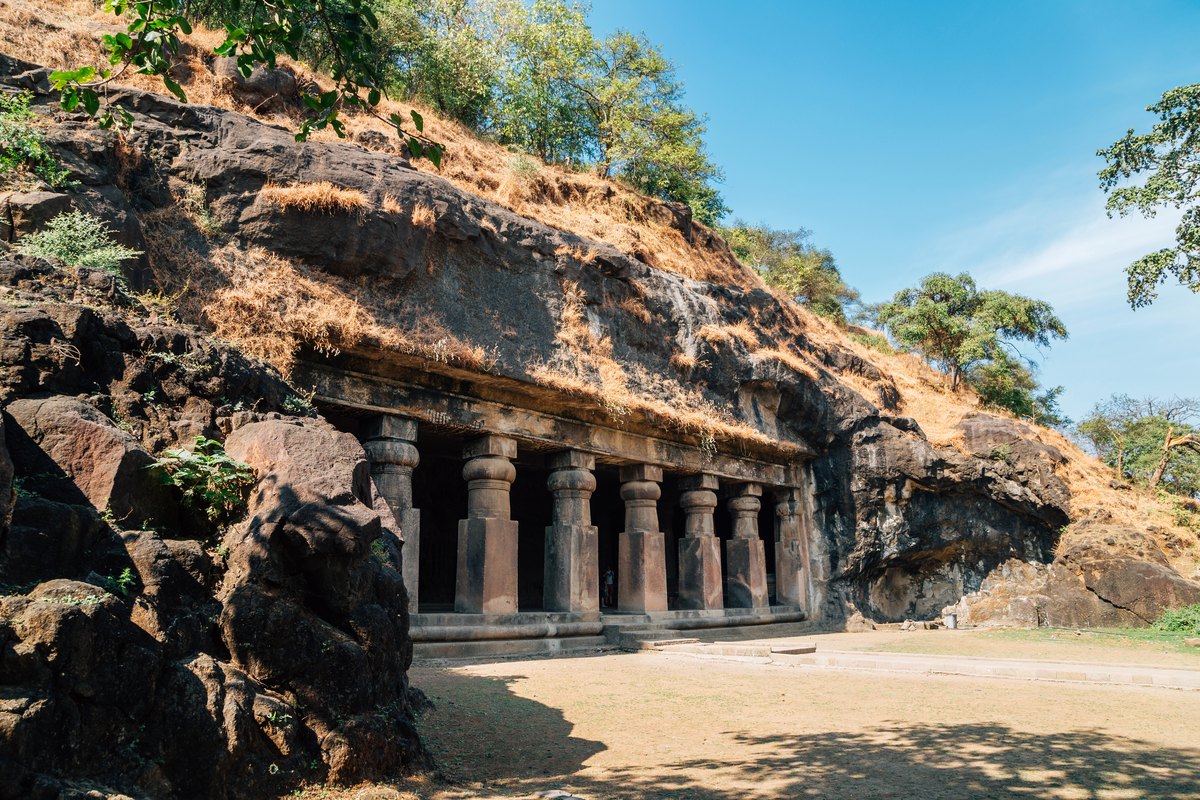
Photo: elephanta-caves-mumbai.jpg
Elephanta Caves, Mumbai
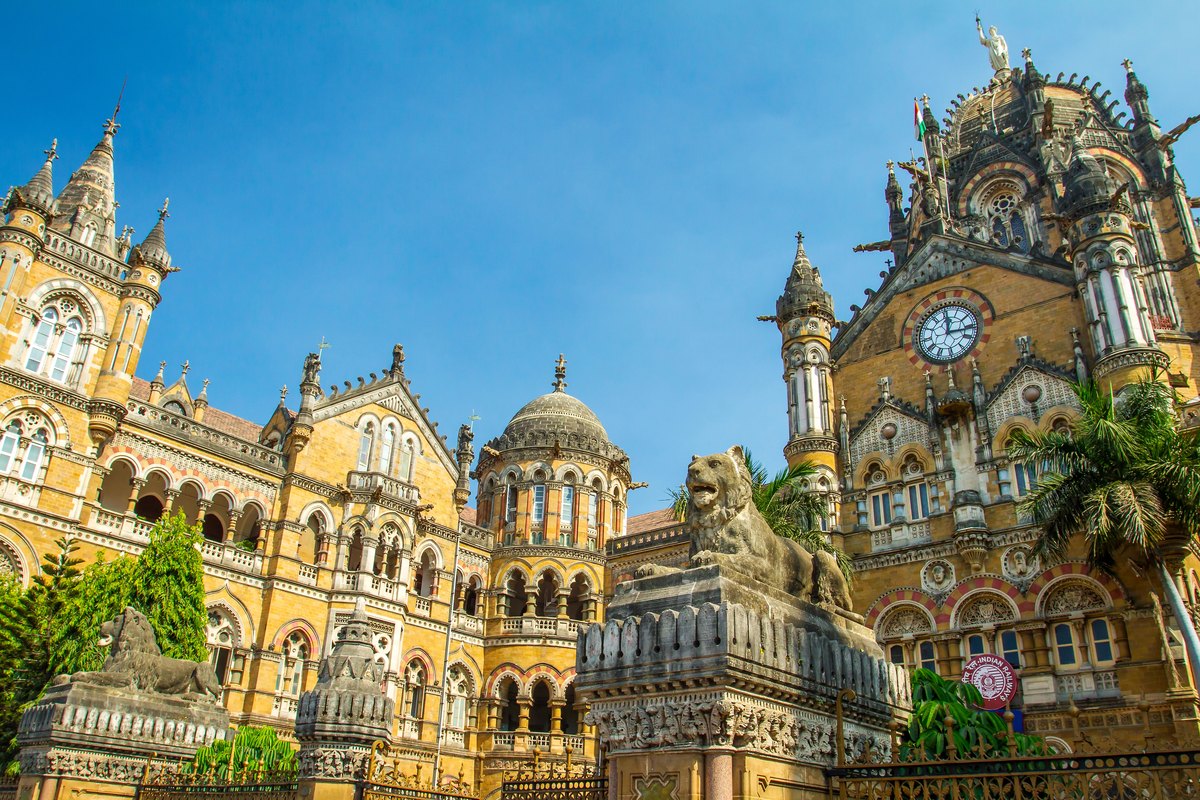
Photo: chhatrapati-shivaji-terminus-mumbai.jpg
Chhatrapati Shivaji Terminus, Mumbai
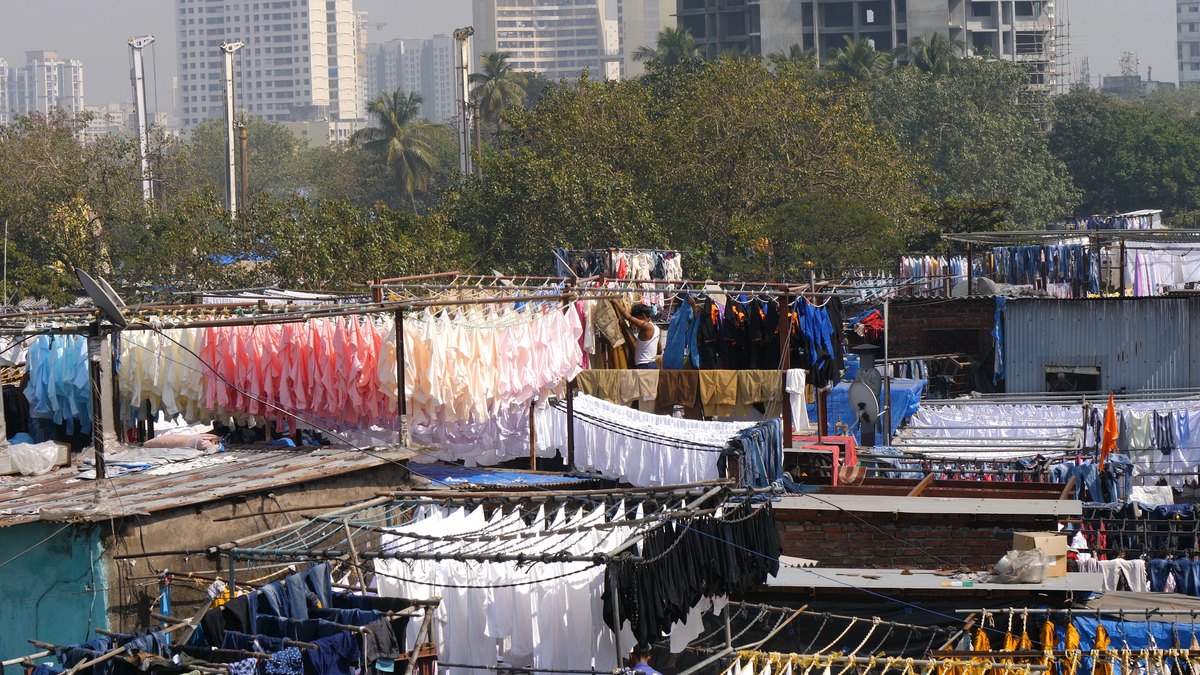
Photo: dhobi-ghat-mumbai.jpg
Dhobi Ghat, Mumbai
Visit the Gateway of India, built to commemorate the visit of King George V and Queen Mary to India in 1911.
Later, visit the Elephanta Caves (about 4 hours), on an island about an hour by boat from the Gateway of India. The temple cave on Elephanta Island, dedicated to Lord Shiva, was probably excavated during the 8th century. A climb of about 125 sloping steps leads to the main entrance. The main hall has pillars in a cruciform pattern, and its wall panels depict Shiva in many forms – as Bhairava, Nataraja, Yogi and Ardhanarisvara, the magnificent triple-headed Shiva, and the marriage of Shiva and Parvati.
In the afternoon, set out on a city tour (3–4 hours). Drive past the High Court, Mumbai University and the Rajabai Clock Tower. Visit the Prince of Wales Museum (Chhatrapati Shivaji Maharaj Vastu Sangrahalaya), which houses a priceless collection of art, sculpture, china and other antiques. Make a photo stop at Victoria Terminus (Chhatrapati Shivaji Terminus), and if traffic permits, a short visit to Crawford Market, designed by British architect William Emerson as an early blend of Victorian Gothic architecture with Indian elements. Drive along Marine Drive, past Chowpatty Beach and Malabar Hill, and visit Mani Bhavan, the old Mumbai home of Mahatma Gandhi, which showcases well-preserved memorabilia, including the charkha (spinning wheel) he used. End with a photo stop at Dhobi Ghat, the city’s vast open-air laundry.
Overnight: MumbaiIncludes: guide, ferry to Elephanta, entrance fees
Day 3
Mumbai to Badami (flight to Hubli)
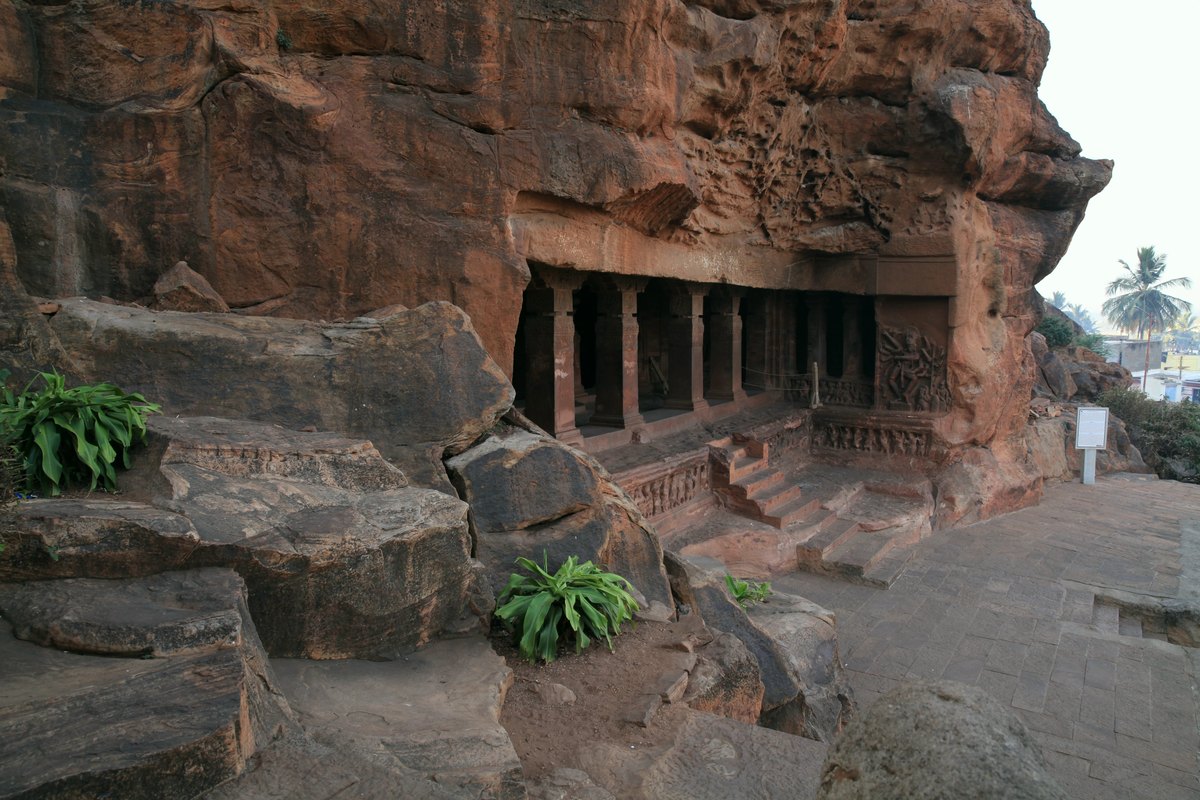
Photo: badami-caves.jpg
Cave Temples, Badami
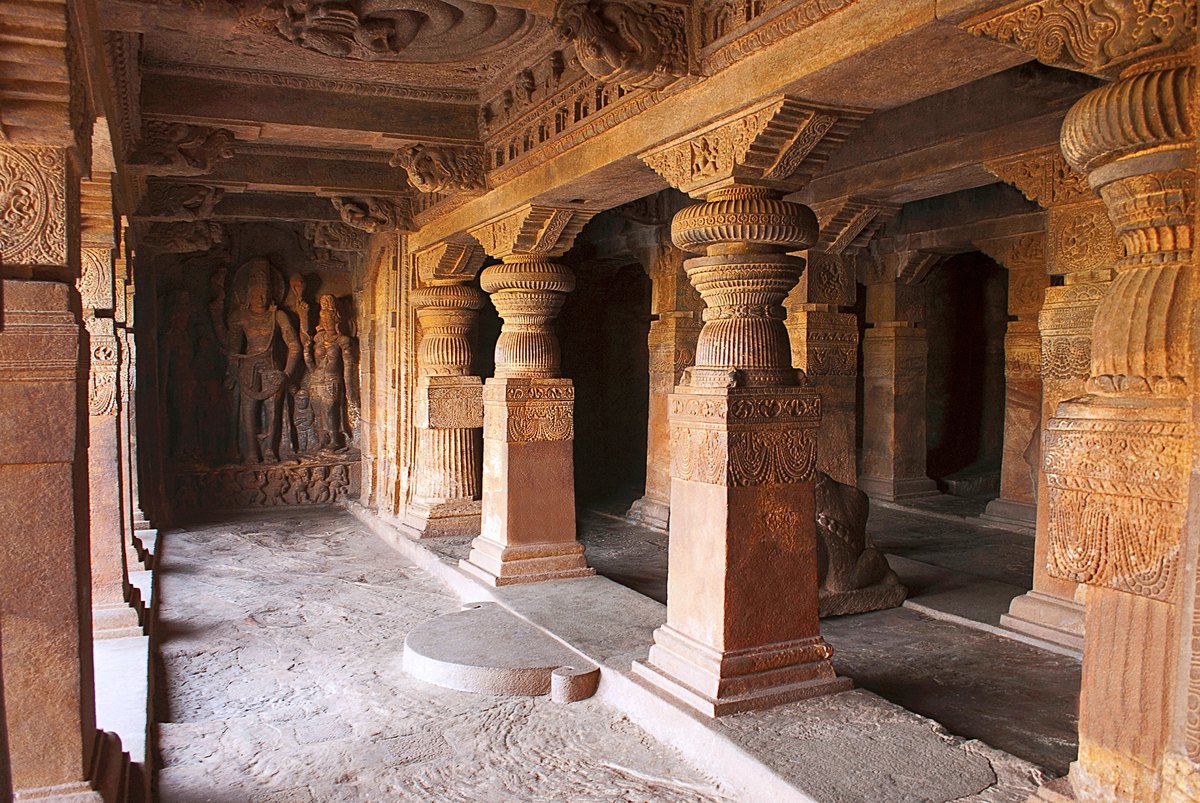
Photo: badami-cave-temple.jpg
Inside a Cave Temple, Badami
Transfer to Mumbai airport for your flight to Hubli. On arrival, you are met and driven to Badami (about 105 km, 2 hours 30 minutes).
This historic town was the capital of the powerful early Chalukya kings, who ruled the Deccan during the 6th and 7th centuries AD. In the afternoon, visit the Badami cave temples, four shrines carved into the red sandstone cliffs above the town, with superb sculptures of Shiva, Vishnu and the Jain tirthankaras. Visit the Bhutanatha Temple, scenically located at the end of the lake and built in several phases; several boulders around it have reliefs of a sleeping Vishnu and a seated Jain figure. The Archaeological Museum, on the north side of the lake, displays a magnificent triangular panel depicting Brahma surrounded by elaborate foliage.
Overnight: BadamiDrive: about 105 kmIncludes: airport transfers, guide, entrance fees
Day 4
Badami to Hampi via Pattadakal and Aihole
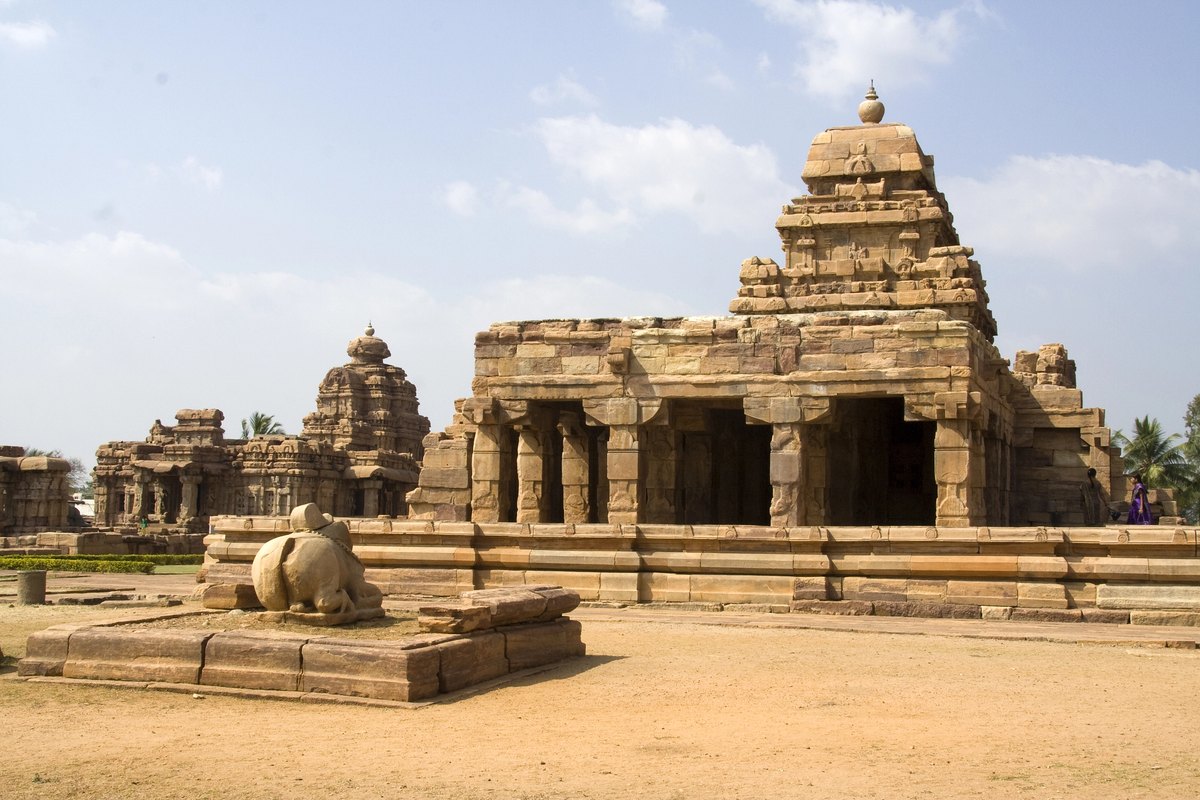
Photo: pattadakal-temples.jpg
Temples, Pattadakal
Photo: durga-temple-aihole.jpg
Durga Temple, Aihole
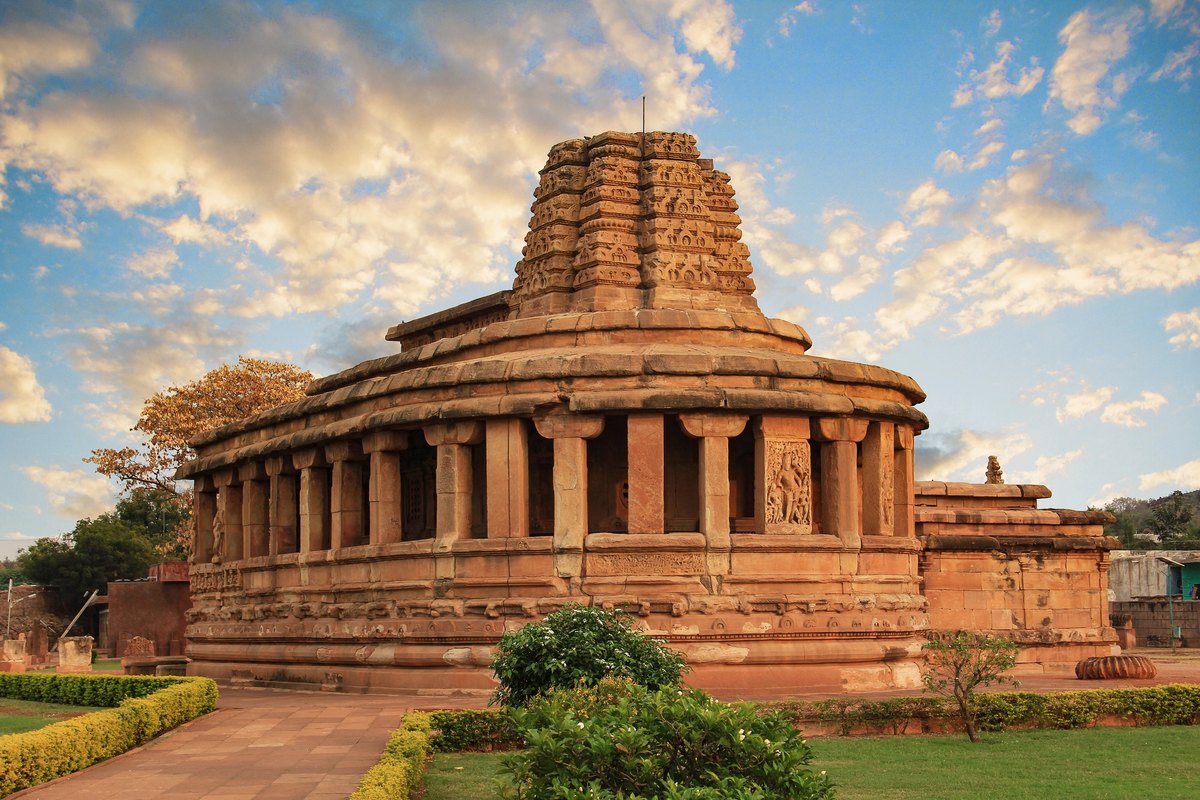
After breakfast, drive to Pattadakal (about 21 km, 30 minutes). This sacred 8th-century complex on the banks of the Malaprabha River reflects the artistic achievements of the Chalukya kings, and is a UNESCO World Heritage Site. The temples are built in a combination of North Indian and South Indian styles. The Sangameshvara Temple, the earliest in the complex, was erected by the Chalukya king Vijayaditya, who died in AD 733 before it was completed. The largest temples are the twin Virupaksha and Mallikarjuna Temples, both dedicated to Shiva and constructed in AD 745.
Continue to Aihole (about 13 km, 30 minutes), the first Chalukyan capital, developed over more than 600 years from the 6th century. There are about 140 temples, half of them within the fort walls. Visit the Durga Temple, elevated on a lofty plinth, and the nearby Ladkhan Temple, recognisable by the tiers of sloping slabs that roof its spacious hall and entrance porch. See the Meguti Temple and the rock-cut Ravala Phadi Cave, dating to the late 6th century, its interior enhanced with splendid carvings of Hindu divinities.
In the afternoon, drive to Hampi (about 141 km, 3 hours 15 minutes) and check in to your hotel.
Overnight: HampiDrive: about 175 kmIncludes: guide, entrance fees
Day 5
Hampi – ruins of Vijayanagara
Photo: stone-chariot-vittala-temple-hampi.jpg
Stone Chariot, Vittala Temple, Hampi
Photo: lotus-mahal-hampi.jpg
Lotus Mahal, Hampi
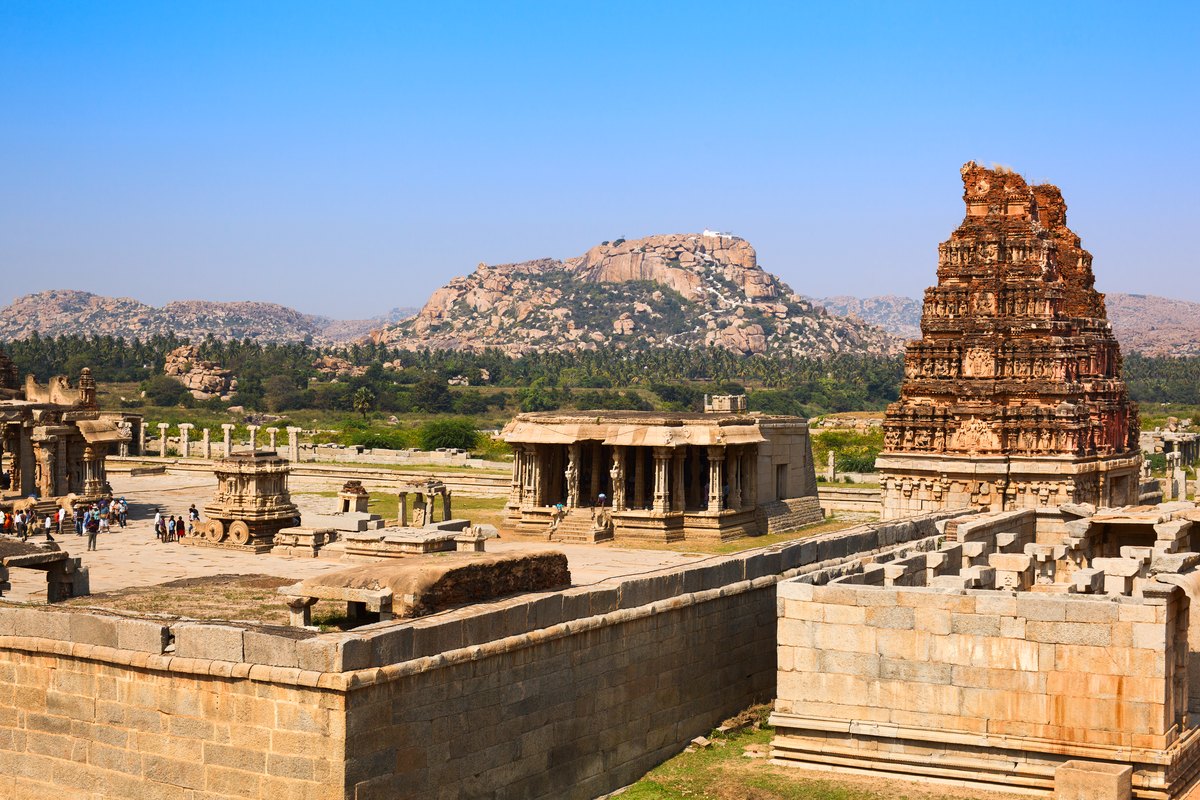
A UNESCO World Heritage Site on the south bank of the Tungabhadra River, Hampi holds the evocative ruins of the 14th-century imperial capital of Vijayanagara, the ‘City of Victory’, from a time when art and architecture flourished. It was the capital of three generations of Hindu rulers for more than 200 years. The site, which comprises the Sacred and Royal Centres, has a superb setting, with rocky ridges and granite boulders acting as natural defences, and ancient canals still running through the valley between them.
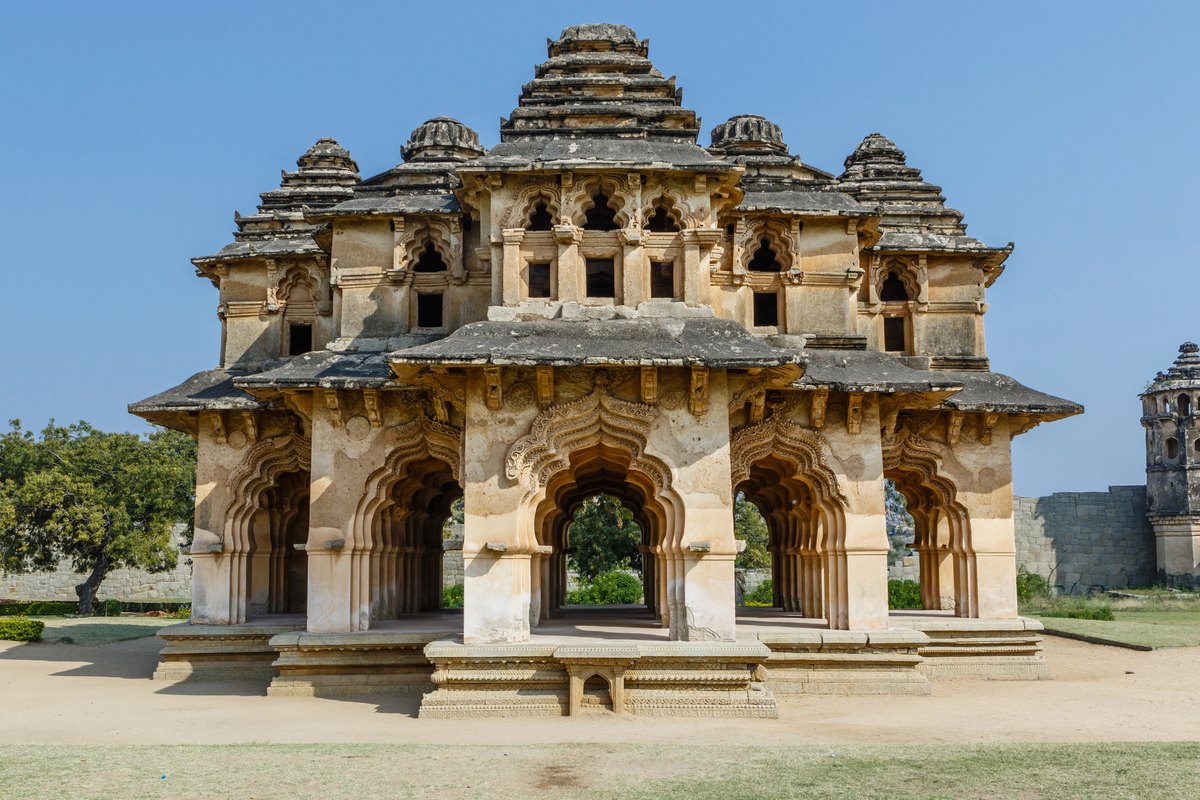
Enjoy a full day of visits. See the Virupaksha Temple and the Market Place with its ancient, roofless stalls, and the Vittala Temple, dedicated to Lord Vishnu, with its famous stone chariot and slender columns that echo with music when struck. Visit the Queen’s Bath, open to the sky and surrounded by a moat, and the Narasimha, Krishna and Hazara Rama temples. Also visit the Elephant Stables, the Step Well and the Lotus Mahal, a skilful blend of Hindu and Islamic architecture.
Overnight: HampiIncludes: guide, entrance fees
Day 6
Hampi to Chikmagalur
After breakfast, drive south across the Deccan plateau to Chikmagalur (about 310 km, 7 hours), climbing into the hills of the Western Ghats in the afternoon. Check in to your hotel among the coffee estates.
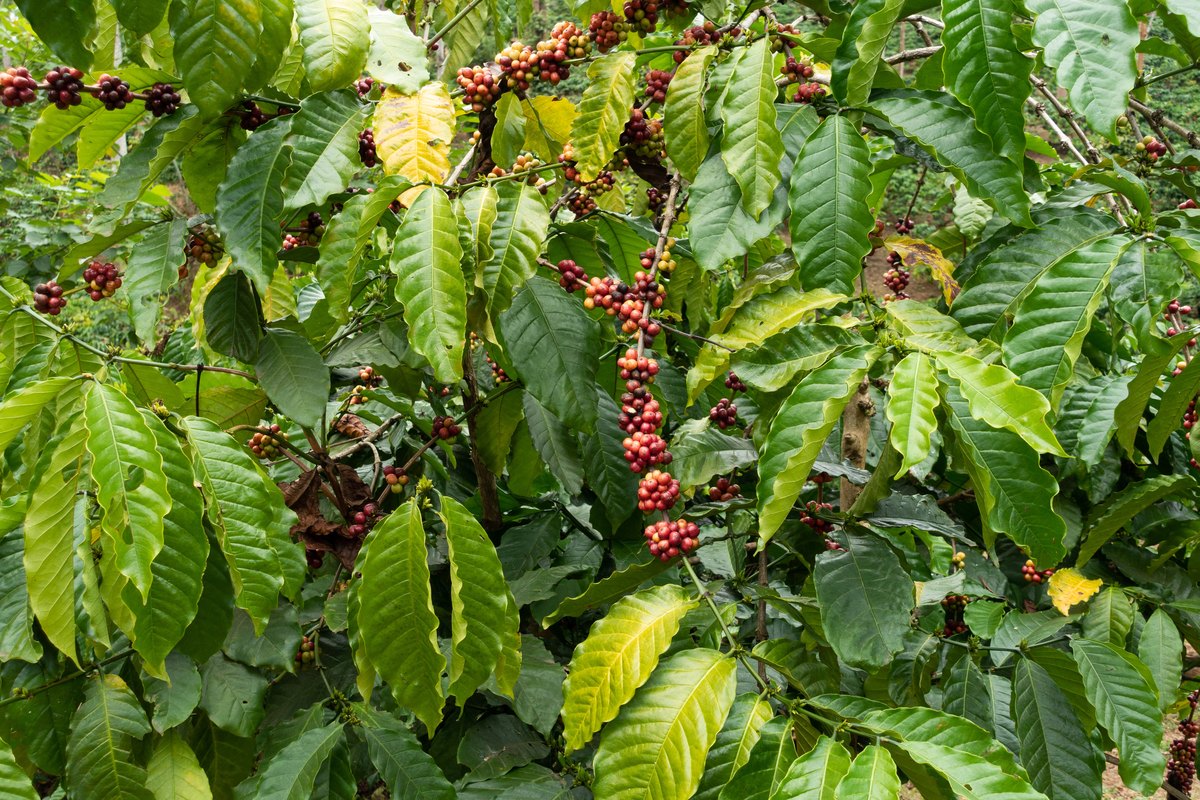
Set in the hills of the Western Ghats, Chikmagalur is the birthplace of coffee in India: legend has it that in the 17th century the Sufi saint Baba Budan brought seven coffee beans back from Yemen and planted them on the hills here.
Overnight: ChikmagalurDrive: about 310 km
Day 7
Chikmagalur – coffee estate, Belur and Halebid
Photo: coffee-plantation-chikmagalur.jpg
Coffee Plantation, Chikmagalur
Photo: chennakeshava-temple-belur.jpg
Chennakeshava Temple, Belur
Photo: hoysaleswara-temple-halebid.jpg
Hoysaleswara Temple, Halebid
In the morning, enjoy a coffee plantation tour and follow the journey of coffee from bean to cup, through the estate and the curing and roasting process, ending with a tasting.
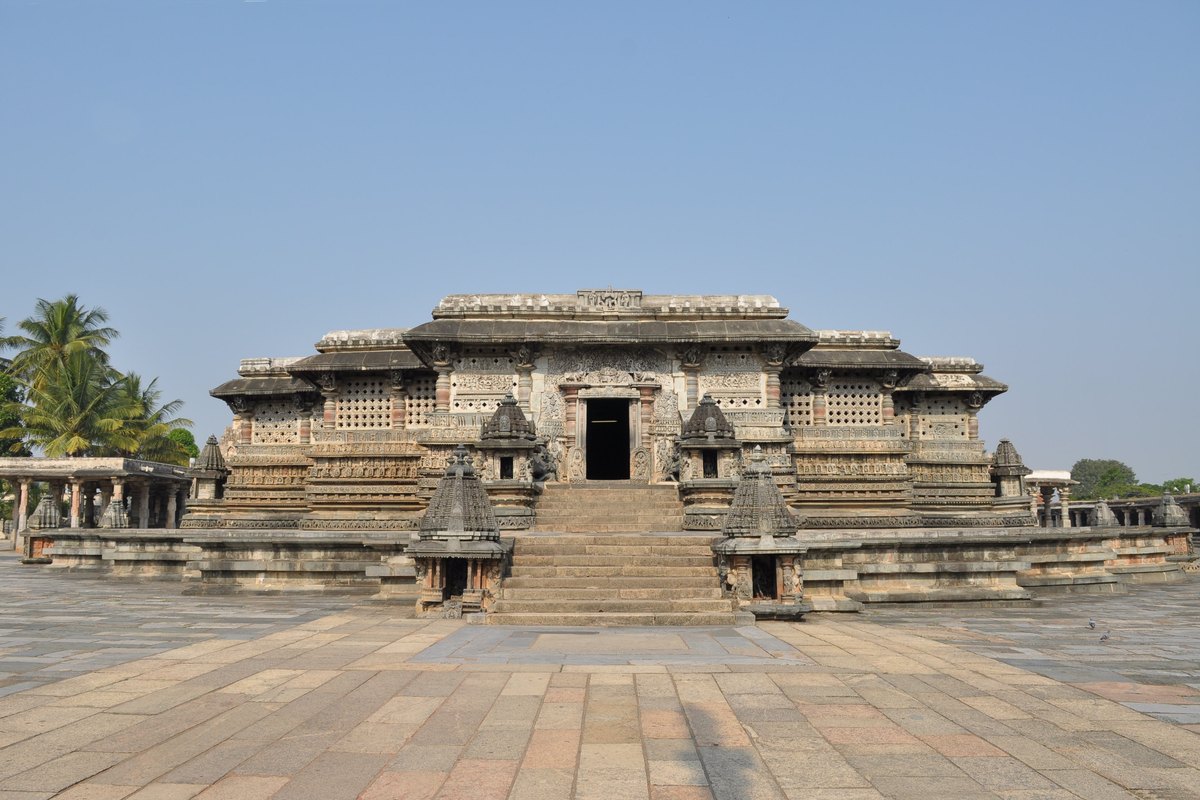
In the afternoon, drive to Belur (about 25 km, 45 minutes), best known for the Chennakeshava Temple, one of the jewels of South Indian architecture. Built in the 12th century by Vishnuvardhana to commemorate the Hoysala triumph over the Cholas, it is remarkable for its sculptures, reliefs and friezes, and took 103 years to complete.
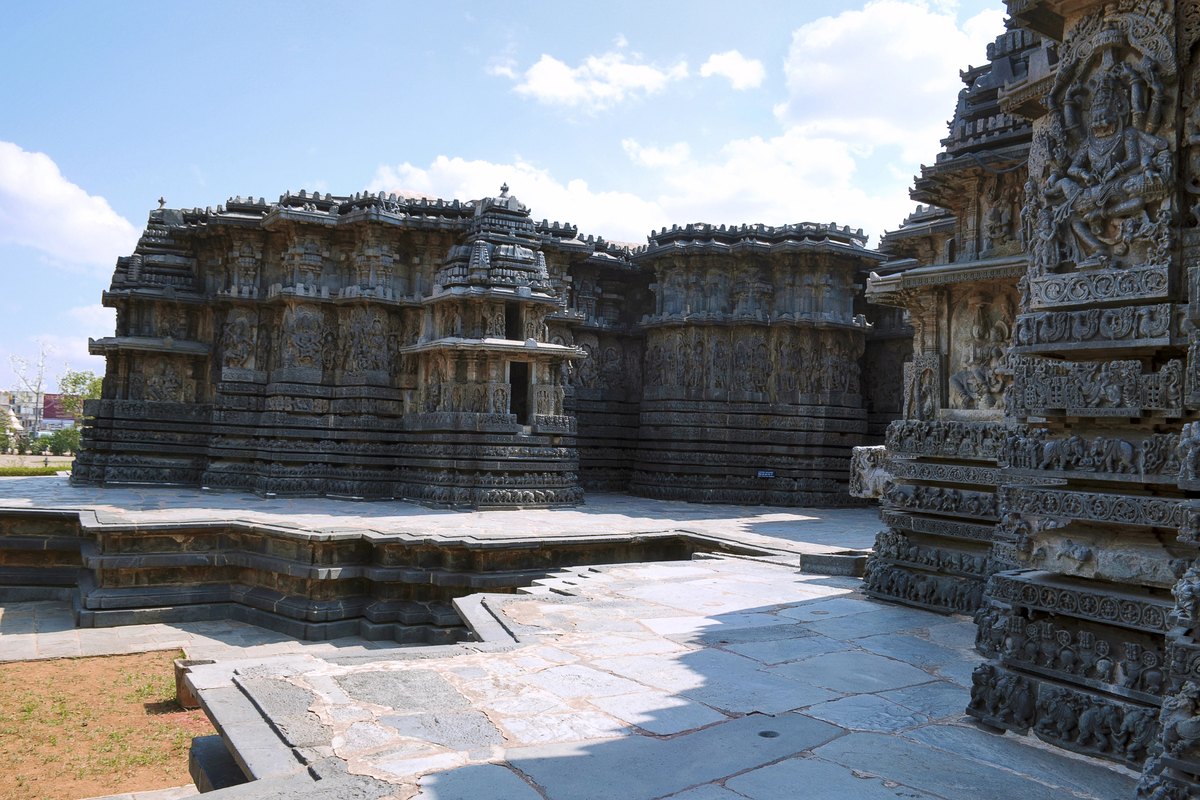
Continue to Halebid (about 17 km, 25 minutes), the Hoysala capital in the 12th and 13th centuries. The main attraction is the Hoysaleshvara Temple, begun in 1121 by King Vishnuvardhana, which is astounding for its wealth of sculptural detail. Its walls are covered with an endless variety of scenes from Hindu mythology, animals, birds and dancing figures, yet no two sculptures are the same.
Return to Chikmagalur (about 33 km, 50 minutes) in the evening.
Overnight: ChikmagalurIncludes: coffee plantation tour, guide in Belur and Halebid, entrance fees
Day 8
Chikmagalur to Coorg via Namdroling Monastery
Photo: namdroling-monastery-coorg.jpg
Namdroling Monastery, Bylakuppe
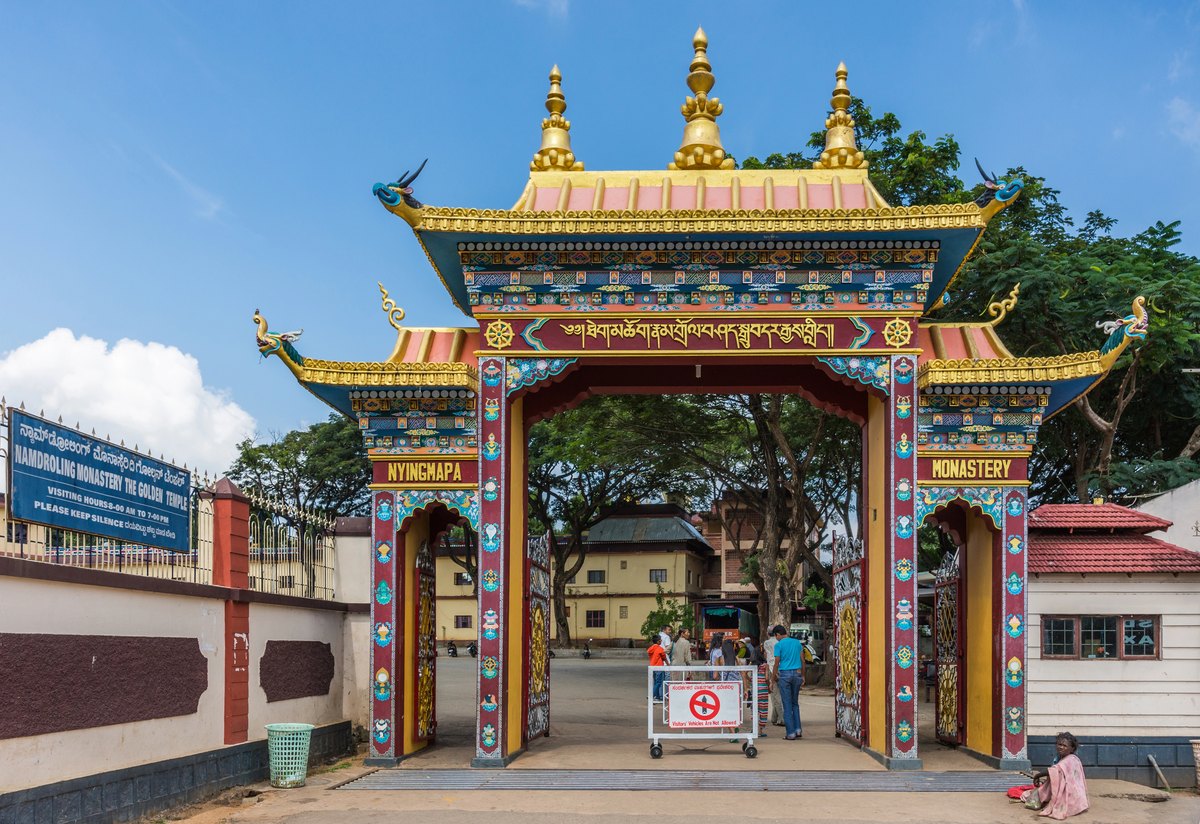
After breakfast, drive to Bylakuppe (about 165 km, 4 hours), the second largest Tibetan settlement outside Tibet, to visit the Namdroling Monastery. Its major attraction is the forty-foot-tall golden Buddha statues. The walls of the temples are decorated with beautiful paintings of characters from Tibetan Buddhist mythology, and the altar with flowers, candles and incense. The serene atmosphere takes you to another world, and the shops around the monastery sell traditional Tibetan crafts.
Thereafter, continue to Coorg (about 41 km, 1 hour 10 minutes). Known as Kodagu, this misty highland of coffee and spice estates, forests and rolling hills is home to the proud Kodava people, famed for their martial traditions and warm hospitality.
Overnight: CoorgDrive: about 205 km
Day 9
Coorg – plantations and Madikeri
Early in the morning, set out on a guided bird-watching walk. Coorg is an ornithologist’s delight, with more than 350 bird species, and the expert naturalists make it entertaining and enlightening for both avid and novice birdwatchers. Later, enjoy a guided walk through a coffee and spice plantation, where pepper vines climb the shade trees above the coffee.
In the afternoon, drive to Madikeri, the main town of Coorg. Visit the Omkareshwara Temple, built in 1820 in a blend of Islamic and Kerala styles, and see Abbey Falls, tumbling through coffee and cardamom estates. End the day at Raja’s Seat, the garden where the kings of Coorg once watched the sunset over the hills and valleys.
Overnight: CoorgIncludes: bird-watching walk, plantation walk
Day 10
Coorg to Kabini
Photo: kabini-boat-safari.jpg
Boat Safari, Kabini
After breakfast, drive to Kabini (about 110 km, 3 hours) and check in to your jungle lodge on the banks of the Kabini River.
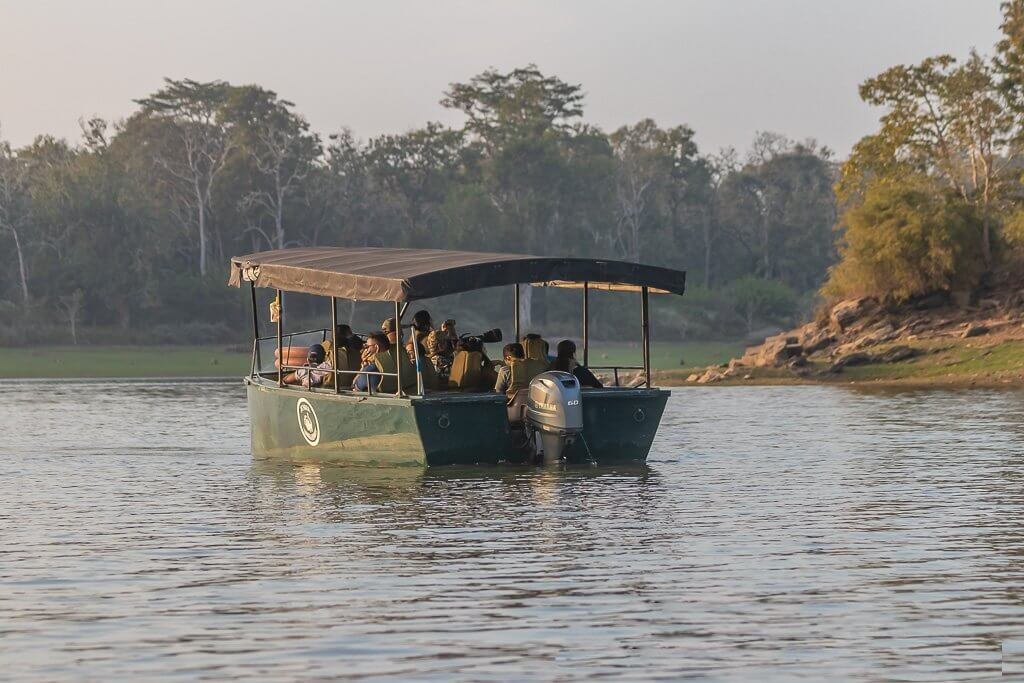
In the evening, enjoy a boat safari on the river, with its fabulous scenery and wildlife along the lush green banks.
Overnight: KabiniDrive: about 110 kmIncludes: boat safari
Day 11
Kabini – Nagarhole safaris
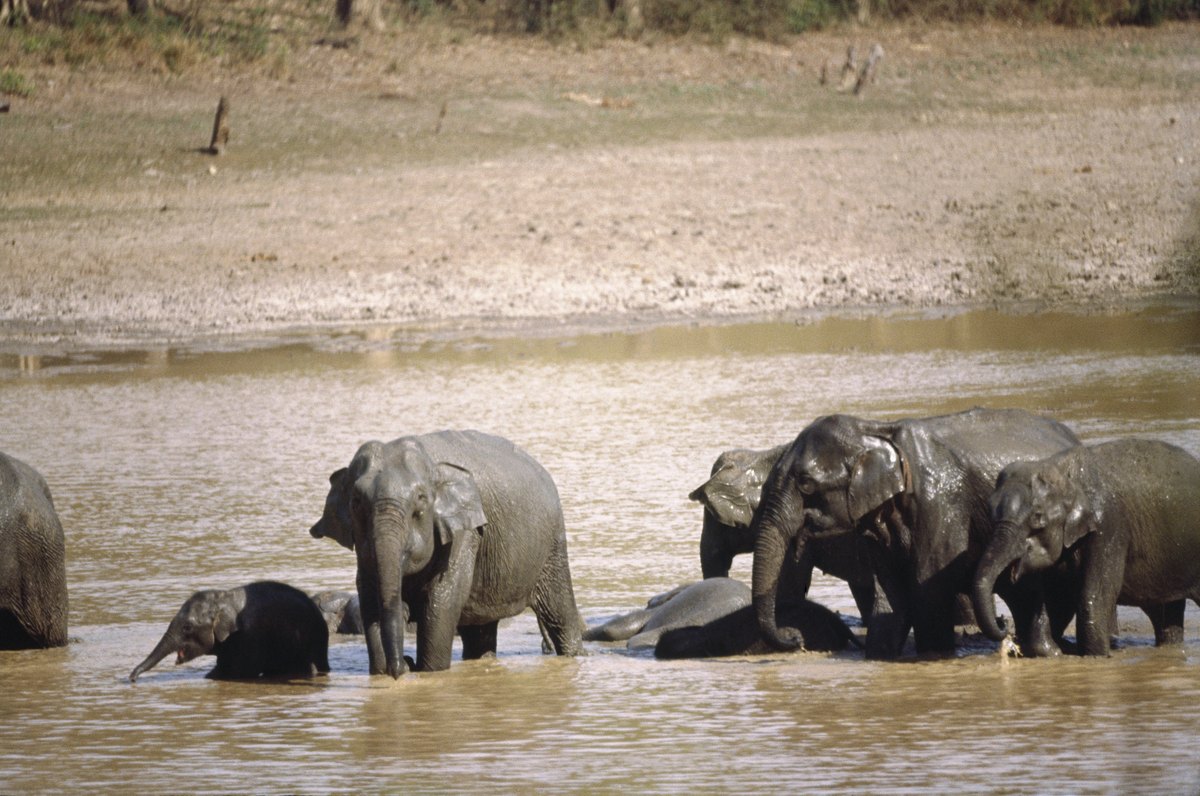
Photo: elephants-kabini-river.jpg
Elephants by the Kabini River
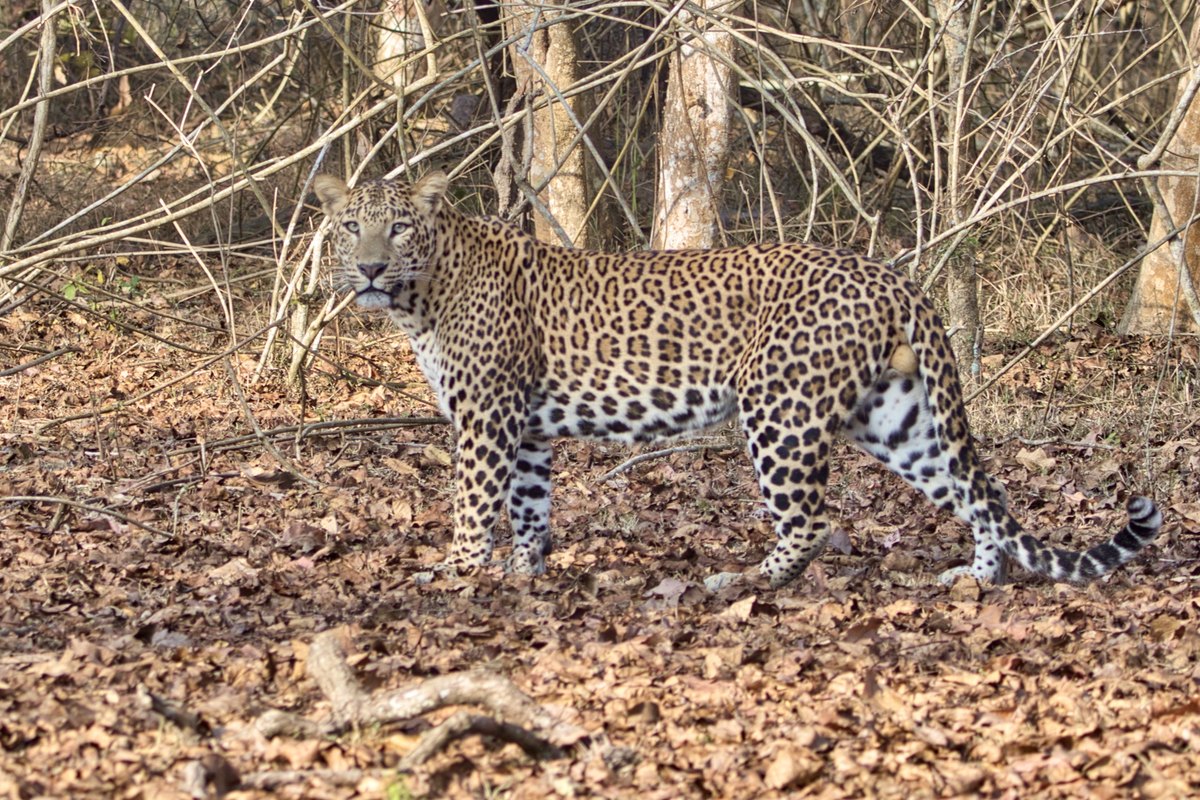
Photo: leopard-nagarhole-kabini.jpg
Leopard, Nagarhole
Nagarhole National Park (Rajiv Gandhi National Park), the hunting retreat of the Mysore Maharajas, is a perfect destination for wildlife lovers in South India. Set out on a morning and an afternoon jungle safari into the heart of the park, where you are sure to spot wild animals in their natural habitat. Popular sightings include elephant, gaur, sambar, chital and wild boar, and the more elusive tiger and leopard.
A bird watcher’s paradise, the park is home to over 300 species of birds, many of them endemic to these jungles. In the dry months, large herds of elephants gather along the backwaters of the Kabini River.
Overnight: KabiniIncludes: jungle safaris
Day 12
Kabini to Mysore
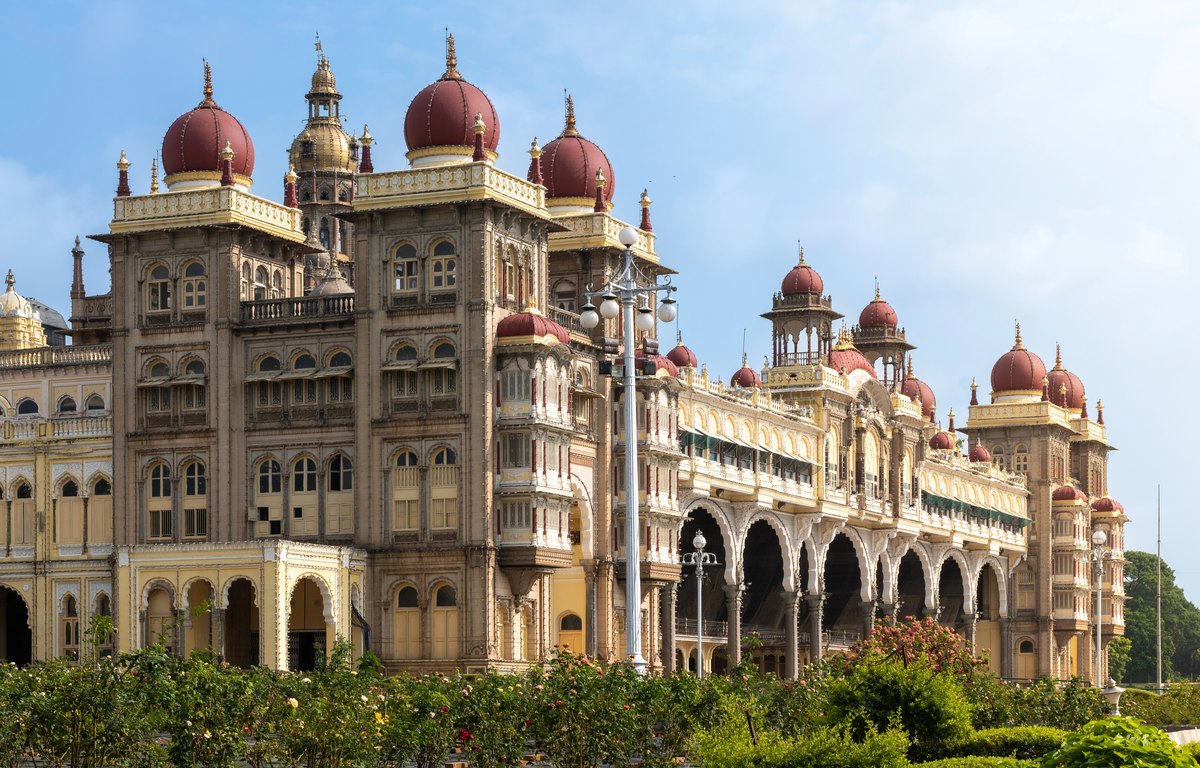
Photo: mysore-palace.jpg
Mysore Palace
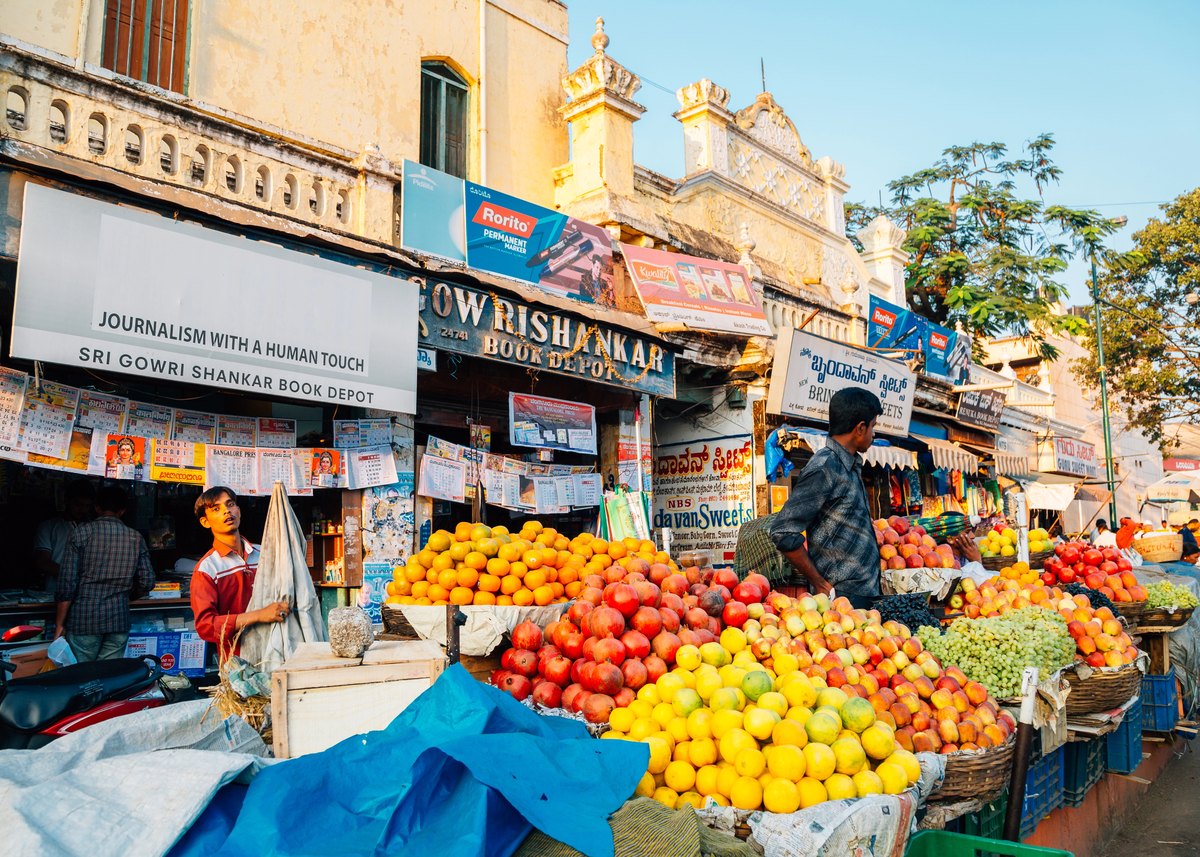
Photo: devaraja-market-mysore.jpg
Devaraja Market, Mysore
After breakfast, drive to Mysore (about 80 km, 2 hours), the former capital of the Wodeyar Maharajas, and check in to your hotel.
In the afternoon, explore the Mysore Palace. Built in the Indo-Saracenic style with domes, turrets, arches and colonnades, the palace is a treasure house of exquisite carvings and works of art from all over the world. Intricately carved doors open on to luxuriously furnished rooms, and the majestic Durbar Hall has an ornate ceiling and many sculpted pillars.
In the evening, stroll through the colourful Devaraja Market, piled high with flowers, fruit, spices and incense. On Sunday evenings and public holidays, the palace is lit up by nearly 100,000 light bulbs.
Overnight: MysoreDrive: about 80 kmIncludes: guide, entrance fees
Day 13
Mysore – Chamundi Hill, Srirangapatna and Somnathpur
Photo: nandi-chamundi-hill-mysore.jpg
Nandi, Chamundi Hill, Mysore
Photo: daria-daulat-bagh-srirangapatna.jpg
Daria Daulat Bagh, Srirangapatna
Photo: keshava-temple-somnathpur.jpg
Keshava Temple, Somnathpur
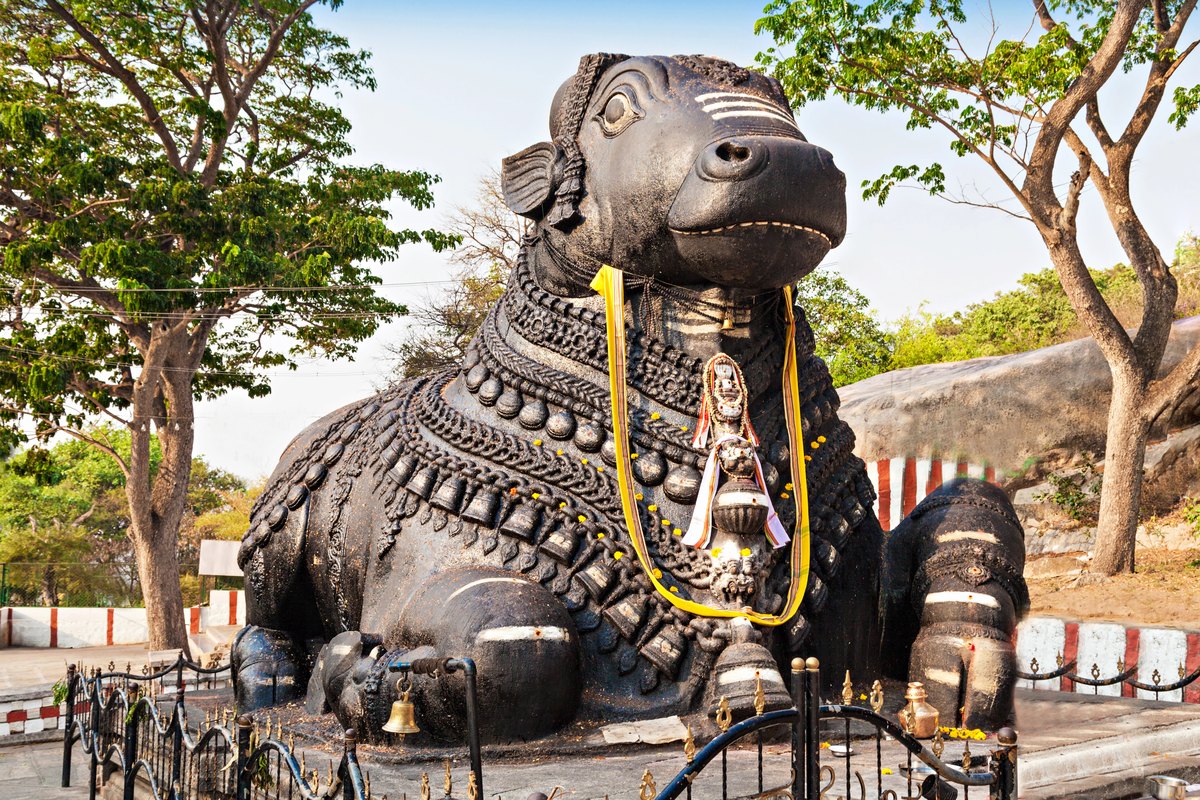
In the morning, drive up Chamundi Hill, crowned by the temple of the goddess Chamundeswari, stopping on the way at the great monolithic Nandi bull, carved out of the rock in the 17th century, with views over the city below.
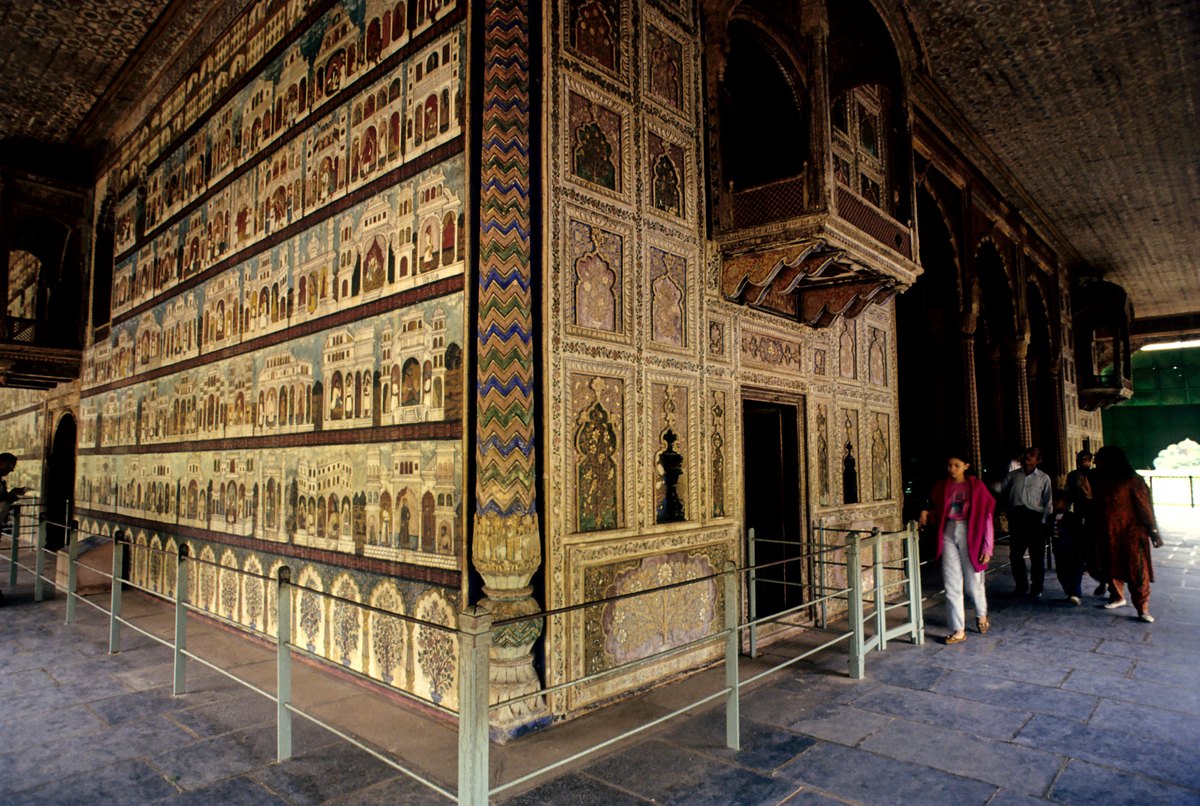
Continue to Srirangapatna (about 15 km, 30 minutes), the island fortress on the Cauvery River that was the capital of Hyder Ali and Tipu Sultan. Visit Daria Daulat Bagh, Tipu Sultan’s summer palace, built in 1784 of teak and set in a formal garden; its walls are covered from floor to ceiling with colourful murals, including scenes of Tipu’s battles against the British. See the Sri Ranganathaswamy Temple, which gives the town its name.
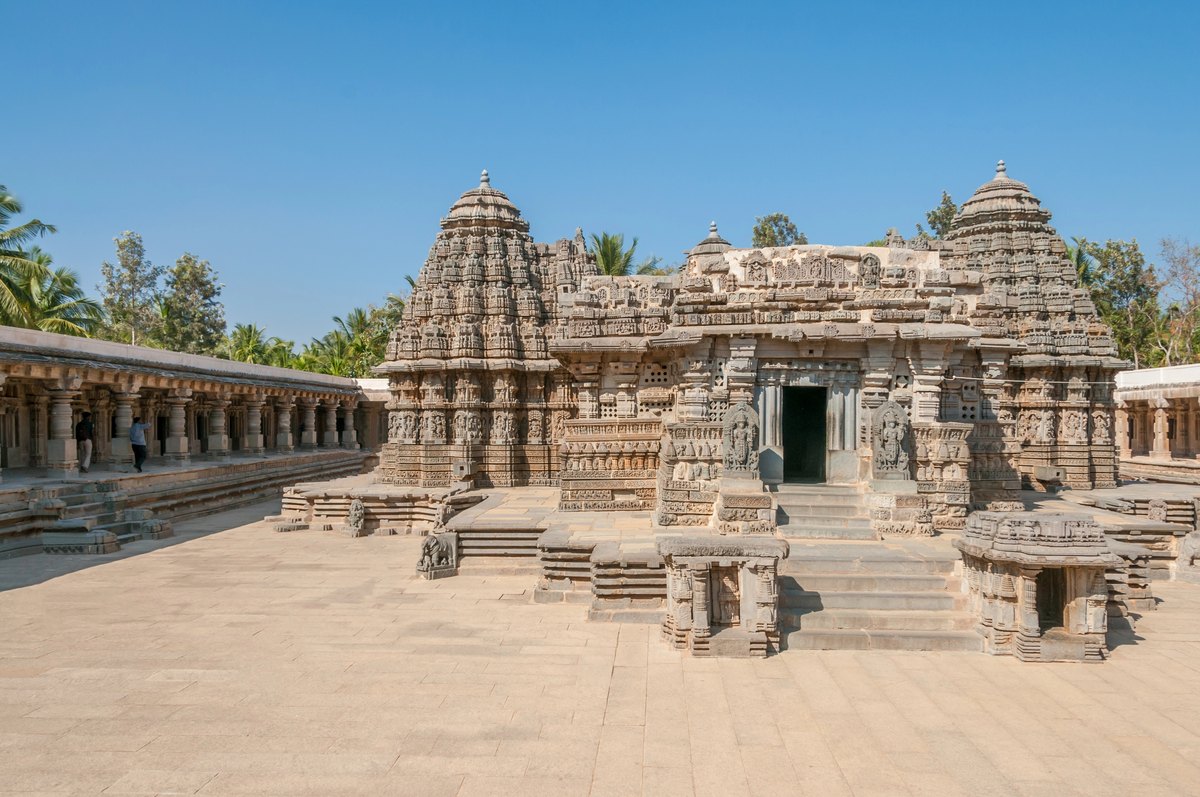
In the afternoon, drive to Somnathpur (about 35 km, 1 hour) to see the Keshava Temple, the most complete of the Hoysala temples. Built in 1268 by Somanatha, a general of the Hoysala king Narasimha III, this star-shaped shrine to Vishnu stands on a raised platform in a cloistered courtyard, with three towered sanctuaries. Its walls are carved with bands of elephants, horsemen and scenes from the epics, in astonishing detail. Return to Mysore (about 38 km, 1 hour) in the evening.
Overnight: MysoreIncludes: guide, entrance fees
Day 14
Mysore to Bangalore – city tour
Photo: vidhana-soudha-bangalore.jpg
Vidhana Soudha, Bangalore
Photo: bull-temple-bangalore.jpg
Bull Temple, Bangalore
Photo: tipu-sultan-summer-palace-bangalore.jpg
Tipu Sultan’s Summer Palace, Bangalore
After breakfast, drive to Bangalore (about 145 km, 3 hours 30 minutes), the capital of Karnataka, a lively, cosmopolitan city known for its pleasant climate, its parks and gardens, and today as India’s technology hub.
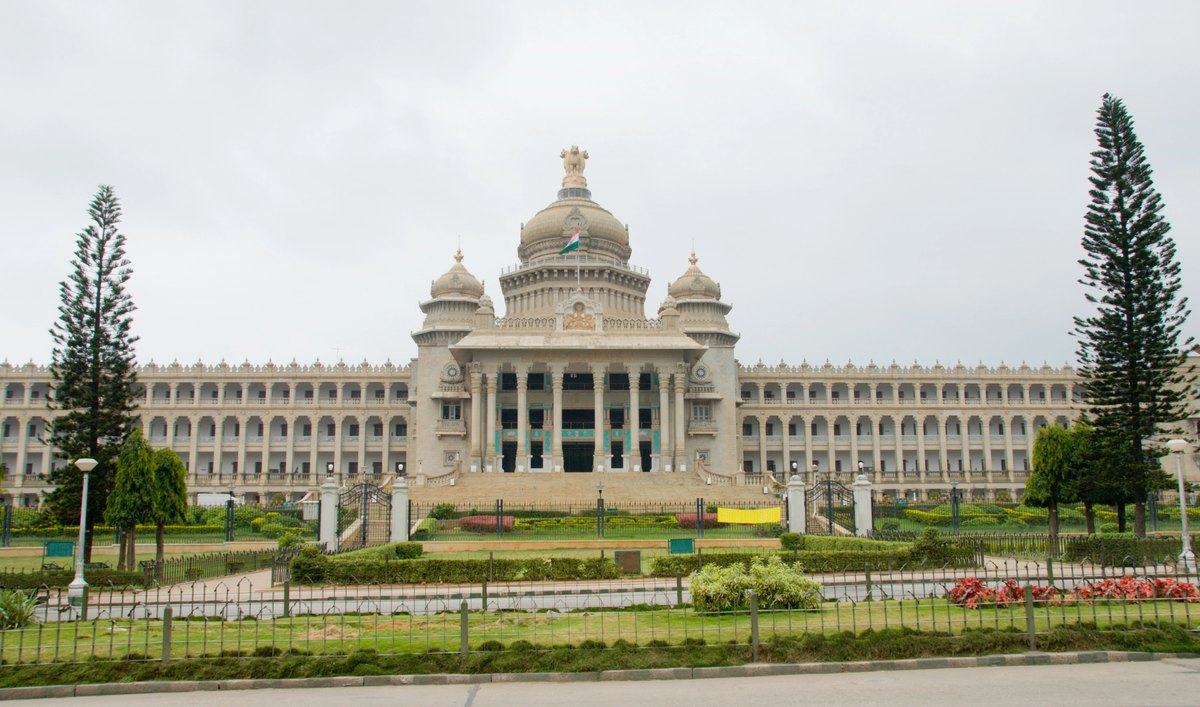
In the afternoon, enjoy a half-day sightseeing tour of Bangalore, also known as ‘The Garden City’. Visit Cubbon Park, the 120-hectare park near the Vidhana Soudha, a lush, grassy expanse of rolling lawns with colourful flowerbeds. See the Vidhana Soudha, one of the most imposing buildings in Bangalore; built in the Neo-Dravidian style, it houses the Legislative Chambers of the state government. Also visit the Lal Bagh Botanical Gardens.
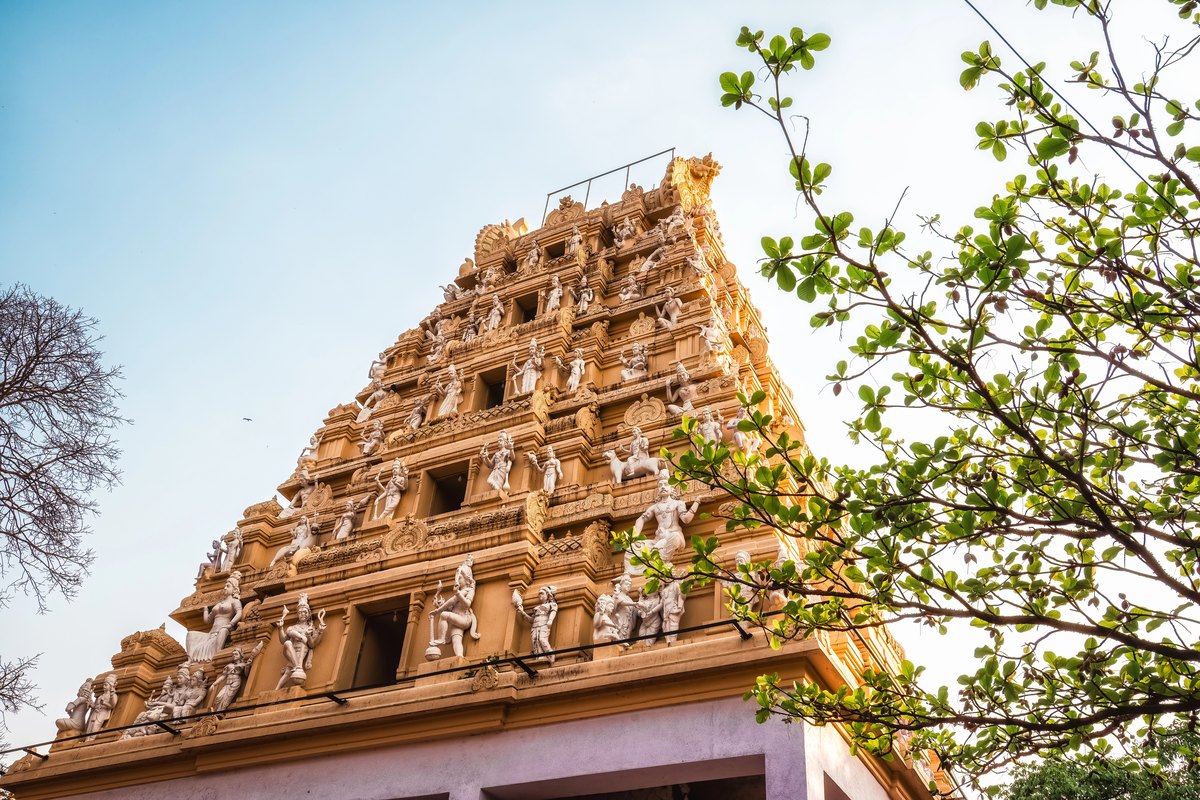
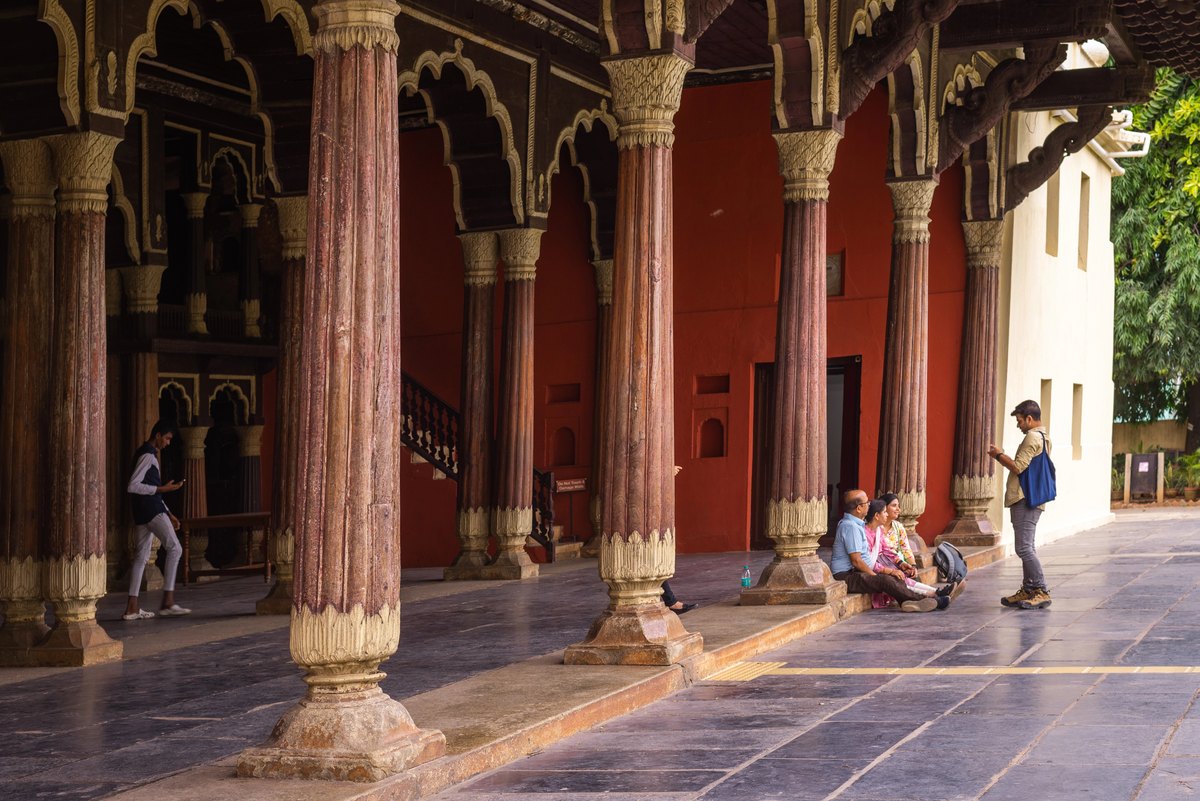
Next, proceed to the famous Bull Temple, dedicated to Nandi Bull. Built in the Dravidian style, the temple houses a huge monolithic idol of Nandi. Conclude your tour with a visit to Tipu Sultan’s Summer Palace, the summer residence of Tipu Sultan, a two-storeyed structure built of teakwood, with decorated pillars, arches and balconies.
Overnight: BangaloreDrive: about 145 kmIncludes: guide, entrance fees
Day 15
Depart Bangalore
Transfer to Bangalore airport (about 40 km, 1 hour 15 minutes) in time for your flight home, or onward to your next destination in India. Tour ends with happy memories!
Vehicle: airport transfer
What's included
Package includes
Meet and assist on arrival and departure transfers at all airports
14 nights in hotels, lodges and resorts of your chosen category, with daily breakfast
Private air-conditioned car with driver for all transfers and sightseeing as per itinerary
English-speaking local guides for sightseeing in Mumbai, Badami, Pattadakal and Aihole, Hampi, Belur and Halebid, Mysore, Srirangapatna, Somnathpur and Bangalore
Ferry to Elephanta Island
Coffee plantation tour in Chikmagalur
Bird-watching walk and plantation walk in Coorg
Boat safari and jungle safaris at Kabini
Entrance fees to monuments as per itinerary
All applicable taxes
Package excludes
International airfares and airport taxes
Domestic airfares (Mumbai to Hubli, and to Mumbai or from Bangalore if needed), quoted separately as fares can change at the time of booking
India visa fees and travel insurance
Lunches, dinners and drinks
Camera and video fees at monuments and national parks
Tips to guides, naturalists and drivers
Personal expenses such as laundry, telephone and shopping
Anything not mentioned under “Package includes”
The Elephanta Caves are closed on Mondays, and Daria Daulat Bagh in Srirangapatna on Fridays. The Elephanta ferry may not run in rough weather during the monsoon. Safaris at Kabini are run at fixed times and seats are limited, so we book them in advance; wildlife sightings cannot be guaranteed. Itineraries can be adjusted for closing days, your travel dates and special interests.
A private tour, quoted individually for 1 traveller or more. Tell us your dates and preferred hotels, and we will send a detailed quote, usually within 24 hours.